
Child Relocation Lawyer Poquoson, VA
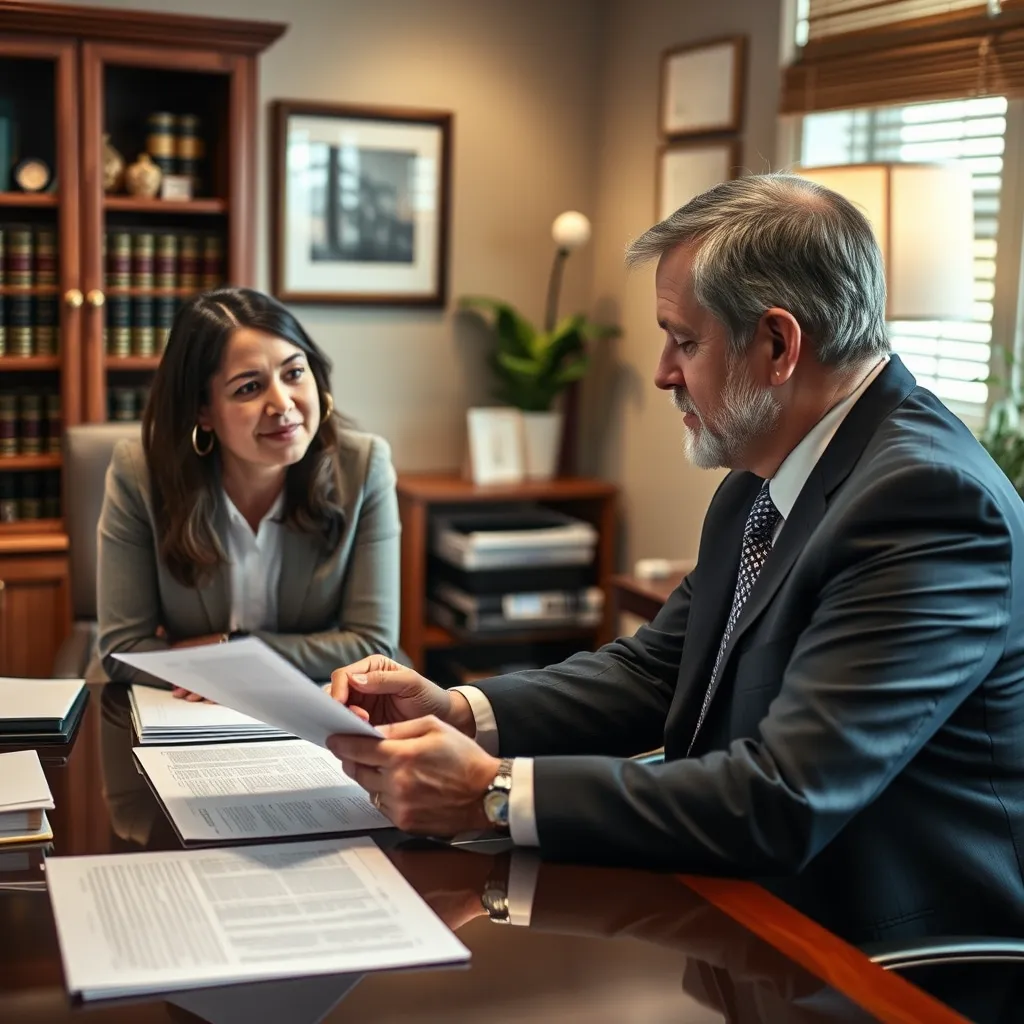
You have a custody order in Poquoson, Virginia, and an opportunity elsewhere — a new job, a family support system, or a fresh start. You give the other parent written notice, as required, but they refuse to consent. Suddenly you’re facing a child relocation dispute that could reshape your child’s life and your own. The Poquoson Juvenile and Domestic Relations Court or Poquoson Circuit Court will decide whether the move is in your child’s best interests. Mr. Sris and his Of Counsel team represent parents on both sides of child relocation matters. For a consultation, contact Law Offices Of SRIS, P.C. at (888) 437-7747. Law Offices Of SRIS, P.C. — Advocacy Without Borders.
Strategy Options in a Poquoson Child Relocation Case
For the relocating parent: Virginia Code § 20-124.5 requires written notice to the other parent and the court before a relocation that may significantly affect the child’s relationship with the non-relocating parent. If the other parent objects, the court holds a hearing to determine whether the move serves the child’s best interests under Va. Code § 20-124.3. Mr. Sris and his Of Counsel help you build a record that demonstrates how the relocation enhances stability, education, health, or economic security while maintaining meaningful contact with the other parent through a revised parenting plan.
For the parent opposing relocation: You may contest the move by showing that relocation would harm the child’s relationship with you, disrupt schooling, or remove the child from a supportive community. The court weighs ten statutory factors, including each parent’s role in the child’s life, the child’s preference if of suitable age, and any history of family abuse. We help you present evidence that reflects the child’s day‑to‑day reality in Poquoson, including ties to schools, friends, extended family, and the Chesapeake Bay community.
What To Expect in Poquoson Courts
Child relocation matters in Poquoson are heard in the Juvenile and Domestic Relations District Court (for custody and visitation) or the Circuit Court (if part of a divorce or equitable distribution case), both located at 500 City Hall Avenue, Poquoson, VA 23662. The process typically begins with the relocating parent’s notice. If the opposing parent files an objection, the court sets a hearing. Both sides may present witnesses, exhibits, and arguments about the move’s impact. The court may appoint a Guardian ad Litem to represent the child’s interests. The timeline depends on the court’s calendar and the complexity of the issues, but prompt legal guidance helps ensure you meet all procedural deadlines.
Consequences of a Relocation Ruling — A Narrative Overview
A court that authorizes relocation will modify the existing custody and visitation order to reflect the new geography, potentially requiring virtual visitation, longer but less frequent in‑person parenting time, and adjusted holiday schedules. If relocation is denied, the parent who wished to move must choose between staying in the Poquoson area or ceding primary custody to the other parent. Because a relocation ruling permanently alters the family structure, the court carefully weighs each factor under Virginia’s best‑interests standard. Mr. Sris and his Of Counsel help you present the factual record that anchors the court’s analysis — from employment documentation to school enrollment details — so the court can issue a decision grounded in the child’s welfare.
Why Parents Turn to Mr. Sris and His Of Counsel Team
Mr. Sris, Owner and Founder of Law Offices Of SRIS, P.C., is a former prosecutor who has practiced since 1997. He is admitted in Virginia, Maryland, the District of Columbia, New Jersey, and New York. His background in the courtroom — evaluating evidence, cross‑examining witnesses, and arguing legal standards — translates directly to family law disputes where the court’s fact‑finding depends on a clear presentation. Mr. Sris testified before the Virginia House Courts of Justice Committee in support of 2019 HB 635 (chief patron Del. David Bulova).
Mr. Sris works alongside experienced Of Counsel attorneys who bring over 120 years of combined legal experience and over 4,739 documented firm-wide results. Results may vary. The team handles child relocation matters for parents in Poquoson, across the 8th Judicial District, and throughout Virginia. No two family situations are identical, and the approach is tailored to your child’s specific needs, your reasons for moving (or opposing a move), and the other parent’s position.
Common Questions About Child Relocation in Poquoson, Virginia
Do I have to notify the other parent before moving with my child?
Yes. Under Virginia Code § 20-124.5, a parent who intends to relocate with the child must provide written notice to the other parent and the court if the move would materially affect the child’s relationship with the non‑relocating parent. The notice must be given a reasonable time before the planned move. Failing to provide proper notice can lead to court sanctions and complicate your custody case.
For guidance on your specific situation, reach Law Offices Of SRIS, P.C. at (888) 437-7747.
What factors does the Poquoson court consider when deciding a relocation?
The court evaluates whether relocation serves the child’s best interests by applying the ten factors in Va. Code § 20-124.3. These include the child’s age and needs, the relationship with each parent, each parent’s willingness to support the child’s relationship with the other, any history of abuse, and the child’s own preference if of suitable age and intelligence. The court also considers practical effects of the move — schooling, community connections, and the feasibility of a long‑distance parenting plan.
Can I oppose my child’s relocation if I’m the non‑custodial parent?
Yes. Even if you are not the primary physical custodian, you have standing to object to a relocation that would impair your court‑ordered visitation. Mr. Sris and his Of Counsel can help you file a motion objecting to the relocation, present evidence of your involvement in the child’s life, and argue that the move is not in the child’s best interests. The court will weigh your objections under the statutory factors before making a decision.
What if the other parent has already moved with the child without court approval?
If a parent relocates the child without providing notice or obtaining court permission, you may petition the Poquoson court for an emergency hearing to address the violation. The court can order the child’s return and may modify custody based on the wrongful removal. Prompt action is important because delay can affect your legal position. Contact our firm as soon as you learn of an unauthorized move.
Will the court require a Guardian ad Litem for my child?
In contested relocation cases, the judge may appoint a Guardian ad Litem to investigate the child’s circumstances and make a recommendation to the court. The Guardian ad Litem speaks with the child, parents, teachers, and other involved adults before presenting findings. A Guardian ad Litem’s report can influence the court’s decision, but it is not binding — the judge makes the final ruling on relocation.
How can I prepare for a relocation hearing in Poquoson?
Gather documentation that supports your position — correspondence with the other parent about the move, evidence of your reasons for relocating (such as a job offer or lease), your child’s school records, and any relevant communication. Mr. Sris and his Of Counsel will review your materials, discuss what evidence is most persuasive under Virginia law, and prepare you for the hearing. To schedule a consultation, call (888) 437-7747.
Is mediation required before a relocation hearing?
Virginia law does not mandate mediation in all relocation cases, but courts often encourage parents to try mediation before a hearing. A neutral mediator can help parents reach an agreement about a revised parenting plan that allows the move while preserving the other parent’s relationship with the child. If mediation is unsuccessful, the case proceeds to a contested hearing.
For a consultation, reach Mr. Sris and his Of Counsel at (888) 437-7747.
Richmond Location — By appointment.
7400 Beaufont Springs Drive, Suite 300, Room 395, Richmond, VA 23225
(804) 201-9009
Virginia Code Title 20 (Domestic Relations) · Poquoson Combined Courts · Virginia’s Judicial System
Attorney advertising. Prior results do not guarantee a similar outcome. Results may vary.
Case results depend on a variety of factors unique to each case.