
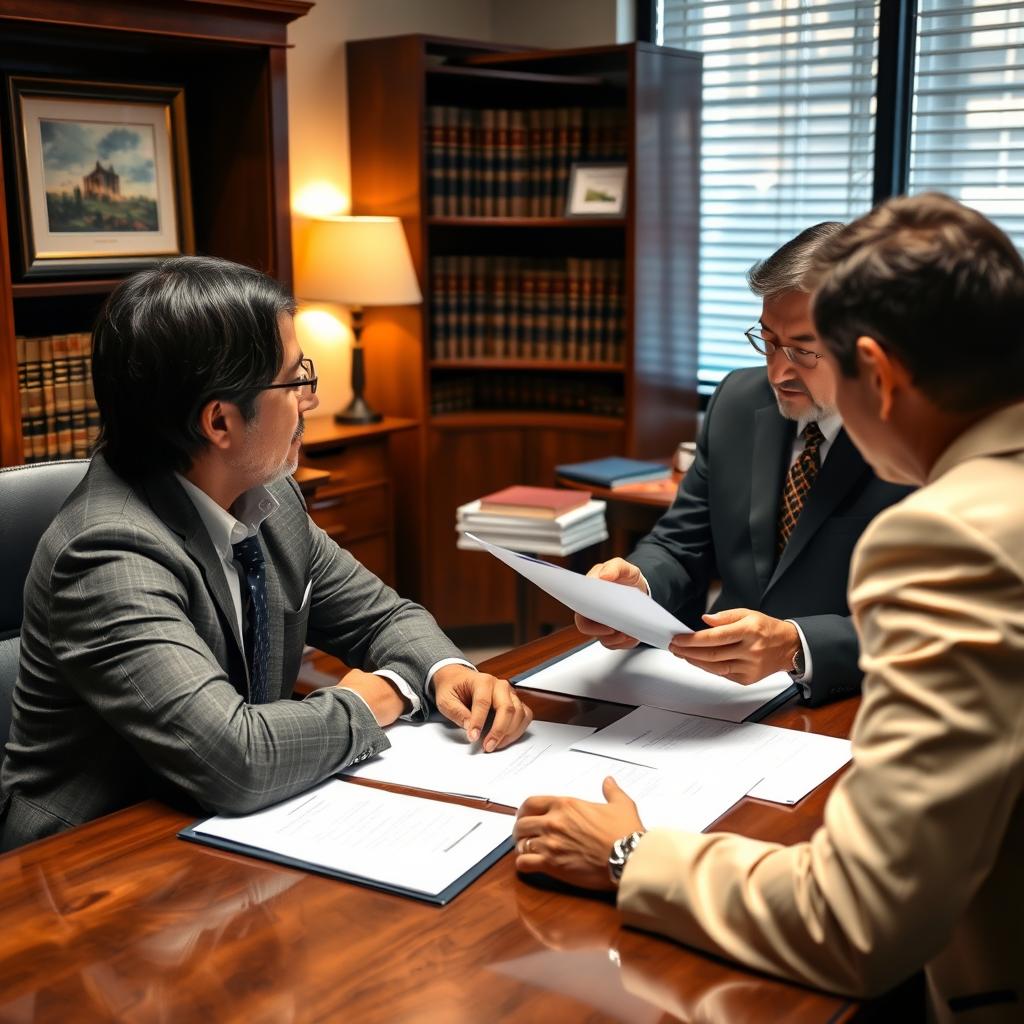
Bringing in and Harboring Aliens lawyer York County, VA
The knock came early on a Tuesday morning. Two agents from Homeland Security Investigations stood on the front porch of a Yorktown home. They asked for the owner by name and explained they were investigating a matter involving the sheltering of a distant relative who had overstayed a visa. The York County resident had simply been helping family—offering a spare bedroom and a hot meal—but now faced questions about bringing in and harboring aliens under federal law. That moment, that conversation, is when everything changes. A federal investigation has begun, and what you say next can shape the entire case. Law Offices Of SRIS, P.C. — Advocacy Without Borders.
Federal prosecutors in the Eastern District of Virginia move fast. An indictment under federal law can carry severe consequences, and the pressure of a potential trial in the U.S. District Court is immense. At Law Offices Of SRIS, P.C., Mr. Sris and his Of Counsel team represent individuals in York County and across Virginia who are under investigation or have been charged with bringing in and harboring aliens. We focus on protecting your rights from the very first contact. Call (888) 437-7747 to request a confidential consultation.
What Federal Bringing in and Harboring Aliens Means in York County
A charge under federal law can arise from many situations—giving a ride to a friend, allowing a relative to stay in your spare room, or employing someone you know is not authorized to work in the United States. The statute encompasses both bringing a noncitizen into the country and harboring, transporting, or encouraging a noncitizen to remain after illegal entry. Federal prosecutors in the Eastern District of Virginia actively pursue these cases, and because federal sentencing guidelines apply, a conviction can result in substantial prison time. Perhaps more importantly, there is no parole in the federal system—any sentence served will be for the majority of the term imposed.
York County cases are investigated by agencies such as ICE, HSI, and the FBI. Once an indictment is returned, the matter proceeds in the U.S. District Court for the Eastern District of Virginia, often in the Richmond or Newport News division. The procedural path includes initial appearance, detention hearing, discovery, motions practice, and potentially a jury trial. Mr. Sris, a former prosecutor with decades of experience, understands how the U.S. Attorney’s Office builds these cases. His team develops defense strategies tailored to the specific facts of each York County matter—challenging the government’s evidence, examining whether statements were lawfully obtained, and negotiating with prosecutors to seek a resolution short of trial when that serves the client’s best interests.
Defending Against Bringing in and Harboring Aliens Allegations
Federal conviction rates exceed 90% across all offense categories, a statistic that highlights the uphill nature of these cases. Yet the right defense can make a profound difference. A thorough review of the government’s evidence often reveals weaknesses: Did the agents lack probable cause? Did they coerce a statement? Does the accused have a valid defense, such as not knowing the person was in the country illegally? In some circumstances, the mere fact that the relationship is a close family one can influence the exercise of prosecutorial discretion.
Mr. Sris and his Of Counsel examine every angle. They work with interpreters, investigators, and immigration law attorney to build a comprehensive picture. The goal is never to promise a specific outcome—that would be irresponsible—but to ensure that no option is overlooked. Whether pressing for dismissal, negotiating a plea to a lesser charge, or preparing for trial, the team brings extensive collective experience to the courtroom. In York County, we know the local federal practice and the expectations of the judges and magistrates who preside over these matters. That familiarity matters when every procedural decision counts.
Frequently Asked Questions
What is “bringing in and harboring aliens” under federal law?
Federal law criminalizes transporting, harboring, concealing, or bringing into the United States a person who is not a citizen and lacks legal status. A charge can also be brought against someone who encourages or induces a noncitizen to enter or remain in the country. The government must prove that the accused knew or recklessly disregarded the person’s unlawful status. Defenses may include lack of knowledge, duress, or that the conduct was not for financial gain.
How does the federal court process work for a York County case?
After an arrest or summons, the initial appearance takes place before a federal magistrate. The government then seeks an indictment from a grand jury. If indicted, the accused is arraigned and a detention hearing determines whether the person will be held pending trial. The discovery phase involves exchange of evidence, followed by pretrial motions. The Speedy Trial Act sets deadlines, but many cases are resolved through plea negotiations before trial. Every step carries strategic implications that an experienced federal criminal defense attorney can help navigate.
What should I do if I am contacted by federal agents about harboring an alien?
If federal agents appear at your door or call you, the single most important action is to decline to answer questions without an attorney present. Politely state that you wish to speak with a lawyer and call (888) 437-7747. Do not permit a search of your home or property without a warrant. Avoid discussing the situation with family members or friends, as anything you say could be used against you later. Early involvement of a federal criminal defense attorney is critical to protecting your rights.
Can I face charges for simply giving a ride to an undocumented person?
Yes, in some circumstances. The statute covers transporting a noncitizen within the United States when the person knows, or acts in reckless disregard of, the individual’s unlawful immigration status. The prosecution must prove the knowledge element. An experienced attorney will evaluate whether the government can meet that burden and whether any statutory exceptions apply, such as transportation for humanitarian reasons or that the defendant acted without intent to further the person’s illegal presence.
Does the federal conviction rate mean I have no chance?
Federal conviction rates exceed 90%, but that statistic reflects many cases resolved through plea agreements—not every case that goes to trial ends in conviction. An attorney who thoroughly challenges the government’s case can sometimes secure a dismissal, a not-guilty verdict, or a favorable plea to a lesser offense. Mr. Sris and his Of Counsel take each case on its own merits and develop the defense that fits the facts. No two cases are alike, and the government’s burden of proof remains high.
How does a cooperation or plea agreement work in a harboring case?
If the government has strong evidence, your attorney may explore whether cooperation or a plea agreement can reduce your exposure. Cooperation involves providing substantial assistance to the prosecution, which can lead to a motion for a downward departure at sentencing. A plea agreement might involve pleading to a lesser charge or agreeing to a specific sentence range. Any such decision must be made carefully, with full understanding of the immigration consequences—a conviction under federal law can trigger removal proceedings for noncitizen defendants.
What are the potential penalties for a harboring offense?
The penalties under federal law vary widely based on the specific subsection charged, the defendant’s criminal history, and whether the offense involved financial gain, bodily harm, or a prior conviction. Sentences range from probation to lengthy terms of imprisonment. In addition, the sentencing judge may order restitution, fines, or supervised release. The absence of parole in the federal system means that any prison sentence is served almost in full. A thorough review of the sentencing guidelines with your attorney is essential.
Is bringing in and harboring aliens a deportable offense for noncitizens?
Yes, a conviction under federal law is often an aggravated felony under immigration law, making a noncitizen subject to mandatory detention and removal from the United States. The immigration consequences of a conviction can be as severe as the criminal penalty. A skilled federal criminal attorney will consult with immigration counsel to assess the impact and, wherever possible, negotiate a plea that avoids this outcome.
Why choose a firm that practices across multiple federal jurisdictions?
Federal criminal law is uniform, but local practices vary. A firm with attorneys experienced in multiple federal districts, including the Eastern District of Virginia, can bring insights from other jurisdictions that may benefit your case. Mr. Sris is admitted in all five nearby jurisdictions—Virginia, Maryland, the District of Columbia, New Jersey, and New York—and his Of Counsel team works collaboratively to build defenses that account for the specific expectations of the judges and prosecutors who handle York County matters.
How do I schedule a consultation with a federal criminal defense lawyer?
Call Law Offices Of SRIS, P.C. at (888) 437-7747. The phones are answered 24 hours a day, 7 days a week. You can request a confidential consultation to discuss your situation. The initial conversation is the first step toward understanding your rights and options. Mr. Sris and his Of Counsel team serve clients in York County and throughout Virginia. Contact us today to speak with an experienced attorney.
About Mr. Sris and His Of Counsel Team
Mr. Sris, Owner and Founder of Law Offices Of SRIS, P.C., has practiced law since 1997. A former prosecutor, he brings firsthand understanding of how the government builds criminal cases. He is admitted to practice in Virginia, Maryland, the District of Columbia, New Jersey, and New York. Supported by Of Counsel with extensive federal court experience, Mr. Sris personally leads the defense strategy in serious federal matters, including bringing in and harboring aliens cases. The team works collectively to ensure every client receives thorough, attentive representation.
Find our Richmond Location at 7400 Beaufont Springs Drive, Suite 300, Room 395, Richmond, VA 23225. By appointment. Call (804) 201-9009 or toll‑free (888) 437-7747.
For federal criminal defense in neighboring communities, see our pages for James City County federal criminal lawyer, Williamsburg federal criminal lawyer, and Fairfax County federal criminal lawyer.
Outbound resources: federal law · Virginia Courts · U.S. Sentencing Commission
Attorney advertising. Prior results do not guarantee a similar outcome. Results may vary.
Case results depend on a variety of factors unique to each case.