
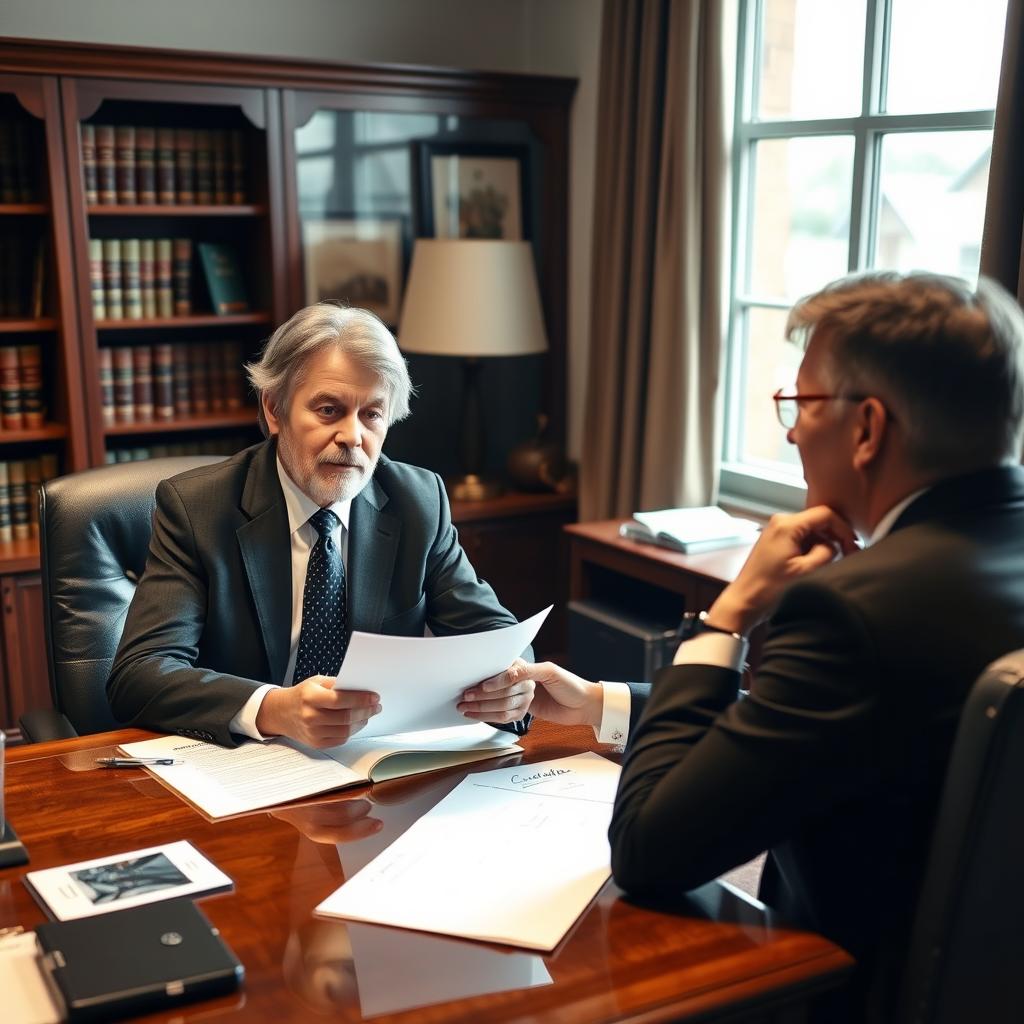
Will Contest Lawyer York County
A will contest arises when a person challenges the validity of a will submitted for probate—alleging, for example, that the will was the product of undue influence, fraud, lack of testamentary capacity, or improper execution. In York County, Virginia, these disputes are heard in the York County Circuit Court, located at 300 Ballard Street, Yorktown, VA 23690, which handles probate, trust, and estate litigation. Whether you are a beneficiary seeking to challenge a will or an executor or fiduciary defending one, experienced legal guidance is critical. The process is governed by the Virginia Uniform Trust Code (Va. Code § 64.2‑700 et seq.) and the Virginia Wills Act (Va. Code § 64.2‑400 et seq.), and a contested will can freeze an estate, delay distributions, and provoke expensive litigation. Law Offices Of SRIS, P.C., with a location in Richmond and a multi-state practice, represents clients in will-contest matters throughout York County—including the communities of Yorktown, Grafton, Tabb, and Seaford. To request a consultation, call (888) 437‑7747. Law Offices Of SRIS, P.C. — Advocacy Without Borders.
What Will Contest Means in York County
York County is part of Virginia’s Ninth Judicial District, and its Circuit Court has exclusive jurisdiction over probate and will-contest proceedings. An interested party—typically a beneficiary under a prior will or an heir who would inherit under intestacy—files a complaint in the Circuit Court seeking to set aside the probated will. The grounds for a contest may include lack of testamentary capacity (the testator did not understand the nature and extent of his or her property or the natural objects of his or her bounty), undue influence (a beneficiary or other person exerted improper pressure over the testator), fraud (the will was procured by misrepresentation), or failures in the statutory formalities of execution (witness, signature, or notarization defects). When a will contest is filed, the estate administration is effectively paused until the litigation is resolved. The clerk of the Circuit Court administers probate initially, but contested matters proceed before a judge.
Virginia law provides a structured but demanding framework for these disputes. The party challenging the will generally carries the burden to prove the alleged defect by clear and convincing evidence. Discovery, depositions, and, in many cases, expert testimony (for example, from medical professionals regarding capacity) are common. The court’s role is to determine the validity of the document, not to rewrite the estate plan. Because will contests can strain family relationships and consume estate assets, early assessment of the claim’s merits and the available evidence is essential. An attorney familiar with the York County Circuit Court and the nuances of Virginia fiduciary litigation can help a client evaluate whether to pursue a contest, defend a will, or explore settlement options such as a family agreement to adjust bequests outside of litigation.
How Mr. Sris and His Of Counsel Handle Will Contest Cases
Mr. Sris, who founded the firm in 1997 after having served as a former prosecutor, brings a trial-focused perspective to estate litigation. Together with his Of Counsel, he concentrates on identifying the key issues early—whether the contest centers on a single signature defect or a complex pattern of alleged undue influence and diminished capacity. The team works closely with forensic accountants, medical experts, and handwriting analysts when needed to build a case for trial. They appear regularly in Virginia Circuit Courts, including the York County Circuit Court, and understand the procedural rules that govern will contests, from the filing of the complaint to discovery, motions practice, and, if necessary, a bench trial.
The approach is tailored to the specifics of each matter. For a beneficiary challenging a will, the focus may be on gathering evidence from care providers, financial records, and witnesses to the will’s signing. For a fiduciary defending a will, the emphasis is on demonstrating the testator’s intent, capacity, and freedom from undue influence, often relying on the testimony of the attorney who drafted the will and the subscribing witnesses. Because litigation can be costly and emotionally draining, the team also explores alternative resolutions—mediating the dispute or negotiating a family settlement that respects the testator’s wishes while addressing the challenger’s concerns. Throughout, the goal is to resolve the contest efficiently and protect the client’s interests under Virginia law.
About Mr. Sris and His Of Counsel Team
Mr. Sris is the Owner and Founder of Law Offices Of SRIS, P.C. A former prosecutor, he has practiced since 1997 and is admitted in Virginia, Maryland, the District of Columbia, New Jersey, and New York. His experience in the courtroom—first on the prosecution side and then representing individuals and families in civil and fiduciary litigation—informs his work on will-contest matters. He testified before the Virginia House Courts of Justice Committee in support of 2019 HB 635 (chief patron Del. David Bulova). Mr. Sris and his Of Counsel bring over 120 years of combined legal experience with 4,739+ documented firm-wide results. Results may vary.
The Of Counsel team includes attorneys with backgrounds in litigation, family law, and business law, all of whom contribute to a well-rounded approach to estate disputes. The firm handles will contests, trust disputes, and fiduciary litigation across Virginia, including in York County, from its Richmond Location at 7400 Beaufont Springs Drive, Suite 300, Room 395, Richmond, VA 23225. Clients reach the firm at (888) 437‑7747.
Frequently Asked Questions
What is the difference between a will contest and a trust dispute in Virginia?
In Virginia, a will contest challenges the validity of a will, typically on grounds such as lack of capacity, undue influence, fraud, or improper execution. A trust dispute, by contrast, involves a challenge to the administration or terms of a trust, which may be governed by the Virginia Uniform Trust Code. Both are fiduciary litigation and can proceed in the same Circuit Court, but they involve different legal standards and procedures.
What should I do if I believe a will is invalid?
If you suspect a will was procured through undue influence or that the testator lacked capacity, act promptly. The time to contest a will is limited; speak with an experienced attorney as soon as possible. Preserve relevant documents—such as medical records, correspondence, and prior wills—and avoid discussing the matter with the executor or other beneficiaries until you have legal guidance. A lawyer can evaluate your standing, the strength of your claim, and the applicable statutes of limitation.
Do I need a lawyer for a will contest in York County?
Yes. Will contests are complex, demanding a thorough understanding of Virginia probate law, the Rules of Evidence, and trial procedure. The York County Circuit Court has exclusive jurisdiction, and an attorney who regularly appears there can navigate the procedural requirements, gather and present evidence, and protect your rights. Self-representation is strongly discouraged in any fiduciary litigation.
How long does a will contest take in York County, Virginia?
The timeline varies depending on the complexity of the case, the court’s calendar, and the nature of the claims. A relatively straightforward contest with limited discovery may resolve in several months; a case with extensive expert testimony and multiple issues could take well over a year. The estate administration is stayed during the contest, which can affect distributions.
What are common grounds for a will contest under Virginia law?
Virginia law recognizes several grounds: the testator lacked testamentary capacity at the time the will was executed; the will was the product of undue influence (someone coerced or manipulated the testator); the will was procured by fraud; or the will was not executed with the formalities required by the Virginia Wills Act (such as the signature of the testator and the presence of two competent witnesses). If any of these elements is missing, a contest may succeed.
How does the court decide a will contest?
The York County Circuit Court conducts a bench trial (unless a jury is demanded, which is rare in will contests). The party challenging the will must prove the alleged defect by clear and convincing evidence. The court hears testimony from witnesses—including the drafting attorney, subscribing witnesses, and medical experts—and examines documentary evidence. At the conclusion, the court either admits the will to probate or declares it invalid.
Primary sources: Virginia Code Title 64.2 (Wills, Trusts, and Fiduciaries) · Virginia Courts
Attorney advertising. Prior results do not guarantee a similar outcome. Results may vary. Engaging Law Offices Of SRIS, P.C. Requires a signed engagement agreement.
Case results depend on a variety of factors unique to each case.