
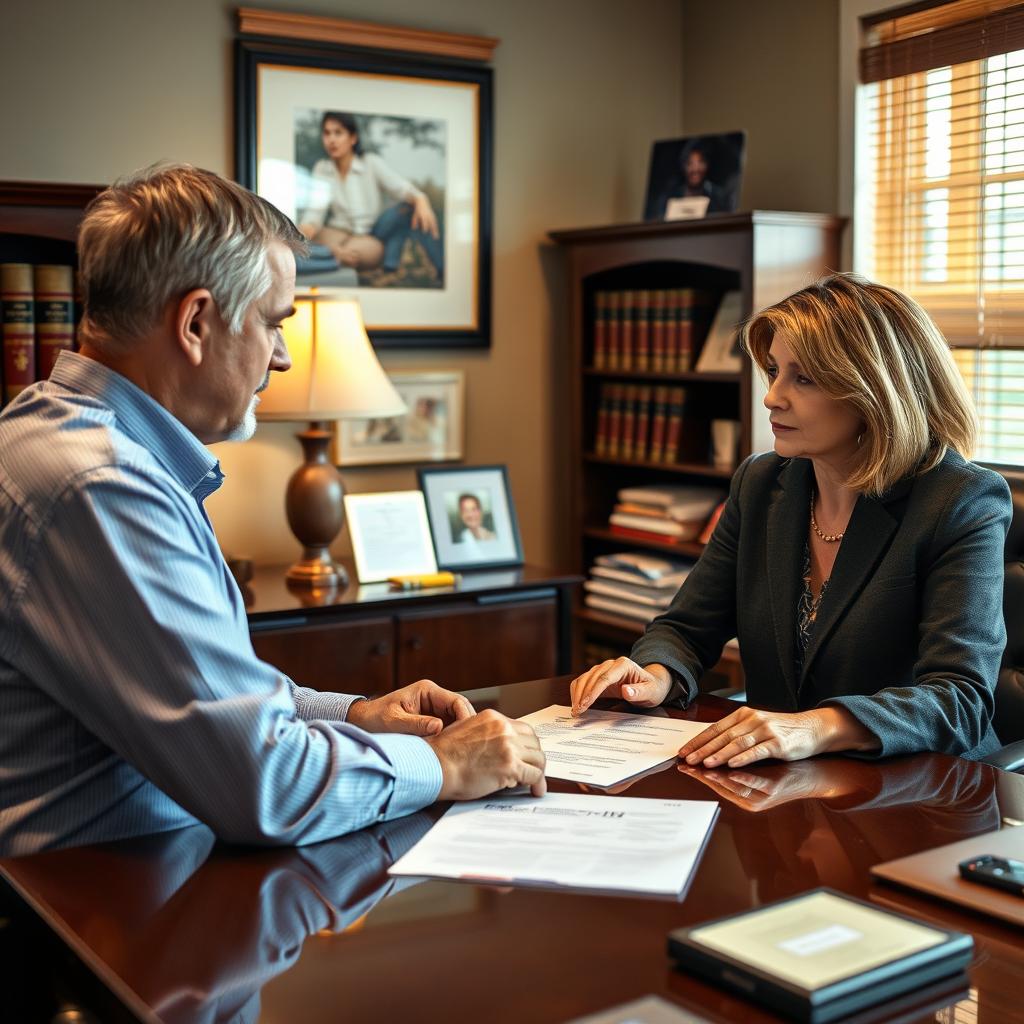
Special Needs Trust Lawyer York County, VA
Planning for the future of a family member with special needs is one of the most important tasks you will ever undertake. A properly drafted special needs trust protects a loved one’s eligibility for government benefits—such as Medicaid and Supplemental Security Income—while providing resources that can be used for education, therapy, recreation, and other quality‑of‑life expenses. Families in York County, Virginia, turn to Law Offices Of SRIS, P.C. for experienced guidance. Mr. Sris and his Of Counsel team concentrate on estate planning, including special needs trusts, and understand the intersection of federal benefit rules with Virginia’s Uniform Trust Code. Whether you are creating a first‑party trust with a personal injury settlement or a third‑party trust funded by a parent or grandparent, the trust must be drafted with precision to avoid disqualifying the beneficiary. Reach our location today at (888) 437‑7747. Law Offices Of SRIS, P.C. — Advocacy Without Borders.
What Special Needs Trust Planning Means in York County
York County is part of the Ninth Judicial District of Virginia. Matters involving special needs trusts are governed primarily by the Virginia Uniform Trust Code, Va. Code § 64.2‑700 et seq., and are often connected to estate administration proceedings that fall under the jurisdiction of the York County Circuit Court (Probate). The court, located at 300 Ballard Street, Yorktown, handles the appointment of executors and trustees, the filing of inventories, and any necessary supervision of trust administration. While Virginia no longer imposes a state‑level estate tax, the federal estate tax exemption remains an important consideration for families planning significant inter‑generational transfers.
Special needs trusts in particular require careful alignment of state trust law with the Social Security Administration’s and Virginia Department of Social Services’ complex eligibility rules. A trust that is not drafted as a “special needs trust” under the governing federal standards may cause a loss of benefits that the family intended to preserve. The drafting attorney must also anticipate potential changes in the law and in the beneficiary’s life circumstances. In our practice, we have seen how proper planning can mean the difference between a loved one losing coverage and a lifelong resource that provides security and peace of mind.
How Mr. Sris and His Of Counsel Handle Trust and Estate Cases
When you contact Law Offices Of SRIS, P.C., Mr. Sris or a member of his Of Counsel team begins by understanding your family’s goals and the specific needs of the proposed beneficiary. This includes reviewing existing estate plans, assessing the nature and source of the funds to be placed in trust, and discussing whether a first‑party (self‑settled) trust or a third‑party trust is appropriate. If litigation or a settlement will fund the trust, coordination with personal‑injury counsel is essential to ensure the trust is properly structured before the proceeds are distributed.
After the initial consultation, the team drafts the trust instrument to comply with Virginia law while incorporating required provisions for federal means‑tested benefits. The document spells out the trustee’s powers, the categories of permissible distributions, and the remainder beneficiaries. When a trust is part of a broader estate plan, Mr. Sris and his Of Counsel work with the family’s financial and tax advisors to integrate the trust with wills, powers of attorney, and advance medical directives. Every engagement is handled with the attention to detail that families deserve, and the schedule is driven by the court’s procedures and the complexity of the matter. Results may vary.
About Mr. Sris and His Of Counsel Team
Mr. Sris, Owner and Founder of Law Offices Of SRIS, P.C., has been practicing since 1997. A former prosecutor, he concentrates his work in estate planning, trust administration, and complex civil litigation across Virginia, Maryland, the District of Columbia, New Jersey, and New York. His background includes testifying before the Virginia House Courts of Justice Committee in support of 2019 HB 635 (chief patron Del. David Bulova), demonstrating a commitment to the legal framework that affects families.
Mr. Sris is joined by a team of experienced Of Counsel attorneys who share his dedication to meticulous estate planning. Together, Mr. Sris and his Of Counsel bring over 120 years of combined legal experience and have documented 4,739+ case results across all practice areas since 1997. Results may vary. The team serves communities throughout York County—Yorktown, Grafton, Tabb, and Seaford—from the firm’s Richmond Location at 7400 Beaufont Springs Drive, Suite 300, Room 395, Richmond, VA 23225. By appointment. Call (888) 437‑7747 to schedule.
Frequently Asked Questions
What is a special needs trust and why is it important?
A special needs trust is a legal arrangement that holds assets for a person with a disability without counting those assets toward the eligibility limits of means‑tested government programs. It allows the beneficiary to receive financial support—for items such as medical equipment, education, travel, and personal care—while preserving access to Medicaid, SSI, and other benefits. Without a properly drafted special needs trust, a direct inheritance or personal‑injury settlement could cause a loss of coverage, jeopardizing the person’s long‑term security. The trust must be created under state law and comply with federal resource rules.
Do I need a lawyer to create a special needs trust in York County?
You are not legally required to hire a lawyer to draft a special needs trust, but the drafting is highly technical. A mistake—such as giving the beneficiary direct access to trust funds—can cause disqualification from benefits. An experienced estate planning lawyer understands the interplay between Virginia’s Uniform Trust Code and federal benefit regulations, and can tailor the trust to your family’s specific situation. At Law Offices Of SRIS, P.C., Mr. Sris and his Of Counsel have the depth of experience to help you avoid common pitfalls and create a durable plan.
What types of special needs trusts are available under Virginia law?
Virginia recognizes both first‑party and third‑party special needs trusts. A first‑party trust is funded with the beneficiary’s own assets, often from a personal‑injury settlement or an inheritance, and must include a Medicaid payback provision. A third‑party trust is created by a family member—typically a parent or grandparent—and does not require payback to the state upon the beneficiary’s death. The choice of trust structure affects tax treatment, control over the remainder, and the impact on public assistance. The appropriate type depends entirely on the circumstances.
How does a special needs trust protect eligibility for Medicaid and SSI?
The trust is drafted so that the beneficiary has no legal right to demand distributions, and all disbursements are made at the trustee’s discretion. Because the beneficiary cannot direct the trust assets, those assets are not counted as “available resources” under Medicaid or SSI rules. The trust must contain specific language to satisfy the Social Security Administration’s requirements, and the trustee must follow strict guidelines when making purchases or paying for services directly on behalf of the beneficiary. Regular review is advisable to ensure ongoing compliance.
Can a special needs trust be used for housing, transportation, and other expenses?
Yes, but the trustee must follow very specific rules to avoid reducing the beneficiary’s benefits. For example, the trust can purchase a home that does not count as a resource, can pay for vehicle maintenance and accessible equipment, and can cover travel, entertainment, and personal items. However, cash given directly to the beneficiary, or payment for food and shelter, may reduce SSI payments dollar‑for‑dollar in the month provided. Experienced counsel can guide the trustee in making distributions that enhance quality of life without accidentally disrupting benefits.
How do I start the process of setting up a special needs trust?
The first step is to request a consultation. Mr. Sris or one of his Of Counsel team members will discuss your family’s situation, explain the legal framework, and identify any immediate issues—such as an upcoming settlement or a change in the beneficiary’s medical condition. You will need to gather basic financial information and, if applicable, any existing estate plans or benefit determinations. From there, the team can draft a trust instrument tailored to your needs. To schedule, contact Law Offices Of SRIS, P.C. at (888) 437‑7747.
Trust & Estate Lawyer in James City County · Trust & Estate Lawyer in Williamsburg · Trust & Estate Lawyer in Fairfax County · Trust & Estate Lawyer in Fairfax (City)
Virginia Uniform Trust Code (Va. Code § 64.2‑700 et seq.) · York County Circuit Court
Attorney advertising. Prior results do not guarantee a similar outcome. Results may vary.
Case results depend on a variety of factors unique to each case.