
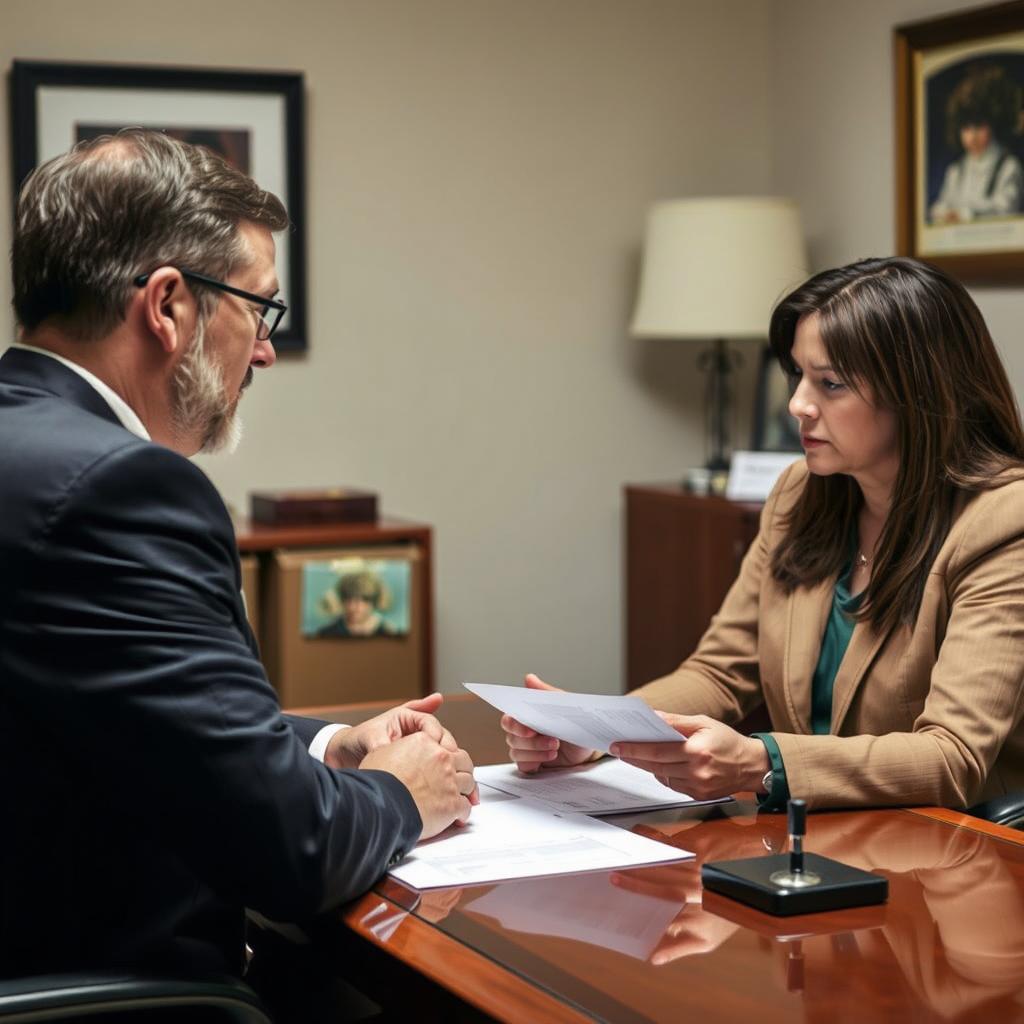
Special Needs Trust Lawyer Chesapeake, VA
A special needs trust allows a family to provide for a loved one with a disability without jeopardizing eligibility for means-tested government benefits such as Medicaid and Supplemental Security Income. In Chesapeake, Virginia, creating a properly drafted special needs trust requires careful navigation of the Virginia Uniform Trust Code and federal regulations that govern benefit eligibility. Law Offices Of SRIS, P.C. Concentrates its trust and estate practice on helping families across Chesapeake—including Deep Creek, Great Bridge, and Greenbrier—establish special needs trusts that preserve public benefits while providing supplemental resources for education, therapy, recreation, and other quality-of-life needs. Mr. Sris and the firm’s Of Counsel attorneys work with families to structure trusts that address both immediate and long-term planning goals. For a consultation, call (888) 437-7747. Law Offices Of SRIS, P.C. – Advocacy Without Borders.
What Special Needs Trust Means in Chesapeake
A special needs trust—sometimes called a supplemental needs trust—is a legal arrangement that holds assets for the benefit of a person with a disability while protecting the beneficiary’s continued eligibility for government programs. For Chesapeake residents, the trust is governed by the Virginia Uniform Trust Code (Va. Code § 64.2-700 et seq.) and administered under the supervision of the Chesapeake Circuit Court, located at 307 Albemarle Drive, Chesapeake, VA 23322. The firm’s Richmond Location serves clients throughout Chesapeake and the surrounding Hampton Roads area.
Virginia imposes no state estate tax, so planning focuses on the federal estate tax exemption and the interplay between the trust’s terms and the financial eligibility rules for public benefits. The trustee must follow strict distribution guidelines to avoid inadvertently causing a loss of benefits, and the trust instrument must comply with Virginia’s statutory formalities. Families in Chesapeake use special needs trusts to hold funds from an inheritance, a personal injury settlement, or lifetime savings, ensuring that the beneficiary can continue to receive essential medical and income support while enjoying the additional resources the trust provides.
How Mr. Sris and the Firm’s Of Counsel Attorneys Handle Special Needs Trust Cases
Mr. Sris and the firm’s Of Counsel attorneys begin by understanding the family’s goals and the beneficiary’s current benefit portfolio. The team evaluates whether a first‑party trust (funded with the beneficiary’s own assets) or a third‑party trust (funded by parents or other relatives) is appropriate, and drafts the trust instrument to satisfy both Virginia law and applicable federal regulations. The process includes identifying the proper trustee, defining permitted distributions, and coordinating with financial professionals to fund the trust with appropriate assets.
Once the trust is established, the firm provides guidance on ongoing administration to maintain compliance. The timeline varies depending on the complexity of the beneficiary’s situation and the nature of the assets involved. Mr. Sris and the firm’s Of Counsel attorneys also assist with post‑death administration, trust modifications, and representation before the Chesapeake Circuit Court when court approval of a trust matter is required.
About Mr. Sris and the Firm’s Of Counsel Attorneys
Mr. Sris, Owner and Founder of Law Offices Of SRIS, P.C., has practiced since 1997 and is admitted in Virginia, Maryland, the District of Columbia, New Jersey, and New York. Mr. Sris and the firm’s Of Counsel attorneys bring extensive combined legal experience. Results may vary.
Mr. Sris testified before the Virginia House Courts of Justice Committee in support of 2019 HB 635 (chief patron Del. David Bulova). The firm’s Of Counsel attorneys contribute additional depth in trust drafting, estate administration, and public‑benefit coordination. Together, Mr. Sris and the firm’s Of Counsel attorneys provide families in Chesapeake with the multi‑state perspective and careful planning that a special needs trust demands.
For decedents dying in 2026, the federal estate tax basic exclusion amount is $15,000,000 per individual ($30,000,000 per married couple), made permanent and indexed for inflation starting in 2027 under the One, Big, Beautiful Bill Act.
Source: 26 U.S.C. § 2010(c)(3); Pub. L. 119-21 § 70106. Federal legislation
Reviewed by Mr. Sris, admitted in VA/MD/DC/NJ/NY.
Frequently Asked Questions
What is a special needs trust?
A special needs trust is a legal arrangement that holds assets for a person with a disability while preserving the individual’s eligibility for government benefits like Medicaid and SSI. The trust pays for goods and services that are not covered by public programs—such as dental care, travel, therapy, and recreation—without counting as income or resources. In Virginia, the trust must comply with the Virginia Uniform Trust Code and be structured so that distributions are made to supplement, not replace, public assistance.
Who can set up a special needs trust in Chesapeake, Virginia?
Parents, grandparents, legal guardians, or a court may establish a special needs trust for a beneficiary, and in some circumstances the beneficiary may create a first‑party trust with their own assets. The choice of trust type depends on who owns the funds and whether the beneficiary has capacity. Our firm advises Chesapeake families on which option best protects the beneficiary’s interests under current law.
How does a special needs trust protect government benefits?
The trust protects benefits by holding assets outside the beneficiary’s name and giving the trustee discretionary authority over distributions. Because the beneficiary cannot demand payments and the trust does not count as a resource, programs like Medicaid and SSI generally disregard the trust. Proper drafting is essential; an incorrectly worded trust can trigger a loss of benefits.
Do I need a lawyer to create a special needs trust in Chesapeake?
You are not legally required to hire a lawyer, but an experienced attorney can help ensure the trust satisfies both Virginia trust law and the intricate federal rules that govern benefit eligibility. A misstep can result in the beneficiary losing vital medical coverage or income. For guidance on your specific situation, call Law Offices Of SRIS, P.C. at (888) 437-7747.
What is the difference between a first‑party and a third‑party special needs trust?
A first‑party trust is funded with the beneficiary’s own assets—such as a lawsuit settlement—while a third‑party trust is funded by someone other than the beneficiary, like a parent’s estate plan. First‑party trusts generally require payback to the state upon the beneficiary’s death for Medicaid benefits received; third‑party trusts typically do not. The firm advises Chesapeake families on the tax and benefit consequences of each type.
How long does it take to set up a special needs trust in Virginia?
The timeline varies based on the complexity of the assets, the family’s readiness to make decisions, and the attorney’s drafting schedule. Simple trusts can often be completed in a few weeks, while those involving multiple beneficiaries or contested funding sources may take longer. Contact our firm to discuss a reasonable timeframe for your matter.
Choosing a Trustee for a Special Needs Trust
Selection of the trustee is one of the most important decisions in the planning process. The trustee manages trust assets, makes distributions, and ensures compliance with both trust terms and public benefit rules. In Chesapeake, families often consider a professional trustee, a trusted family member, or a combination of both. A professional trustee—such as a bank trust department or a nonprofit organization—brings experience with fiduciary accounting and benefit regulations. A family member trustee may have deeper personal knowledge of the beneficiary’s needs but must be willing to learn the administrative requirements. Many families appoint co‑trustees to balance personal insight with professional oversight. The trust document can also name a successor trustee to step in if the initial trustee resigns or becomes unable to serve. Our firm helps Chesapeake families evaluate their options and draft trust language that defines the trustee’s powers and duties clearly, reducing the risk of future disputes or benefit interruptions.
Funding Options for a Chesapeake Special Needs Trust
A special needs trust can be funded through a variety of sources. Common funding methods include life insurance proceeds, gifts from relatives during lifetime, testamentary transfers under a will, and proceeds from a personal injury or medical malpractice settlement. In Virginia, § 8.01‑424 of the Code of Virginia allows for the creation of a qualified settlement fund or a special needs trust to receive settlement proceeds on behalf of a disabled individual without disrupting Medicaid or SSI eligibility. For third‑party trusts, parents and grandparents often integrate the trust into their overall estate plan, designating the trust as the beneficiary of retirement accounts or life insurance policies. Funding should be coordinated with the overall estate plan to avoid unintended tax consequences. Our firm works with financial advisors and insurance professionals to ensure that the trust is properly designated and funded, and that the beneficiary’s public benefits remain protected throughout the process.
Common Mistakes to Avoid
Even a well‑intentioned trust can fail if certain pitfalls are not addressed. One frequent mistake is naming the beneficiary as a co‑trustee or granting the beneficiary the right to demand distributions, which can cause the trust assets to be counted as a resource for benefit purposes. Another error is failing to update the trust when family circumstances or laws change, such as when the beneficiary moves to a different state or when Medicaid regulations are revised. Using the trust to pay for food or shelter directly—instead of using other funds—can also reduce SSI benefits. Additionally, poorly drafted spendthrift provisions or ambiguous distribution standards can invite litigation. Our firm reviews existing trusts for compliance with Virginia law and current federal guidelines, and can recommend modifications or restatements to correct these issues. For families in Chesapeake, periodic trust reviews are a practical step to maintain the safety net that the trust is designed to provide.
Related Trust & Estate pages:
Fairfax County Trust & Estate Lawyer,
Fairfax City Trust & Estate Lawyer,
Falls Church Trust & Estate Lawyer,
Prince William County Trust & Estate Lawyer
Attorney advertising. Prior results do not guarantee a similar outcome. Results may vary.
Case results depend on a variety of factors unique to each case.