
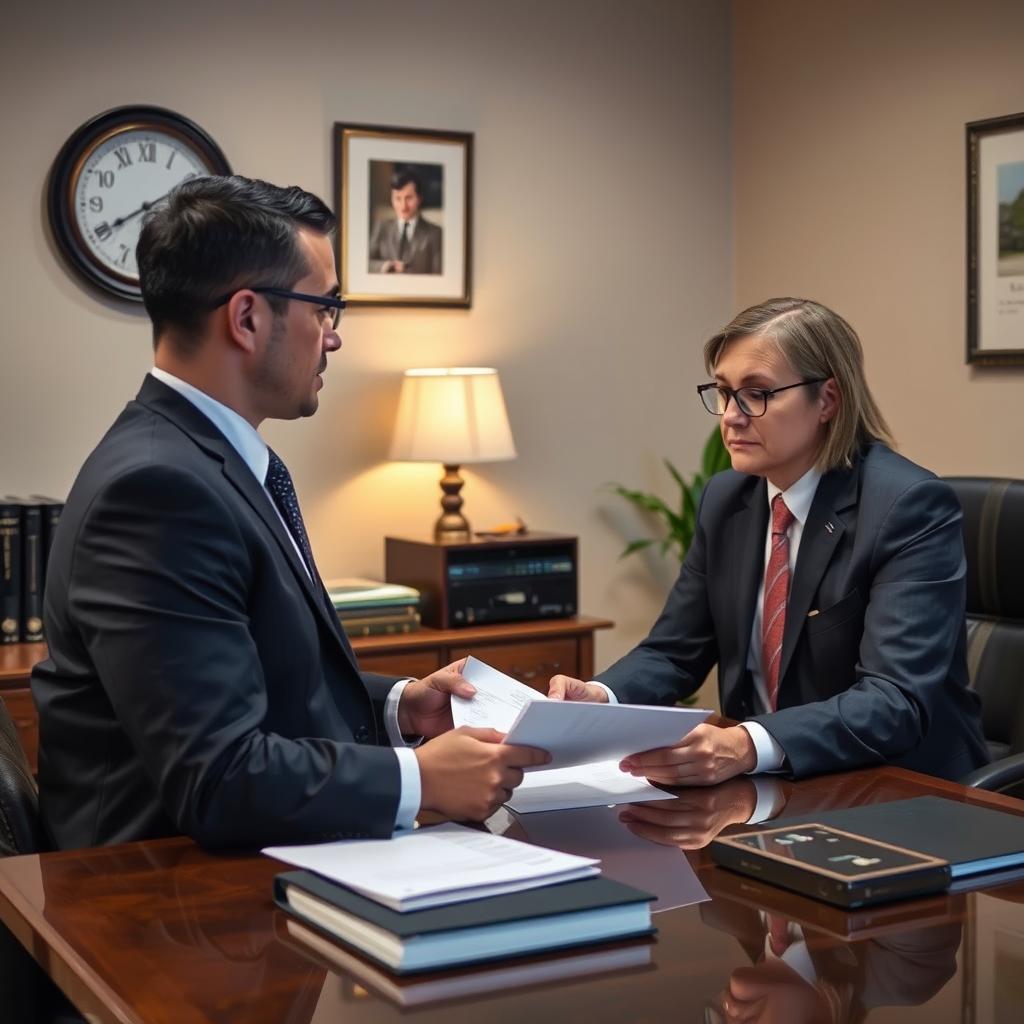
Insurance Lawyer Chesapeake
An Insurance Lawyer Chesapeake handles disputes between policyholders and insurance companies in Chesapeake, Virginia. These attorneys fight claim denials, bad faith tactics, and coverage disputes under Virginia contract and insurance law. Law Offices Of SRIS, P.C.—Advocacy Without Borders. provides direct legal counsel for these complex matters. You need a lawyer who knows Chesapeake courts and insurance regulations. (Confirmed by SRIS, P.C.)
Statutory Definition of Insurance Disputes in Virginia
Virginia insurance disputes are governed primarily by the Virginia Insurance Code, Title 38.2, and Virginia contract law. There is no single statute for all disputes; instead, multiple codes define unfair claim settlement practices, policy interpretation, and bad faith. A key statute is § 38.2-510, which outlines standards for prompt, fair, and equitable settlements. Violations can lead to regulatory action by the State Corporation Commission (SCC) and form the basis for a civil lawsuit. The maximum penalty in a civil suit is not a fixed fine or jail time but includes compensatory damages, potential punitive damages, and attorney’s fees as permitted by law. The classification is a civil matter, not criminal.
An insurance claim denial lawyer Chesapeake deals with the breach of an insurance contract. The policy is a legally binding agreement. When an insurer refuses a valid claim, it may breach that contract. Virginia courts interpret policy language strictly against the insurer who drafted it. This is known as the doctrine of contra proferentem. Your attorney must parse the specific exclusions and conditions cited for denial. They build a case on contract principles and statutory violations.
Virginia law also prohibits unfair claim settlement practices under § 38.2-510. These include misrepresenting facts, failing to acknowledge claims promptly, and not conducting a reasonable investigation. An insurance dispute lawyer Chesapeake uses these statutes to pressure insurers. Demonstrating a pattern of bad faith can significantly strengthen your position. It can open the door to claims beyond the basic policy limits.
What constitutes “bad faith” in Virginia insurance law?
Bad faith in Virginia requires more than a simple claim denial. You must show the insurer knew or should have known the denial was without a reasonable basis. Evidence includes ignoring medical reports, delaying without cause, or misapplying policy language. A Chesapeake attorney gathers internal documents and correspondence to prove this knowing disregard. Successful bad faith claims can recover damages exceeding the original claim amount.
How does Virginia law treat “ambiguous” policy language?
Virginia courts consistently rule that ambiguous insurance policy terms are interpreted in favor of the policyholder. If a clause about “water damage” or “business use” can be read two ways, the court adopts the reading that provides coverage. An Insurance Lawyer Chesapeake argues this ambiguity to overcome denials based on fine print. This legal principle is a powerful tool against insurers relying on technicalities to deny claims.
What is the role of the Virginia State Corporation Commission?
The Virginia SCC Bureau of Insurance regulates insurers and investigates consumer complaints. Filing a complaint with the SCC can be a strategic step. It creates an official record and may prompt a regulatory review. However, the SCC cannot order an insurer to pay your claim. For monetary recovery, you must file a civil lawsuit in the appropriate Chesapeake court. A lawyer coordinates both avenues for maximum effect. Learn more about Virginia legal services.
The Insider Procedural Edge in Chesapeake Courts
Chesapeake Circuit Court is located at 307 Albemarle Dr, Chesapeake, VA 23322, and handles larger insurance disputes. For smaller claims under $25,000, Chesapeake General District Court at 301 Albemarle Dr is the venue. Knowing which court to file in is the first critical step. Procedural rules differ significantly between these courts. Missing a deadline or filing in the wrong court can doom your case before it starts.
The filing fee for a civil warrant in General District Court is typically around $52. The fee for a Complaint in Circuit Court is higher, often $84 or more. These costs are just the beginning. You must also pay for service of process on the insurance company. Chesapeake courts move on strict schedules. A claim must be served within 12 months of filing in Circuit Court. Discovery deadlines are firm. Local judges expect strict adherence to procedural rules.
Local procedural fact: Chesapeake judges are familiar with insurance defense firms that routinely handle these cases. They expect your attorney to be equally prepared and procedural. Pro se litigants often struggle against experienced insurance counsel. Having a lawyer who knows the local clerks, judges, and rules is not an advantage; it is a necessity. Your attorney must file precise pleadings and meet all local formatting requirements.
What is the typical timeline for an insurance lawsuit in Chesapeake?
A direct insurance case in Chesapeake General District Court can take 6 to 9 months to reach trial. More complex cases in Circuit Court, especially those involving extensive discovery or experienced witnesses, often take 12 to 18 months or longer. The timeline starts with filing a complaint or warrant. It proceeds through discovery, motions, and potentially mediation. Your lawyer must push the case forward to avoid unnecessary delays by the defense.
Is mediation required before trial in Chesapeake?
Many Chesapeake courts strongly encourage or require mediation before a civil trial date is set. This is a court-ordered settlement conference with a neutral mediator. It is a critical phase where many insurance disputes are resolved. An experienced insurance dispute lawyer Chesapeake prepares for mediation as seriously as for trial. They present a compelling case to convince the insurer’s counsel that losing at trial is a real risk. Learn more about criminal defense representation.
Penalties, Damages, and Defense Strategies
The most common penalty for an insurer found liable is payment of the contracted policy benefits plus interest. However, Virginia law allows for additional damages in specific situations. If bad faith is proven, a court may award punitive damages to punish the insurer. The court can also order the insurer to pay the policyholder’s attorney’s fees under certain statutes. The goal is to make the policyholder “whole” and deter wrongful conduct.
| Offense / Finding | Penalty / Damage Range | Notes |
|---|---|---|
| Breach of Contract | Policy limit + Pre-judgment Interest (up to 6%) | Core recovery for the wrongfully denied claim amount. |
| Statutory Bad Faith (§ 38.2-209) | Policy limit + Interest + Possible Attorney’s Fees | Requires proof of knowing violation of insurance code. |
| Common Law Bad Faith | Compensatory + Punitive Damages (No Statutory Cap) | Punitive awards are rare and require egregious conduct. |
| Unfair Settlement Practices (§ 38.2-510) | Regulatory fines by SCC + Basis for Civil Suit | SCC fines go to the state, not the policyholder. |
[Insider Insight] Chesapeake prosecutors do not handle these civil cases. The insight is for the local defense bar: Insurance defense firms in Hampton Roads are aggressive but often seek to settle if liability is clear and trial risk is high. They use delay and procedural motions to pressure individuals without counsel. Having a lawyer who immediately counters these tactics changes the dynamic. It signals you will not be worn down.
Can I recover attorney’s fees from the insurance company?
Virginia follows the “American Rule” where each side pays its own fees, unless a statute or contract clause says otherwise. Virginia Code § 38.2-209 allows fee recovery if the insurer acts in bad faith. A judge must find the denial was not fairly debatable and was made with no reasonable basis. Your attorney must build the case from the start with this fee-shifting potential in mind. Documenting the insurer’s unreasonable conduct is key.
What is the difference between a first-party and third-party claim?
A first-party claim is when you claim against your own policy, like for car damage or homeowners loss. A third-party claim is when someone else claims against your policy, like in a liability case. The legal duties of the insurer differ. Bad faith law is more developed in third-party contexts, but first-party bad faith claims are viable in Virginia. An Insurance Lawyer Chesapeake identifies which framework applies to maximize your use.
Why Hire SRIS, P.C. for Your Chesapeake Insurance Dispute
SRIS, P.C. assigns attorneys with direct litigation experience in Chesapeake courts to insurance disputes. Our firm has secured favorable outcomes in numerous civil litigation matters in the city. We understand the local judicial temperament and the tactics of regional insurance defense firms. We prepare every case with the assumption it will go to trial. This preparation forces better settlement offers. Learn more about DUI defense services.
Attorney Profile: Our Chesapeake litigation team includes attorneys skilled in civil procedure and insurance contract law. While specific attorney data for Chesapeake is confirmed during consultation, our firm’s approach is consistent: we provide aggressive, knowledgeable representation. We dissect policy language and claims handling procedures to find violations. We use discovery to obtain the insurer’s internal manuals and adjuster notes.
Our differentiator is treating insurance law as a battle of contract interpretation and evidence. We do not just send demand letters. We build lawsuits. We file motions to compel when insurers withhold documents. We retain experienced witnesses when needed to prove the extent of a loss or the reasonableness of a claim. SRIS, P.C. has a Location in Chesapeake to serve clients directly. We offer a Consultation by appointment to review your denial letter and policy.
Localized Chesapeake Insurance Law FAQs
How long do I have to sue an insurance company in Chesapeake?
The statute of limitations for breach of an insurance contract in Virginia is generally five years from the date of the breach. For claims based on bad faith, other limits may apply. You must act quickly to preserve evidence and meet deadlines. Consult a lawyer immediately after a denial.
What should I bring to my first meeting with an insurance lawyer?
Bring your complete insurance policy, all denial letters, all correspondence with the insurer, photos of damage, repair estimates, and your own notes. Bring any police reports or independent reports. This gives your lawyer the complete picture to assess the strength of your case.
Will my case go to trial or settle?
Most insurance disputes settle before trial. Settlement often occurs during mediation or after discovery. A strong trial-ready posture from your lawyer makes settlement more likely. Insurers settle to avoid the cost and risk of a jury verdict. Your lawyer’s job is to make them see that risk. Learn more about our experienced legal team.
What types of insurance cases do you handle in Chesapeake?
We handle denials for homeowners claims, auto damage and injury, business interruption, life insurance, disability insurance, and liability coverage disputes. We also handle cases where the insurer offers a lowball settlement that does not cover your actual loss. We fight for full value.
How are legal fees structured for these cases?
Many insurance dispute cases are handled on a contingency fee basis. This means the attorney’s fee is a percentage of the recovery. If there is no recovery, you owe no attorney’s fee. Alternative arrangements, like hourly rates, are also possible and discussed during your initial consultation.
Proximity, Contact, and Critical Disclaimer
Our Chesapeake Location is strategically positioned to serve clients throughout the city and Hampton Roads. We are accessible from major highways and local landmarks. For a direct case review with an insurance claim denial lawyer Chesapeake, contact us to schedule a Consultation by appointment.
SRIS, P.C. – Chesapeake
Consultation by appointment. Call 24/7.
Phone: [PHONE NUMBER FOR CHESAPEAKE LOCATION]
Past results do not predict future outcomes.