
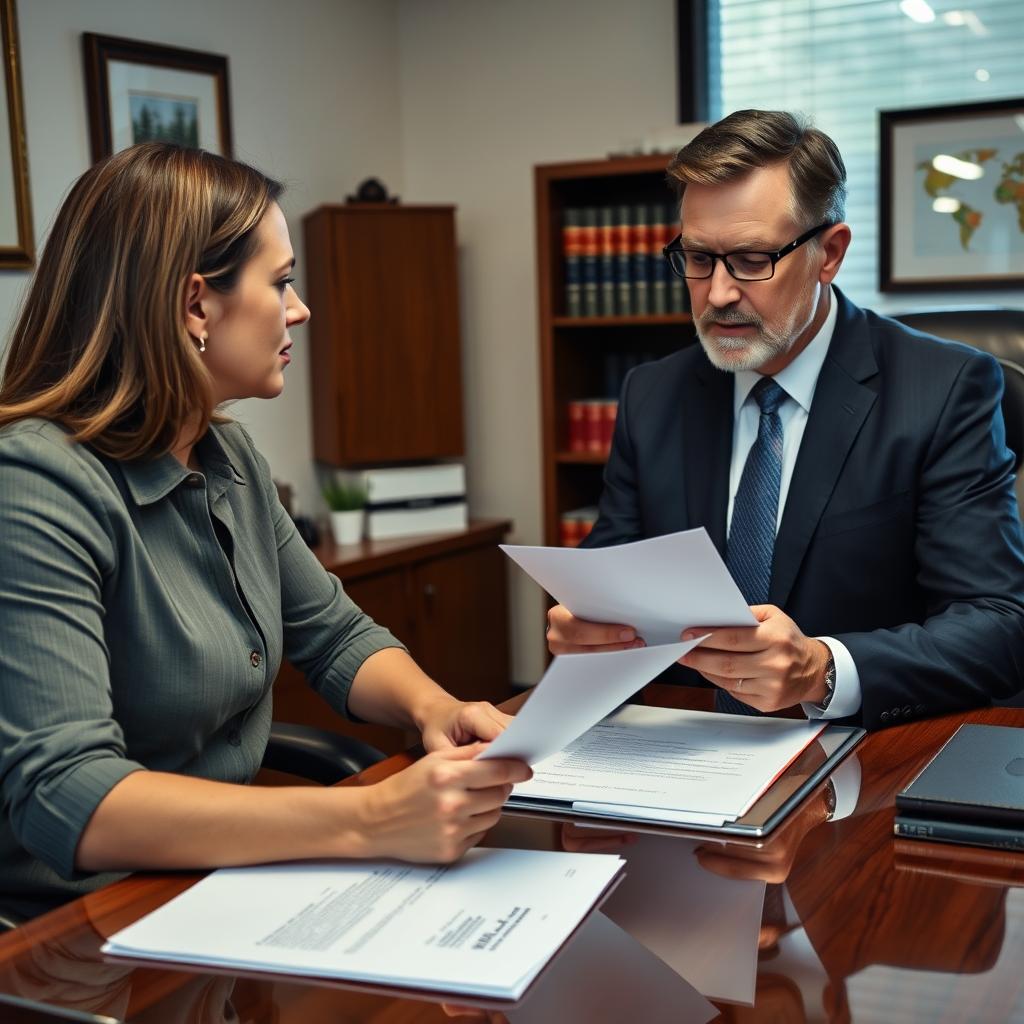
Bringing in and Harboring Aliens lawyer Chesapeake, VA
Under 8 U.S.C. § 1324‑1328, bringing in and harboring aliens is a serious federal offense prosecuted by the U.S. Attorney’s Office for the Eastern District of Virginia. A conviction can carry substantial prison time, steep fines, and immigration consequences for any non‑citizen involved. For someone in Chesapeake, Virginia who is facing an investigation or indictment for alien smuggling, harboring, or related charges, the stakes could not be higher. Law Offices Of SRIS, P.C., practicing since 1997, represents individuals and businesses throughout Chesapeake, the Hampton Roads region, and across the Eastern District of Virginia in federal criminal matters. Mr. Sris, Owner and Founder of the firm, is a former prosecutor who understands how the government builds these cases. Reach our location at (888) 437‑7747 to request a consultation. Law Offices Of SRIS, P.C. – Advocacy Without Borders.
The Federal Offense of Bringing in and Harboring Aliens in Chesapeake, Virginia
Federal law prohibits knowingly bringing an alien into the United States at a place other than a designated port of entry, transporting an alien within the country, concealing or harboring an alien, or encouraging an alien to enter or remain unlawfully. The statute—8 U.S.C. § 1324—applies broadly, covering everything from organized smuggling operations to a family member providing shelter. A companion provision, 8 U.S.C. § 1328, addresses the importation of an alien for purposes of prostitution or other immoral activity. Because these are federal charges, investigations are typically led by Homeland Security Investigations (HSI), the FBI, or Border Patrol, and the case is filed in one of the divisions of the U.S. District Court for the Eastern District of Virginia, which has locations in Norfolk, Richmond, Alexandria, and Newport News. Chesapeake residents typically appear in the Norfolk Division.
Federal sentencing guidelines, which are advisory but heavily influence the ultimate sentence, calculate a base offense level that increases based on the number of aliens involved, whether the offense was committed for profit, whether a firearm was used, and whether a serious injury or death resulted. There is no parole in the federal system; any release before the end of a sentence is limited to good‑conduct credits. The potential penalties underscore the importance of working with an attorney who regularly appears in the Eastern District of Virginia and understands how Assistant U.S. Attorneys and federal probation officers evaluate these cases.
How Mr. Sris and His Of Counsel Team Defend These Charges
Federal alien‑smuggling cases often hinge on the government’s ability to prove the defendant knew the individuals involved were aliens and intended to further their unlawful presence. Mr. Sris and his Of Counsel team begin by examining the investigative record: Were statements obtained in violation of Miranda? Was the traffic stop or search that uncovered the alleged activity lawful under the Fourth Amendment? In many Eastern District of Virginia prosecutions, evidence includes surveillance video, cell‑phone records, and cooperating‑witness testimony. Early examination of discovery is essential to identify weaknesses in the government’s proof.
The defense may also challenge the government’s classification of the defendant’s role. Sentences are driven by aggravating factors such as whether the defendant acted “for commercial advantage or private financial gain,” whether a dangerous weapon was possessed, or whether the offense caused serious bodily injury or death. By contesting these sentencing enhancements, Mr. Sris and his Of Counsel work to keep the advisory guideline range as low as the facts permit. Every step—from detention hearing to sentencing—is an opportunity to present mitigating information about the client’s background, ties to the community, and acceptance of responsibility.
About Mr. Sris and His Of Counsel Team
Mr. Sris, Owner and Founder of Law Offices Of SRIS, P.C., has practiced federal criminal defense since 1997. A former prosecutor, he brings firsthand insight into the government’s case‑building process. Mr. Sris testified before the Virginia House Courts of Justice Committee in support of 2019 HB 635 (chief patron Del. David Bulova). He is admitted to practice in Virginia, Maryland, the District of Columbia, New Jersey, and New York, and appears regularly in the U.S. District Court for the Eastern District of Virginia.
Alongside Mr. Sris, the firm’s Of Counsel team includes attorneys with extensive federal litigation backgrounds. Together, Mr. Sris and his Of Counsel bring extensive combined legal experience to the defense of immigration‑crime prosecutions. They understand the interplay between criminal charges and potential removal proceedings, and they coordinate with immigration counsel when a client is a non‑citizen facing collateral consequences. Results may vary. in any individual matter.
Frequently Asked Questions About Alien Smuggling Charges in Chesapeake
What should I do if I am being investigated for bringing in and harboring aliens?
If you suspect you are under investigation, do not speak with federal agents without an attorney present. Even innocent explanations can be used to build a case. Contact a lawyer immediately—early representation can shape whether charges are filed. Law Offices Of SRIS, P.C. is available at (888) 437‑7747.
How does a Virginia lawyer defend a federal harboring charge?
A defense lawyer scrutinizes the government’s evidence: Was the identity of the aliens properly proven? Did the client know they were unlawfully present? Was the search or seizure lawful? In plea negotiations, the attorney may argue for a reduced offense or a favorable sentencing placement. Because federal conviction rates are high, a thorough investigation from the outset is often the trusted path to a more favorable outcome.
What are the potential penalties for alien smuggling under 8 U.S.C. § 1324?
Penalties vary significantly. A basic violation of § 1324(a)(1)(A)(iv)—harboring—can carry up to five years’ imprisonment, while “bringing in” an alien can carry up to ten years or more if aggravated factors apply. If the offense was committed for financial gain, the maximum increases. Sentences are determined under the U.S. Sentencing Guidelines based on the offense level and criminal history. There is no parole in the federal system.
Can alien‑smuggling charges be dropped or reduced?
Yes, in some circumstances. If the government’s evidence was obtained unlawfully, a motion to suppress may lead to dismissal. Cooperation with a broader investigation might result in a downward departure. A skilled negotiation can also result in a plea to a lesser included offense. Each case must be evaluated on its specific facts. For a confidential review of your situation, reach our location at (888) 437‑7747.
How do federal sentencing guidelines apply to alien‑harboring cases?
The U.S. Sentencing Guidelines set a base offense level for alien smuggling that increases depending on the number of aliens, whether the offense was committed for profit, whether a firearm was involved, and other factors. The judge considers these guidelines, which are advisory, along with the factors in 18 U.S.C. § 3553(a). An attorney experienced in the Eastern District of Virginia can present arguments for a below‑guideline sentence based on the client’s character and the nature of the offense.
Do I need a lawyer if I am only a material witness?
Even if you are interviewed as a witness, anything you say can be used against you if you later become a target. Federal agents must read Miranda warnings only when a person is in custody and subject to interrogation, so a “voluntary” interview can be risky. It is wise to have counsel present whenever you speak with law enforcement. To discuss your role in a pending investigation, contact Law Offices Of SRIS, P.C. at (888) 437‑7747.
For additional defense perspectives, see our Fairfax County federal criminal lawyer page, Prince William County federal criminal defense, and Manassas federal criminal attorney.
Outbound primary‑source references:
8 U.S.C. § 1324 on Cornell LII |
U.S. District Court, Eastern District of Virginia
Attorney advertising. Prior results do not guarantee a similar outcome. Results may vary.
Case results depend on a variety of factors unique to each case.