
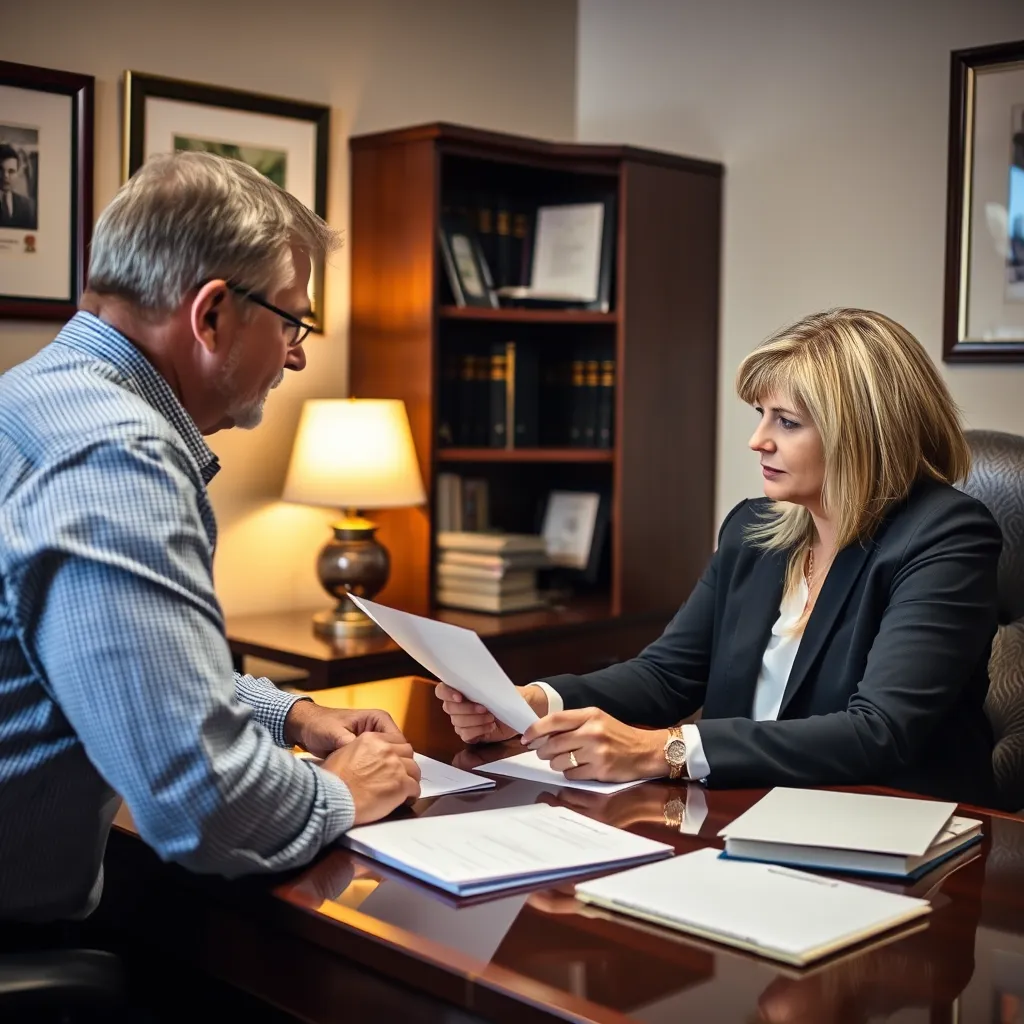
Child Support Enforcement Lawyer Poquoson, VA
For parents in Poquoson, Virginia, child support enforcement matters can arise when court-ordered support is unpaid or a parent seeks to modify an existing obligation. The Virginia Division of Child Support Enforcement (DCSE) administers enforcement actions such as income withholding, tax refund interception, and driver’s license suspension. When those measures do not resolve the issue, the matter may proceed to the Poquoson Juvenile and Domestic Relations District Court, where a judge can hold a non-paying parent in contempt, impose jail time, or order wage garnishment. Parents who believe their support amount is unfair need to petition for modification through the court.
Mr. Sris, Owner and Founder of Law Offices Of SRIS, P.C., has practiced family law in Virginia since 1997. He and his Of Counsel team understand how Poquoson courts handle enforcement petitions and the impact on families on the Virginia Peninsula. The firm’s Richmond Location represents clients in Poquoson, providing counsel on negotiating payment arrangements, contesting DCSE findings, and filing modification requests when circumstances have changed. To discuss your child support enforcement matter, reach the firm at (888) 437-7747.
What Child Support Enforcement Means in Poquoson
In Virginia, child support obligations are governed by the guidelines under Va. Code § 20-108.1 and § 20-108.2. The Virginia Department of Social Services, through the DCSE, locates non-custodial parents, establishes paternity, sets support orders, and enforces collection. When a parent in Poquoson falls behind on payments, the DCSE can administratively garnish wages, intercept federal and state tax refunds, and recommend suspension of the parent’s driver’s license or professional licenses. For matters requiring court intervention, the Poquoson Juvenile and Domestic Relations District Court hears enforcement petitions, contempt proceedings, and modification requests. If the support obligation is part of an existing divorce case, the Poquoson Circuit Court shares concurrent jurisdiction. Both courts are located at 500 City Hall Avenue, Poquoson, Virginia. Poquoson sits within the Eighth Judicial District, and its small, close-knit community means that local judges are familiar with the families and circumstances that come before them. The firm’s Richmond Location regularly appears in Poquoson courts and understands the local procedural expectations.
When enforcement efforts escalate, the consequences can be severe. A parent found in contempt may face fines or jail time until a purge payment is made. The court can also order the obligor to pay the other parent’s attorney fees. On the other side, a parent who believes the support order no longer fits the current situation can file a petition to modify based on a material change in circumstances—such as a job loss, a substantial change in income, or the needs of the child. An attorney can evaluate the facts, help prepare the necessary financial statements, and present the case to the judge.
How Mr. Sris and His Of Counsel Handle Child Support Enforcement Cases
Child support enforcement in Poquoson requires a careful review of the original order, the payment history, and the methods the DCSE has already employed. The team at Law Offices Of SRIS, P.C. begins by examining the court’s order, the supporting guideline worksheets, and any administrative decisions made by the DCSE. They then identify whether the enforcement action is proper and whether defenses—such as an error in the support calculation, a mistake in the arrears balance, or a lack of proper notice—might apply. If the parent owing support has experienced a legitimate change in circumstances, the attorney can simultaneously file a motion to modify the support amount while defending against the enforcement proceeding.
At court appearances before the Poquoson J&DR District Court, Mr. Sris and his Of Counsel present evidence, cross-examine witnesses, and argue the legal and factual issues. They negotiate with the opposing side—whether it be the DCSE attorney or the custodial parent’s counsel—to reach a consent order that avoids a contested hearing when possible. Throughout the process, the firm keeps the client informed of deadlines, required documents, and the likely timeline. Because each case turns on its unique financial facts, the approach is tailored to the parent’s specific income, expenses, and the child’s needs. The goal is to resolve the matter efficiently while protecting the parent’s rights and relationship with their child.
About Mr. Sris and His Of Counsel Team
Mr. Sris, Owner and Founder of Law Offices Of SRIS, P.C., has concentrated on family law since establishing the firm in 1997. A former prosecutor, he draws on years of courtroom experience to handle contentious enforcement and modification disputes. He is admitted to practice in Virginia, Maryland, the District of Columbia, New Jersey, and New York. Mr. Sris testified before the Virginia House Courts of Justice Committee in support of 2019 HB 635 (chief patron Del. David Bulova). His multi-state licensure allows the firm to assist families whose support obligations cross state lines.
Mr. Sris works alongside a team of Of Counsel attorneys who bring over 120 years of combined legal experience and have documented more than 4,739 case results since 1997. Results may vary. The Of Counsel team contributes knowledge from backgrounds in prosecution, law enforcement, and civil litigation, strengthening the firm’s ability to handle child support enforcement and related family law matters. Every client benefits from the collective insight of attorneys who understand the pressures that support disputes place on parents and children.
Frequently Asked Questions
How is child support enforced in Virginia?
The Virginia Division of Child Support Enforcement (DCSE) uses administrative tools such as income withholding, tax refund interception, and license suspension to collect unpaid support. When those measures fail, the matter moves to the Poquoson Juvenile and Domestic Relations District Court, which can hold a non-paying parent in contempt, impose fines or jail, and order wage garnishment. An attorney can challenge DCSE findings, negotiate payment arrangements, and defend against contempt proceedings.
Can I get my child support order modified in Poquoson?
Yes. A parent may petition the Poquoson J&DR District Court or the Circuit Court (if the case is part of a divorce) for a modification if there has been a material change in circumstances—such as a substantial change in income, job loss, or a change in the child’s needs. An attorney can help prepare the required financial statements and present evidence supporting the requested change. The court will apply Virginia’s child support guidelines to determine the new amount.
What happens if a parent fails to pay child support in Poquoson?
Failure to pay can trigger administrative enforcement by the DCSE and court action. Consequences may include driver’s license suspension, professional license revocation, interception of tax refunds, negative credit reporting, and contempt of court. A contempt finding can result in fines or jail time. Parents facing delinquency should consult an attorney promptly to explore options such as a payment plan or a modification petition that could reduce the obligation prospectively.
Do I need a lawyer for child support enforcement in Poquoson?
You are not required to have a lawyer, but legal counsel is strongly recommended. Enforcement proceedings involve complex financial disclosures, statutory guidelines, and procedural rules. An attorney can ensure the DCSE’s calculations are accurate, present defenses effectively, and negotiate with the opposing side. If your case goes to court, representation by an experienced family law lawyer can make a meaningful difference in the outcome.
How can an attorney help if I am facing a child support contempt charge?
An attorney can review the DCSE file for errors, examine whether proper notice was given, and challenge the evidence of willful non-payment. The lawyer may present mitigating factors—such as a medical hardship or a pending modification—to persuade the judge to avoid jail time and instead establish a payment schedule. In many cases, the attorney can negotiate with the opposing side to resolve the contempt proceeding without a contested hearing.
For guidance on your specific situation, reach Law Offices Of SRIS, P.C. at (888) 437-7747.
Family law representation in Fairfax County ·
Fairfax City family lawyers ·
Falls Church family law counsel ·
Prince William County family law ·
Manassas family law attorney
Virginia Code Title 20 (Family Law) ·
Virginia Courts
Attorney advertising. Prior results do not guarantee a similar outcome.
Case results depend on a variety of factors unique to each case.