
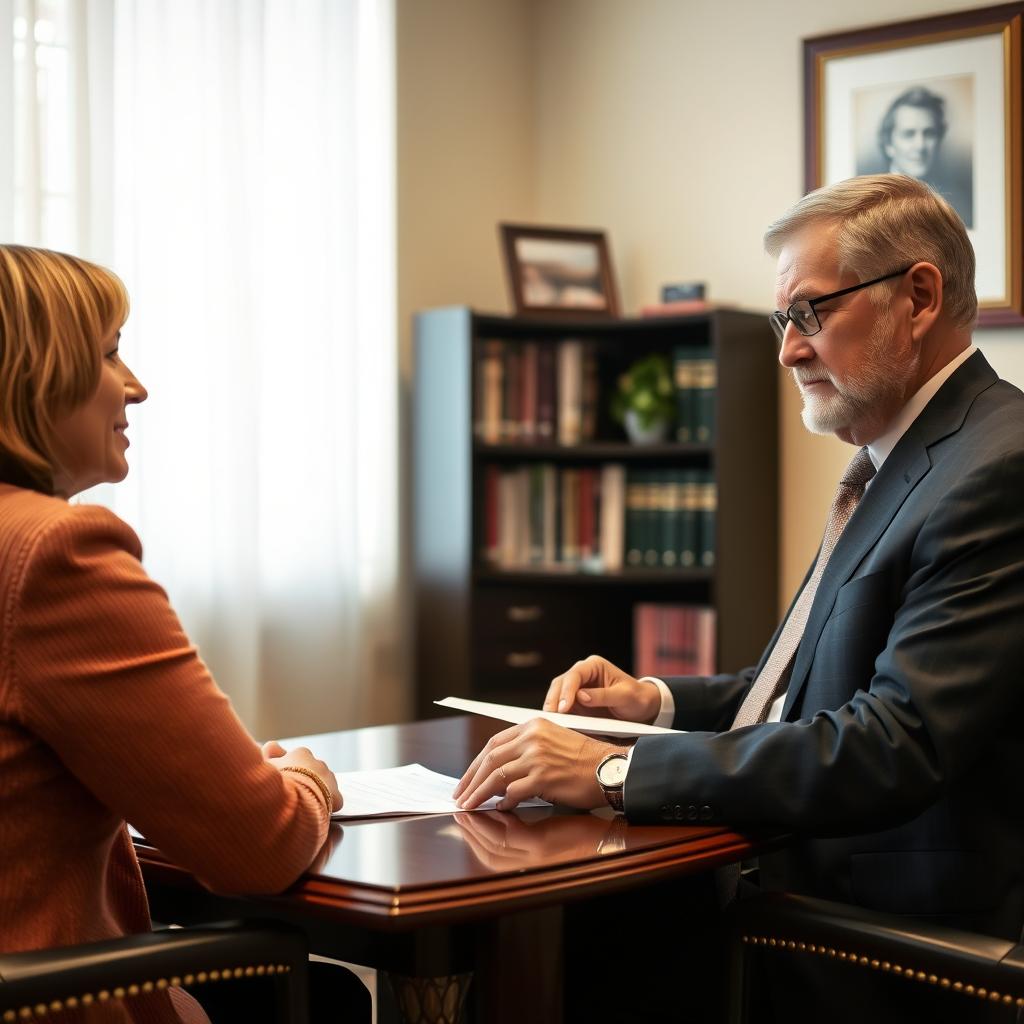
Contract Negotiation Lawyer York County
A Contract Negotiation Lawyer York County protects your business and personal interests in Virginia. Law Offices Of SRIS, P.C. —Advocacy Without Borders. We draft, review, and enforce agreements under Virginia contract law. Our York County Location provides direct access to local courts and procedural knowledge. We secure favorable terms and resolve disputes before they escalate. (Confirmed by SRIS, P.C.)
Statutory Definition of Contract Law in Virginia
Virginia contract law is primarily governed by common law and specific statutes like the Virginia Uniform Commercial Code. A contract requires an offer, acceptance, and consideration to be legally binding. Breach of contract occurs when one party fails to perform its duties under a valid agreement. The remedies for breach are established by Virginia Code § 8.01-1 et seq. These statutes define the legal framework for enforcement and damages. Contract disputes in York County are heard in the local Circuit or General District Court. The specific court depends on the amount in controversy and the relief sought. Understanding these statutes is the first step in any negotiation or dispute.
Virginia contract law is a combination of statutory code and judicial precedent. The Virginia Uniform Commercial Code (UCC), codified in Title 8.9A, governs transactions involving the sale of goods. For other contracts, common law principles apply. Key statutes include Virginia Code § 11-1, which addresses the statute of frauds requiring certain contracts to be in writing. Virginia Code § 8.01-246 provides the statute of limitations for filing a breach of contract lawsuit. For written contracts, the limit is generally five years. For oral contracts, it is three years. These time limits are strict and bar claims filed after the period expires. The maximum penalty in a contract case is not jail time but monetary damages. Damages are calculated to put the injured party in the position they would have been in had the contract been performed. This can include compensatory damages, consequential damages, and in rare cases, punitive damages for egregious conduct. Specific performance, where a court orders the contract to be fulfilled, is another potential remedy. This is common in real estate or unique goods cases.
What is the statute of limitations for breach of contract in York County?
The statute of limitations for a written contract lawsuit in Virginia is five years. This deadline is strictly enforced by York County courts. The clock starts ticking from the date of the alleged breach. Missing this deadline will result in your claim being dismissed. You must file your lawsuit in the correct court before the time expires.
Does Virginia require contracts to be in writing?
Virginia’s statute of frauds requires certain contracts to be in writing to be enforceable. This includes contracts for the sale of real estate, like property in York County. It also includes agreements that cannot be performed within one year. Contracts for the sale of goods over $500 also typically require a writing. A verbal agreement for these matters may not hold up in court.
What are the common types of contract disputes in York County?
Common disputes involve business partnership agreements, commercial leases, and construction contracts. Real estate purchase agreements are also frequently litigated in the area. Service contract disputes and issues with non-compete agreements occur regularly. Many disputes stem from poorly drafted terms or a complete lack of a written agreement. A clear, well-negotiated contract prevents most of these problems.
The Insider Procedural Edge in York County Courts
Contract disputes in York County are filed in either the Circuit Court or the General District Court. The York County/Poquoson Circuit Court is located at 300 Ballard Street, Yorktown, VA 23690. The choice of court is dictated by the amount of damages claimed. For claims exceeding $25,000, you must file in the Circuit Court. For claims of $25,000 or less, the General District Court has jurisdiction. Each court has distinct procedural rules and timelines. The Circuit Court process is more formal and involves greater discovery. General District Court procedures are simplified for smaller claims. Knowing where and how to file is a critical strategic decision.
The filing fee for a civil warrant in General District Court is approximately $86. The filing fee for a civil complaint in Circuit Court is approximately $177. These fees are subject to change and additional costs for service of process apply. The timeline from filing to trial can vary significantly. In General District Court, a trial date may be set within a few months. In Circuit Court, the process often takes a year or more due to pre-trial procedures. Local procedural rules in York County require strict adherence to deadlines for pleadings and motions. Failure to comply can result in your case being dismissed. The court’s temperament favors preparedness and conciseness. Judges expect parties to be familiar with the local rules and the facts of their case.
How long does a contract lawsuit take in York County?
A contract case in York County General District Court can resolve in three to six months. A more complex case in Circuit Court often takes twelve to eighteen months. The timeline depends on the court’s docket and the complexity of the dispute. Pre-trial motions and discovery can extend the process considerably. Settlement negotiations can shorten the timeline at any point.
What are the court costs for a contract dispute?
Filing fees start at $86 in General District Court and $177 in Circuit Court. Additional costs include fees for serving legal papers on the other party. Court reporter fees for transcripts and copying costs also add up. If you lose, you may be ordered to pay the other side’s costs. These financial realities make strong initial negotiation even more critical.
Penalties, Remedies, and Defense Strategies
The most common remedy in a contract case is an award of monetary damages to the injured party. Damages are not a penalty but compensation for the loss suffered. The court calculates the amount needed to make the plaintiff whole. This includes direct losses and sometimes foreseeable consequential losses. In cases involving fraud or specific performance, other remedies are available. The goal is to enforce the bargain the parties made.
| Offense / Breach Type | Typical Remedy / Penalty | Notes |
|---|---|---|
| Breach of Business Contract | Compensatory Damages | Covers lost profits and costs incurred. |
| Breach of Real Estate Contract | Specific Performance or Damages | Court may force sale or award difference in value. |
| Failure to Pay for Services | Amount Owed Plus Interest | Statutory interest may apply from due date. |
| Fraud in the Inducement | Rescission and/or Punitive Damages | Contract can be voided; extra damages for deceit. |
| Breach of Non-Compete Agreement | Injunction and Damages | Court order to stop activity, plus financial loss. |
[Insider Insight] York County prosecutors in criminal matters focus on intent and evidence. In civil contract disputes, local judges scrutinize the clarity of the agreement’s terms. Ambiguous language is often interpreted against the party who drafted the contract. Judges here expect parties to attempt good-faith negotiation before trial. They are not sympathetic to parties who create unnecessary litigation over clear terms. A strong defense often hinges on proving the contract was ambiguous, performance was satisfied, or the other party failed to mitigate damages.
What is the difference between compensatory and consequential damages?
Compensatory damages cover the direct financial loss from the breach. This is the value of the unperformed part of the contract. Consequential damages cover indirect losses that were foreseeable. These are losses that flow from the breach, like lost business opportunities. Consequential damages are harder to prove and recover in York County courts.
Can I be forced to perform a contract in York County?
A court can order specific performance for unique contracts like real estate deals. The York County Circuit Court will not order specific performance for common goods or services. Money damages are the standard remedy for most breach of contract cases. The court must find that monetary damages are an inadequate remedy. This is a high legal standard to meet.
Why Hire SRIS, P.C. for Your York County Contract Negotiation
Our lead contract attorney for York County matters has negotiated over 200 business agreements in Virginia. This attorney focuses on pre-litigation strategy to keep clients out of court. We draft clear, enforceable contracts that anticipate and prevent disputes. When litigation is unavoidable, we have a record of securing favorable settlements and judgments. Our goal is to protect your assets and business relationships from costly legal battles.
Primary York County Contract Attorney
Experience: 15+ years in Virginia contract law and business litigation.
Credentials: Extensive background in drafting commercial leases, partnership agreements, and service contracts.
Local Knowledge: Direct experience with the procedures of York County Circuit and General District Courts.
Approach: Strategic focus on risk mitigation and achieving client business objectives through precise drafting.
SRIS, P.C. has a dedicated Location serving York County and the surrounding region. Our team understands the local business environment and legal expectations. We do not just react to disputes; we help you structure deals to avoid them. Our attorneys analyze every clause for potential risk and future enforcement. We provide direct, practical advice on what terms are negotiable and which are essential. This proactive approach saves clients significant time and money. For support with related matters, our network includes skilled Virginia family law attorneys who handle marital agreements.
Localized Contract Negotiation FAQs for York County
What should I look for in a business contract lawyer in York County?
Look for a lawyer with specific experience in Virginia contract law and local court procedures. They should have a practice focused on drafting and negotiating agreements, not just litigation. Knowledge of York County’s business area is a significant advantage.
How much does it cost to hire a contract negotiation lawyer?
Costs vary based on complexity. Many lawyers charge an hourly rate for negotiation and drafting. Some may offer flat fees for standard contract reviews. Always discuss fees and billing structure during your initial Consultation by appointment.
Can a lawyer help me get out of a bad contract in Virginia?
Yes, if grounds exist like fraud, duress, mistake, or illegality. A lawyer can review the contract and Virginia law to identify valid exit strategies. This may involve sending a formal rescission notice or negotiating a mutual termination.
What is the most common mistake in contract negotiations?
The most common mistake is failing to put the entire agreement in writing. Relying on verbal promises or unclear terms leads to disputes. Another critical error is not defining key terms like “completion” or “satisfactory performance.”
How can I enforce a contract against someone in York County?
You enforce a contract by filing a lawsuit for breach in the appropriate York County court. You must prove the contract’s existence, the breach, and your damages. A lawyer will handle the filing, service, and litigation process for you.
Proximity, Contact, and Final Disclaimer
Our York County Location provides strategic access for clients throughout the region. We are positioned to serve businesses and individuals in Yorktown, Poquoson, and surrounding communities. Procedural specifics for York County are reviewed during a Consultation by appointment at our York County Location. For immediate guidance on your contract matter, contact our legal team.
Consultation by appointment. Call 757-464-9224. 24/7.
Law Offices Of SRIS, P.C.
Advocacy Without Borders.
For other legal challenges, our firm provides criminal defense representation across Virginia. Learn more about our experienced legal team and their backgrounds.
Past results do not predict future outcomes.