
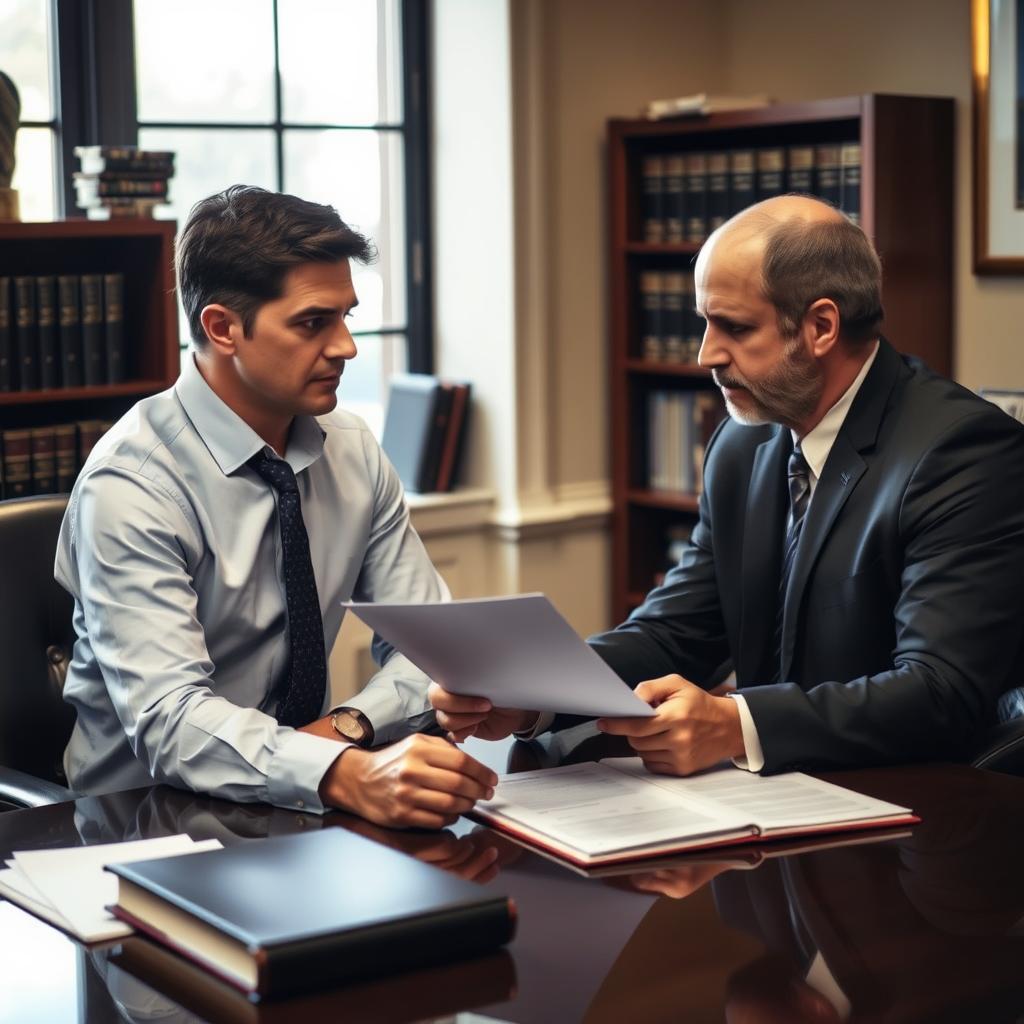
Defamation Lawyer Henrico County
You need a Defamation Lawyer Henrico County to handle false statements harming your reputation. Law Offices Of SRIS, P.C. —Advocacy Without Borders. Virginia law treats defamation as a civil tort, not a crime, allowing you to sue for damages. The Henrico County Circuit Court handles these lawsuits. SRIS, P.C. has a Location in Henrico County to manage your case. (Confirmed by SRIS, P.C.)
Statutory Definition of Defamation in Virginia
Virginia defamation law is governed by common law principles and specific statutes, primarily treating it as a civil tort for which you can recover damages. While there is no single criminal defamation statute, related offenses like harassment by computer under § 18.2-152.7:1 can apply to online libel. The core action is a lawsuit for monetary compensation filed in circuit court.
Defamation in Virginia is the publication of a false statement of fact that harms someone’s reputation. Libel is written defamation. Slander is spoken defamation. To win a case, you must prove the statement was false, published to a third party, caused harm, and was made with the requisite level of fault. For public figures, you must prove “actual malice,” meaning the speaker knew the statement was false or acted with reckless disregard for the truth. For private individuals, negligence is often the standard. Truth is an absolute defense. Statements of pure opinion are also generally protected.
A defamation claim requires proving four specific elements.
You must show a false statement was made about you. The statement must be presented as fact, not opinion. It must be communicated to someone other than you. This publication caused injury to your reputation. The level of fault required depends on your status as a public or private figure. These elements form the basis of any lawsuit in Henrico County.
Statements of opinion are generally protected speech.
Virginia courts distinguish between fact and opinion. An assertion that cannot be proven true or false is usually opinion. Calling someone a “bad businessman” may be opinion. Accusing someone of committing a specific crime like theft is an assertion of fact. The context of the statement matters greatly. This distinction is a primary defense strategy used by a Defamation Lawyer Henrico County.
Virginia recognizes several absolute and qualified privileges.
Statements made in judicial or legislative proceedings are absolutely privileged. Reports by credit agencies to interested parties have a qualified privilege. Communications between an employer and employee regarding job performance may be privileged. A qualified privilege can be lost if the statement was made with malice. Identifying applicable privileges is a critical early case analysis step.
The Insider Procedural Edge in Henrico County
The Henrico County Circuit Court, located at 4301 E. Parham Road, Henrico, VA 23228, handles all defamation lawsuits. This court has specific local rules and procedures that must be followed precisely. Filing a defamation suit requires careful drafting of the complaint to meet Virginia’s pleading standards. The timeline from filing to trial can span many months. Understanding the local judiciary’s tendencies is crucial.
You initiate a defamation case by filing a Complaint and a Civil Cover Sheet. The filing fee is set by the court. You must properly serve the defendant with the lawsuit papers. The defendant then has 21 days to file a responsive pleading. The case then proceeds through discovery, where both sides gather evidence. Motions may be filed to dismiss the case or for summary judgment. Most cases are resolved before a trial. If not, a trial date is set by the court. Procedural specifics for Henrico County are reviewed during a Consultation by appointment at our Henrico County Location.
The statute of limitations for defamation in Virginia is one year.
You have one year from the date the defamatory statement was published to file a lawsuit. The discovery rule may apply in limited circumstances. If you miss this deadline, your case will be barred permanently. A Defamation Lawyer Henrico County will immediately assess the timeline of your claim. This short deadline makes prompt action essential.
Discovery in a defamation case involves demanding relevant documents and testimony.
You can subpoena emails, social media posts, and text messages. Depositions of the defendant and witnesses are standard. You may hire experienced attorneys to testify about damages to your reputation. The defendant will seek evidence about your reputation and alleged damages. The discovery process is governed by the Virginia Rules of Evidence and local court rules.
Many defamation cases are resolved through pre-trial motions or settlement.
Defendants often file a Demurrer or Plea in Bar to challenge the legal sufficiency of the claim. A motion for summary judgment argues there is no genuine dispute of material fact. Settlement negotiations can occur at any point. SRIS, P.C. prepares every case for trial to maximize settlement use. This approach protects your interests throughout the litigation.
Penalties & Defense Strategies for Defamation Claims
The most common penalty in a successful defamation case is an award of monetary damages to the plaintiff. Damages are not fixed by statute and are determined by a judge or jury based on the evidence presented. The goal is to compensate the plaintiff for the harm suffered to their reputation and any resulting financial losses.
| Offense / Claim Type | Potential Penalty / Damages | Notes |
|---|---|---|
| General Defamation (Libel/Slander) | Compensatory Damages (Actual) | Covers proven harm to reputation, emotional distress, and lost income. |
| Defamation Per Se | Presumed Damages | Applies to statements accusing of crime, loathsome disease, professional incompetence, or unchastity. |
| Defamation with Actual Malice | Punitive Damages | Awarded to punish the defendant for reckless or knowing falsehood; capped under VA law. |
| Harassment by Computer (§ 18.2-152.7:1) | Class 1 Misdemeanor | Up to 12 months jail, $2500 fine; applies to electronic libel intended to harass. |
[Insider Insight] Henrico County prosecutors typically reserve criminal charges like harassment by computer for severe, repeated online campaigns causing measurable harm. For civil suits, local judges scrutinize damage claims closely, requiring concrete evidence of financial loss or reputational harm beyond mere embarrassment. They are less inclined to award high punitive damages without clear evidence of malicious intent.
Defense strategies begin with challenging the plaintiff’s ability to prove all required elements. A common defense is asserting the statement was true. Another is claiming the statement was a protected opinion. Privileges for certain communications can provide a complete defense. Demonstrating a lack of actual malice is key against public figure plaintiffs. Procedural defenses, like the statute of limitations, can bar the claim entirely. An experienced criminal defense representation team can also advise on intersecting criminal matters like online harassment.
Punitive damages are capped under Virginia law.
Virginia Code § 8.01-38.1 limits punitive damages to $350,000. This cap applies regardless of the compensatory damages awarded. The plaintiff must prove by clear and convincing evidence that the defendant acted with malice or conscious disregard. This legal limit is a critical factor in case valuation and settlement discussions.
A defamation judgment can have significant collateral consequences.
A public judgment can further publicize the false statements. The defendant may be ordered to issue a public retraction. The financial cost of a judgment can be substantial. For a business, a finding of defamation can impact commercial relationships. Managing these risks is part of a holistic legal strategy.
Insurance may cover some defamation claims.
Homeowners or renters insurance policies sometimes provide personal liability coverage. Business liability policies often cover defamation claims. Coverage depends on the specific policy language and the nature of the claim. An early case review should include an analysis of potential insurance coverage.
Why Hire SRIS, P.C. for Your Henrico County Defamation Case
Attorney Bryan Block brings direct experience as a former Virginia State Trooper to building and dissecting defamation cases. His background in law enforcement investigation provides a unique edge in gathering evidence and assessing witness credibility, which is fundamental to proving or defending against a defamation claim in Henrico County.
Bryan Block, Attorney. Former Virginia State Trooper. His investigative experience is applied to uncovering the facts in reputation damage cases. He understands how to present evidence effectively to Henrico County judges and juries.
SRIS, P.C. has a dedicated Location in Henrico County, providing immediate local access. Our attorneys are familiar with the Henrico County Circuit Court clerks, judges, and local rules. We have managed numerous civil litigation matters in this jurisdiction. This local presence allows for efficient case handling and responsive client communication. Our approach is direct and focused on achieving a clear resolution, whether through aggressive litigation or strategic negotiation. We prepare every case as if it will go to trial. This preparation gives our clients maximum use in all discussions. For related personal legal challenges, our Virginia family law attorneys can provide support.
We analyze the specific facts of your case to determine the strongest legal theory.
Every defamation case turns on its specific facts. We review all communications, context, and evidence of harm. We identify whether the case involves libel, slander, or potential criminal elements. We advise on the realistic value of your claim or your exposure. This factual analysis forms the foundation of your legal strategy.
Our firm deploys resources for thorough discovery and evidence collection.
We use subpoenas and discovery requests to obtain crucial electronic evidence. We take depositions to lock in testimony. We consult with forensic experienced attorneys when necessary. We build a compelling narrative for the judge or jury. This careful evidence-gathering is essential for success.
Localized Defamation Law FAQs for Henrico County
What is the difference between libel and slander in Virginia?
Libel is written defamation. Slander is spoken defamation. The legal principles are similar, but libel is often easier to prove due to the permanent record.
Can I sue for defamation on social media in Henrico County?
Yes. False statements posted on Facebook, Twitter, or other platforms constitute publication. These cases often involve complex evidence issues. A reputation damage claim lawyer Henrico County can handle these challenges.
How much does it cost to hire a defamation lawyer?
Costs vary based on case complexity. Many attorneys work on an hourly rate or contingency fee basis. SRIS, P.C. discusses fee structures during a Consultation by appointment.
What is “defamation per se” under Virginia law?
It involves statements so harmful that injury is presumed. Categories include accusations of a crime, having a loathsome disease, professional incompetence, or unchastity. Plaintiffs do not need to prove specific monetary damages.
How long does a defamation lawsuit take in Henrico County?
A direct case may settle in months. Contested cases going through full discovery and trial can take a year or more. The timeline depends on court schedules and case complexity.
Proximity, Contact, and Essential Disclaimer
Our Henrico County Location is strategically positioned to serve clients throughout the region. We are accessible for meetings to discuss your defamation concerns. Consultation by appointment. Call 888-437-7747. 24/7.
Law Offices Of SRIS, P.C.—Advocacy Without Borders. SRIS, P.C. is a legal practice with a Location in Henrico County, Virginia. For matters requiring specific experience, such as a DUI defense in Virginia, we connect you with the appropriate attorney from our experienced legal team.
Past results do not predict future outcomes.