
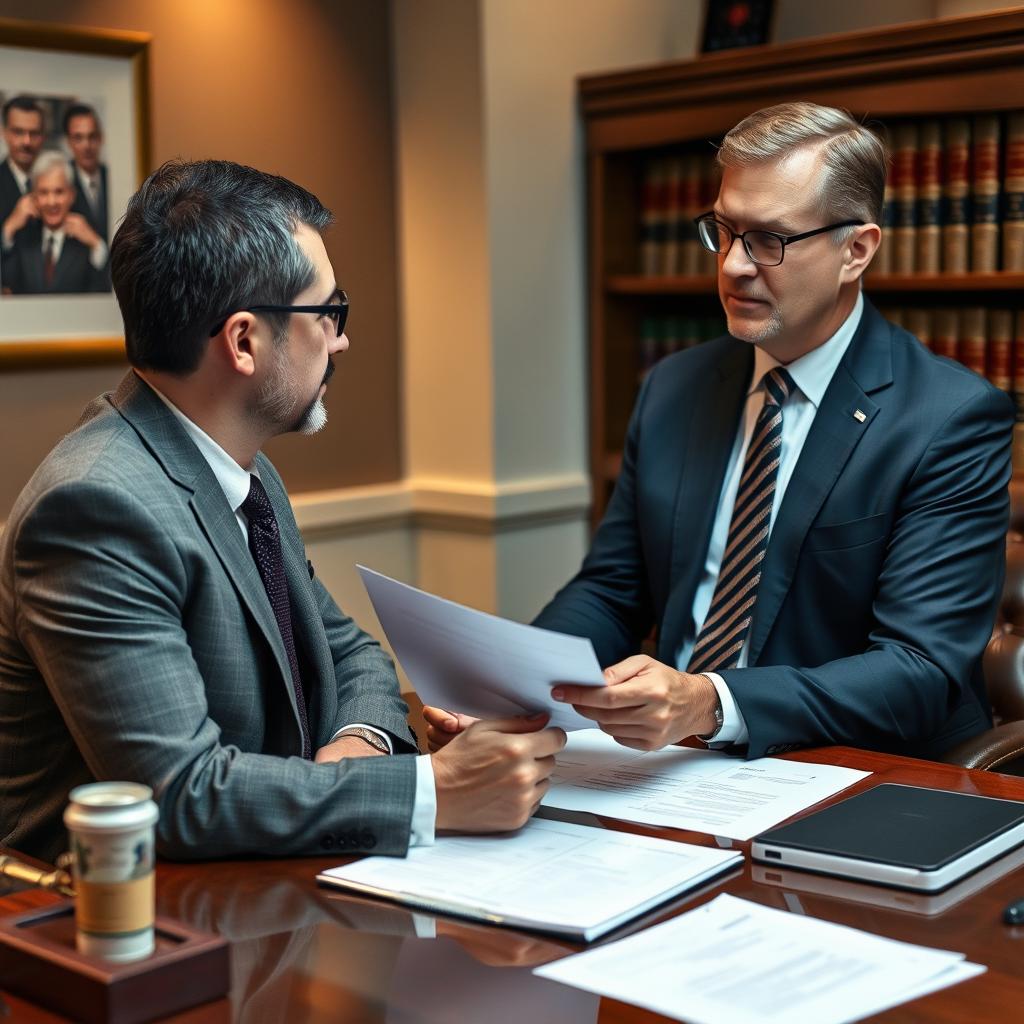
False Statements to a Federal Agent lawyer Near Me
If you are facing a charge of making false statements to a federal agent in Virginia, you need experienced defense counsel. Under 18 U.S.C. § 1001, it is a felony to knowingly and willfully make a materially false statement or representation in any matter within the jurisdiction of the federal government. The maximum penalty is five years in prison, and federal prosecutors investigate such cases actively. Law Offices Of SRIS, P.C. Concentrates its practice on federal criminal defense across Virginia, including representation before the U.S. District Courts for the Eastern and Western Districts. Mr. Sris and the firm’s Of Counsel attorneys bring extensive combined legal experience to false statement cases. Call (888) 437-7747 to schedule a consultation. Law Offices Of SRIS, P.C. – Advocacy Without Borders.
What False Statements to a Federal Agent Means in Virginia
A false statement charge under 18 U.S.C. § 1001 applies to any communication, whether oral or written, that is material and made within the jurisdiction of a federal department or agency. Federal agents from the FBI, DEA, IRS-CI, ATF, or other investigative bodies routinely conduct interviews where a misstatement can lead to criminal exposure. In Virginia, these cases are prosecuted by the United States Attorney’s Office for either the Eastern District of Virginia (EDVA), with divisions in Alexandria, Richmond, Norfolk, and Newport News, or the Western District (WDVA), which includes Roanoke. Because federal jurisdiction is broad, even a statement made during a routine background check or a voluntary interview can trigger an investigation. The government must prove that the statement was false, that the defendant acted willfully, and that the statement was material—that is, capable of influencing the agency’s decision. Defending against such charges requires a thorough understanding of federal criminal procedure and the specific investigative techniques used by federal agents.
A conviction for making false statements can result in incarceration, supervised release, and significant fines. Beyond the immediate sentencing exposure, a felony record can affect employment opportunities and professional licensing. In the federal system, there is no parole, and sentencing is governed by the advisory United States Sentencing Guidelines, which consider factors such as the nature of the offense and the defendant’s criminal history. Because federal cases often involve extensive documentary evidence and complex legal questions about materiality and willfulness, early engagement with an attorney who is familiar with federal practice in Virginia can be important. Mr. Sris and the firm’s Of Counsel attorneys have handled federal matters throughout the Commonwealth and can evaluate the strengths and weaknesses of the prosecution’s case.
How Mr. Sris and the Firm’s Of Counsel Attorneys Handle These Cases
When someone is charged with making a false statement to a federal agent, the defense strategy typically begins with a careful review of the circumstances under which the statement was made. Mr. Sris and the firm’s Of Counsel attorneys examine the investigative file, the agent’s notes, and any recordings to determine whether the statement was actually false, whether the defendant acted with the required willfulness, and whether the government can establish materiality. In many cases, the defense may involve challenging the sufficiency of the evidence or negotiating with the prosecutor to seek a dismissal or reduced charge.
Throughout the pretrial phase, the defense may file motions to suppress evidence obtained in violation of the defendant’s constitutional rights or to dismiss the indictment for lack of specificity. Because federal prosecutors have a high conviction rate, thorough preparation is essential. If a favorable resolution cannot be reached, Mr. Sris and the firm’s Of Counsel attorneys are prepared to take the case to trial. They bring experience in federal courtrooms across Virginia and are familiar with the local rules and practices of the EDVA and WDVA. The goal in every case is to work toward a favorable outcome while keeping the client informed at each stage of the proceedings.
About Mr. Sris and the Firm’s Of Counsel Attorneys
Mr. Sris is the Owner and Founder of Law Offices Of SRIS, P.C. A former prosecutor, he founded the firm in 1997 and concentrates his practice on complex criminal defense, including federal false statement cases. Mr. Sris is admitted to practice in Virginia, Maryland, the District of Columbia, New Jersey, and New York. He has testified before the Virginia House Courts of Justice Committee in support of 2019 HB 635 (chief patron Del. David Bulova). In addition to Mr. Sris, the firm’s Of Counsel attorneys bring additional experience to each matter. Every attorney on the team has extensive practice experience, and the firm’s collective knowledge is applied to the defense of each client. Together, Mr. Sris and the firm’s Of Counsel attorneys provide a multi-jurisdictional perspective that can be valuable in federal cases involving interstate or multi-agency investigations.
Frequently Asked Questions
What is considered a false statement to a federal agent?
Under 18 U.S.C. § 1001, a false statement to a federal agent is any knowingly false communication made in a matter within federal jurisdiction that is material. This can include statements made during an FBI interview, on a federal form, or to a regulatory agency. The statement does not need to be under oath; even an informal oral answer can be the basis for a charge. Materiality means the statement had the potential to influence the agency’s decision, even if the agency was not actually misled. The broad scope of this statute means that many interactions with federal officials can create legal risk.
What are the penalties for a conviction under 18 U.S.C. § 1001?
A conviction carries a maximum prison term of five years, and a fine may be imposed. Additionally, a felony conviction can result in collateral consequences such as loss of voting rights, firearm restrictions, and difficulty obtaining employment. The actual sentence is determined by the federal sentencing guidelines and the judge’s discretion. Because the federal system has no parole, a defendant will serve a substantial portion of any prison term imposed. Experienced defense counsel can advocate for a lower sentence by presenting mitigating factors.
How can a lawyer defend against false statement charges?
Defense strategies typically involve challenging the materiality of the statement, the defendant’s willfulness, or the government’s evidence. For example, if the statement was literally true but misleading, it may not satisfy the falsity element. An attorney may also argue that the defendant lacked the specific intent to deceive, or that the statement did not relate to a matter within federal jurisdiction. Procedural defenses, such as Miranda violations or unlawful interrogation tactics, may also be relevant. Each case is fact-specific, and an attorney will evaluate the case to determine the most effective approach.
What should I do if I am under investigation for making a false statement?
If you believe you are under investigation, you should immediately stop speaking to investigators and contact an attorney. Any statements you make during an interview can be used against you, even if you think they are helpful. Federal agents are trained to elicit incriminating responses. Ask to have your lawyer present before answering any questions. An attorney can communicate with the agency on your behalf and work to protect your rights during the investigation phase. To discuss your situation, reach Law Offices Of SRIS, P.C. at (888) 437-7747.
Do I need a federal criminal defense lawyer for these charges?
Yes, federal false statement charges require representation by an attorney who understands federal court procedures and the relevant statutes. Federal prosecutors have extensive resources, and the sentencing guidelines can be complex. An attorney can evaluate whether the government can prove each element, negotiate with the prosecutor, and if necessary, present a defense at trial. Law Offices Of SRIS, P.C. offers consultations to discuss your matter. Call (888) 437-7747 to schedule an appointment.
Related Practice Areas
Primary Sources
18 U.S.C. § 1001 | U.S. District Court for the Eastern District of Virginia | U.S. District Court for the Western District of Virginia
Attorney advertising. Prior results do not guarantee a similar outcome. Results may vary.
Case results depend on a variety of factors unique to each case.