
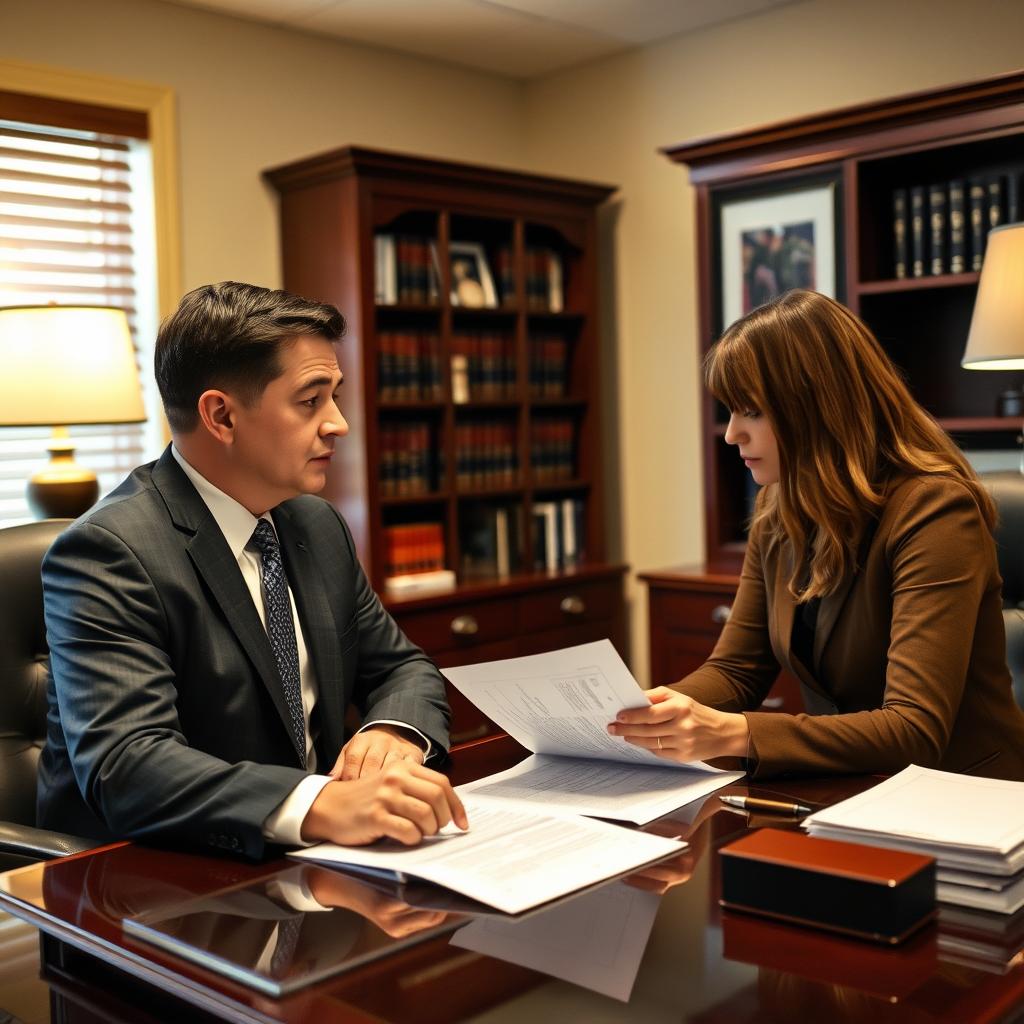
Fault Based Divorce Lawyer Gloucester County, VA
When a marriage ends because of marital misconduct, Virginia law allows a spouse to file for a fault-based divorce. In Gloucester County — Virginia’s Ninth Judicial District — fault grounds such as adultery, cruelty, desertion, and certain felony convictions can alter how property is divided, how spousal support is determined, and even the timing of the divorce itself. The Gloucester County Circuit Court, located at 7400 Justice Drive, Room 102, Gloucester, VA 23061, holds exclusive jurisdiction over divorce and equitable distribution matters, while the Gloucester County Juvenile and Domestic Relations District Court handles related custody, support, and protective orders. Mr. Sris and his Of Counsel represent clients pursuing or defending against fault-based divorce claims in these courts. To discuss your situation with an experienced family law team, contact Law Offices Of SRIS, P.C. at (888) 437-7747. Law Offices Of SRIS, P.C. – Advocacy Without Borders.
What Fault Based Divorce Means in Gloucester County
Virginia law recognizes both no-fault and fault-based divorce. Under Va. Code § 20‑91, fault grounds include adultery, cruelty, desertion for one year, and a felony conviction resulting in confinement for more than one year. Unlike a no‑fault divorce — which requires a six‑month or one‑year separation and a signed separation agreement — a fault‑based divorce carries no mandatory separation period for the innocent spouse. This can accelerate the process, but proving fault raises the stakes: the court may weigh marital misconduct when dividing property and awarding support.
Gloucester County Circuit Court, part of the Ninth Judicial District, hears all contested divorce and equitable distribution actions. In fault‑based cases, the spouse alleging fault must present clear and convincing evidence to meet the statutory burden. A finding of adultery, for example, may preclude an award of spousal support to the at‑fault spouse under Va. Code § 20‑107.1. Additionally, because Virginia is an equitable distribution state, the court considers the circumstances that contributed to the dissolution of the marriage when dividing marital assets. For residents of Gloucester, Gloucester Point, and the surrounding communities along Route 17 and the York River, having counsel who understands how the local bench applies these factors in practice is an important consideration.
How Mr. Sris and His Of Counsel Handle Fault Based Divorce Cases
In a fault‑based divorce, the focus is on gathering admissible evidence to support — or rebut — allegations of marital misconduct. Mr. Sris and his Of Counsel work to develop a thorough factual record, examining financial documents, communications, witness statements, and, where relevant, electronic evidence. Because adultery and cruelty claims often involve sensitive personal matters, the team approaches each case with discretion and an understanding of how such evidence plays out in a Gloucester County courtroom.
The process begins with a candid evaluation of the alleged fault ground and its potential impact on property division, spousal support, and custody. If the evidence supports a fault claim, the team may pursue an immediate filing without waiting for a separation period, seeking a pendente lite hearing for temporary relief where needed. If the client is defending against fault allegations, the strategy focuses on challenging the sufficiency and credibility of the evidence. Throughout the case, Mr. Sris and his Of Counsel work toward a resolution that protects the client’s financial interests and family relationships, whether through negotiation, mediation, or trial before the Gloucester County Circuit Court.
About Mr. Sris and His Of Counsel Team
Mr. Sris, Owner and Founder of Law Offices Of SRIS, P.C., has practiced family law since the firm’s founding in 1997. A former prosecutor, he brings an understanding of evidentiary burdens and courtroom advocacy to every matter. Mr. Sris testified before the Virginia House Courts of Justice Committee in support of 2019 HB 635 (chief patron Del. David Bulova), legislation that revised Virginia’s equitable distribution statute — Va. Code § 20‑107.3 — to address the division of retirement assets. That firsthand engagement with Virginia’s family‑law framework informs the firm’s approach to property division in fault‑based divorces.
Mr. Sris is joined by an Of Counsel team whose combined legal experience spans a range of practice areas. Each attorney is engaged through Excella and contributes to the firm’s multi‑state capabilities. Together, Mr. Sris and his Of Counsel bring extensive combined legal experience. Results may vary. The firm serves Gloucester County family law clients from its Richmond location. To request a consultation, call (888) 437‑7747.
Frequently Asked Questions
What is a fault‑based divorce in Virginia?
A fault‑based divorce is one in which the spouse asking for the divorce blames the other spouse’s marital misconduct — such as adultery, cruelty, desertion, or a felony conviction — for the end of the marriage. Proving fault can affect property division, spousal support, and the timeline of the divorce. Virginia law does not require a separation period when a fault ground is established. To discuss how fault might apply in your case, contact Law Offices Of SRIS, P.C. at (888) 437‑7747.
What are the fault grounds for divorce under Virginia law?
Under Va. Code § 20‑91, fault grounds include adultery, cruelty (including reasonable apprehension of bodily harm), willful desertion or abandonment for one year, and conviction of a felony with confinement of more than one year. Each ground requires different proof. Adultery, for instance, must be shown by clear and convincing evidence, and it can bar the at‑fault spouse from receiving spousal support. For guidance on your specific situation, reach Law Offices Of SRIS, P.C. at (888) 437‑7747.
How does a fault‑based divorce affect property division in Gloucester County?
Virginia is an equitable distribution state. The Gloucester County Circuit Court divides marital property fairly but not necessarily equally, considering eleven statutory factors under Va. Code § 20‑107.3. Marital fault is one of the factors the court may weigh. A spouse who has committed adultery or cruelty could receive a smaller share of the marital estate. Because these matters are fact‑intensive, speaking with an experienced family law attorney can help you understand what to expect.
Do I need a lawyer for a fault‑based divorce?
While you are not required to have a lawyer, fault‑based divorces involve complex evidentiary standards and procedural rules. Proving adultery or cruelty often demands witness testimony, financial records, and electronic evidence. A lawyer can help ensure that your rights to property and support are protected and that the evidence meets the court’s requirements. To discuss the details of your matter, contact Law Offices Of SRIS, P.C. at (888) 437‑7747.
How can a Gloucester County fault divorce lawyer assist with my case?
An attorney can help you evaluate whether you have sufficient evidence to prove a fault ground, file the complaint in the Gloucester County Circuit Court, seek temporary support or custody orders, and negotiate or litigate the division of property and support. If you are defending against fault allegations, a lawyer can challenge the evidence and work to protect your interests. For a consultation, reach Mr. Sris and his Of Counsel at (888) 437‑7747.
What if my spouse denies the fault allegations?
If your spouse contests the fault ground, the court will schedule a trial where you must present evidence to prove the allegations. The burden is on the spouse alleging fault, and the court will scrutinize the credibility of witnesses and documents. Preparing a strong case early is key. Contact Law Offices Of SRIS, P.C. at (888) 437‑7747 to discuss how an experienced family law team can help you build your case.
Primary source authorities:
Attorney advertising. Prior results do not guarantee a similar outcome. Case results depend on a variety of factors unique to each case. Results may vary.