
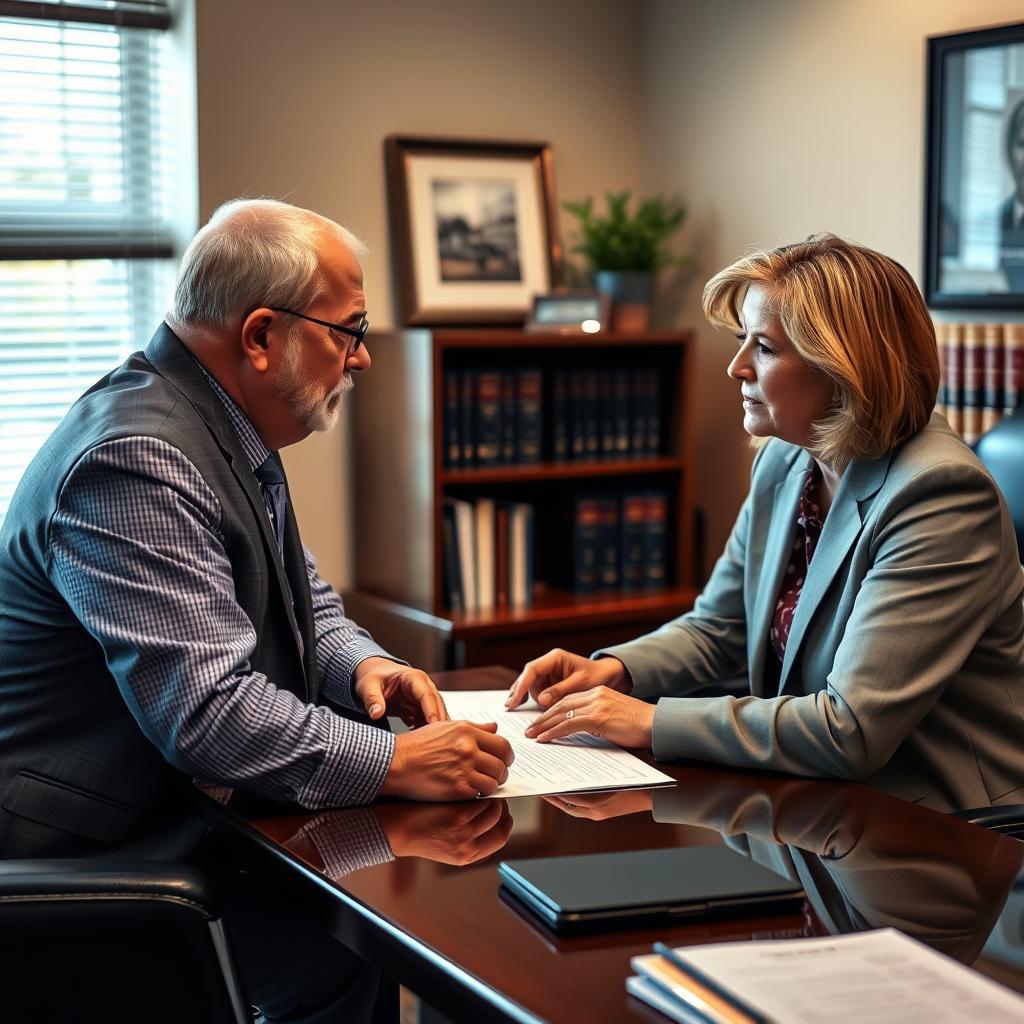
Franchise Lawyer York County, VA
Franchise relationships in York County, Virginia, rest on detailed contracts and the protections of the Virginia Retail Franchising Act. Whether you are buying a franchise, facing a dispute with a franchisor, or planning to franchise your own business, an attorney who concentrates in franchise law can help you understand your rights, negotiate terms, and resolve conflicts. At Law Offices Of SRIS, P.C., Mr. Sris and his Of Counsel have advocated for business owners and franchisees throughout Virginia for nearly three decades. They bring a practical, no‑nonsense approach to franchise disputes, working to safeguard your investment and business interests. For a consultation about your franchise matter, reach our location at (888) 437-7747. Law Offices Of SRIS, P.C. — Advocacy Without Borders.
What Franchise Law Means in York County
Franchise law in Virginia is shaped primarily by the Virginia Retail Franchising Act, Va. Code § 13.1‑557 et seq. This law requires franchisors to provide prospective franchisees with detailed disclosure documents and prohibits fraudulent or deceptive practices in the sale or operation of a franchise. It also gives franchisees the right to bring civil actions for damages, rescission of the agreement, or other relief when their rights are violated. York County businesses, from restaurants to retail outlets, operate within this framework, and disputes often end up before the York County Circuit Court.
York County’s economic landscape includes a mix of independent operators and national brand affiliates, particularly along the Route 17 corridor and near the Yorktown waterfront. Franchise disputes here can involve misrepresentation, territorial encroachment, royalty calculations, or failure to provide promised support. Because the Virginia Retail Franchising Act is administered through the State Corporation Commission, any franchise offering must be properly registered. Mr. Sris and his Of Counsel are familiar with how these statutory requirements play out in local courts, and they work to protect franchisees from unfair dealings.
How Mr. Sris and His Of Counsel Handle Franchise Cases
When a franchise dispute arises, Mr. Sris and his Of Counsel begin by analyzing the franchise disclosure document, the franchise agreement, and any communications between the parties. They look for violations of the Virginia Retail Franchising Act, breaches of contract, and potential claims of fraud or misrepresentation. Their goal is to resolve the matter efficiently—through negotiation when possible, and through litigation when necessary.
In court, they build cases grounded in the specific facts of your operation. For example, if a franchisor misrepresented projected earnings or failed to disclose material information, they marshal documentary evidence and expert testimony to demonstrate the violation. They also negotiate with franchisor counsel to seek corrections, compensation, or termination of the agreement when appropriate. Because franchise litigation can be document‑intensive and technical, having an attorney who concentrates in this area can make a significant difference in how your case is presented. The timeline for resolving a franchise dispute depends on the complexity of the matter and the court’s calendar; Mr. Sris and his Of Counsel pursue resolution with diligence while keeping clients informed at every stage.
About Mr. Sris and His Of Counsel Team
Mr. Sris, Owner and Founder of Law Offices Of SRIS, P.C., has been representing clients in Virginia courts since 1997. He is admitted in Virginia, Maryland, the District of Columbia, New Jersey, and New York. His background as a former prosecutor gives him a distinct perspective on courtroom advocacy, and he testified before the Virginia House Courts of Justice Committee in support of 2019 HB 635 (chief patron Del. David Bulova). Mr. Sris and his Of Counsel bring over 120 years of combined legal experience and have achieved 4,739+ documented firm-wide results. Results may vary.
Alongside Mr. Sris, the firm’s Of Counsel attorneys collectively handle a broad range of business and commercial disputes. While no attorney can guarantee a particular outcome, the team works methodically to develop sound legal strategies for York County franchisees and franchisors. Their approach emphasizes clear communication, careful document review, and assertive negotiation when disputes arise. All consultations are by appointment; contact the firm to discuss your situation.
Frequently Asked Questions
Do I need a lawyer to start a business in York County?
A business lawyer ensures proper entity formation, compliance with state registration, and protection of personal assets through correct corporate structure. While you are not required by law to hire a lawyer to start a business, an attorney can help you choose the right entity, draft operating agreements, and avoid pitfalls that could affect your company later. For franchise‑related startups, a lawyer can also review the franchise agreement to ensure it aligns with your business goals.
What is the Virginia Retail Franchising Act?
The Virginia Retail Franchising Act, found at Va. Code § 13.1‑557 et seq., is a state law that regulates the offer and sale of franchises in Virginia. It requires franchisors to provide prospective franchisees with a Franchise Disclosure Document before any sale and prohibits misrepresentations or fraudulent acts. If a franchisor violates the Act, a franchisee may be entitled to rescind the agreement or seek damages. Mr. Sris and his Of Counsel apply this law to protect the interests of York County franchisees.
How are franchise disputes resolved in Virginia?
Franchise disputes may be resolved through negotiation, mediation, or litigation. Many disputes arise over alleged misrepresentations, failure to support the franchisee, or improper termination. A Virginia franchise lawyer can review the franchise agreement, assess regulatory compliance under the Virginia Retail Franchising Act, and develop a strategy to pursue your objectives. Because each franchise agreement is unique, the specific approach depends on the contract language and the facts of the case.
What should I do if my franchisor is not honoring our agreement?
First, document everything: all communications, financial records, and any evidence of the franchisor’s failure to meet its obligations. Then, speak with an attorney who concentrates in franchise law. An attorney can evaluate whether the franchisor’s conduct breaches the contract or violates the Virginia Retail Franchising Act, and can help you decide whether to seek a negotiated solution or to file a lawsuit in York County Circuit Court.
Can a franchise lawyer help me negotiate a better franchise agreement?
Yes. Before you sign a franchise agreement, an experienced franchise lawyer can review the terms, identify provisions that may be one‑sided or ambiguous, and negotiate changes on your behalf. While some franchisors offer fixed-form agreements, many are open to reasonable modifications once a lawyer becomes involved. Early legal review can reduce the risk of costly disputes later.
What kind of damages can I recover in a franchise dispute?
Under the Virginia Retail Franchising Act, a franchisee who prevails in a dispute may recover actual damages, rescission of the franchise agreement, and, in some cases, attorneys’ fees and costs. The amount depends on the specific financial harm and the nature of the violation. Mr. Sris and his Of Counsel assess each case individually to determine the appropriate remedies and pursue the maximum recovery allowed by law.
Related pages: Business Law Lawyer James City County · Business Law Lawyer Williamsburg · Business Law Lawyer Fairfax County
Official sources: Virginia Code Title 13.1 · SCC business entity filings · Virginia Circuit Courts
Attorney advertising. Prior results do not guarantee a similar outcome. Case results depend on a variety of factors unique to each case. Results may vary.