
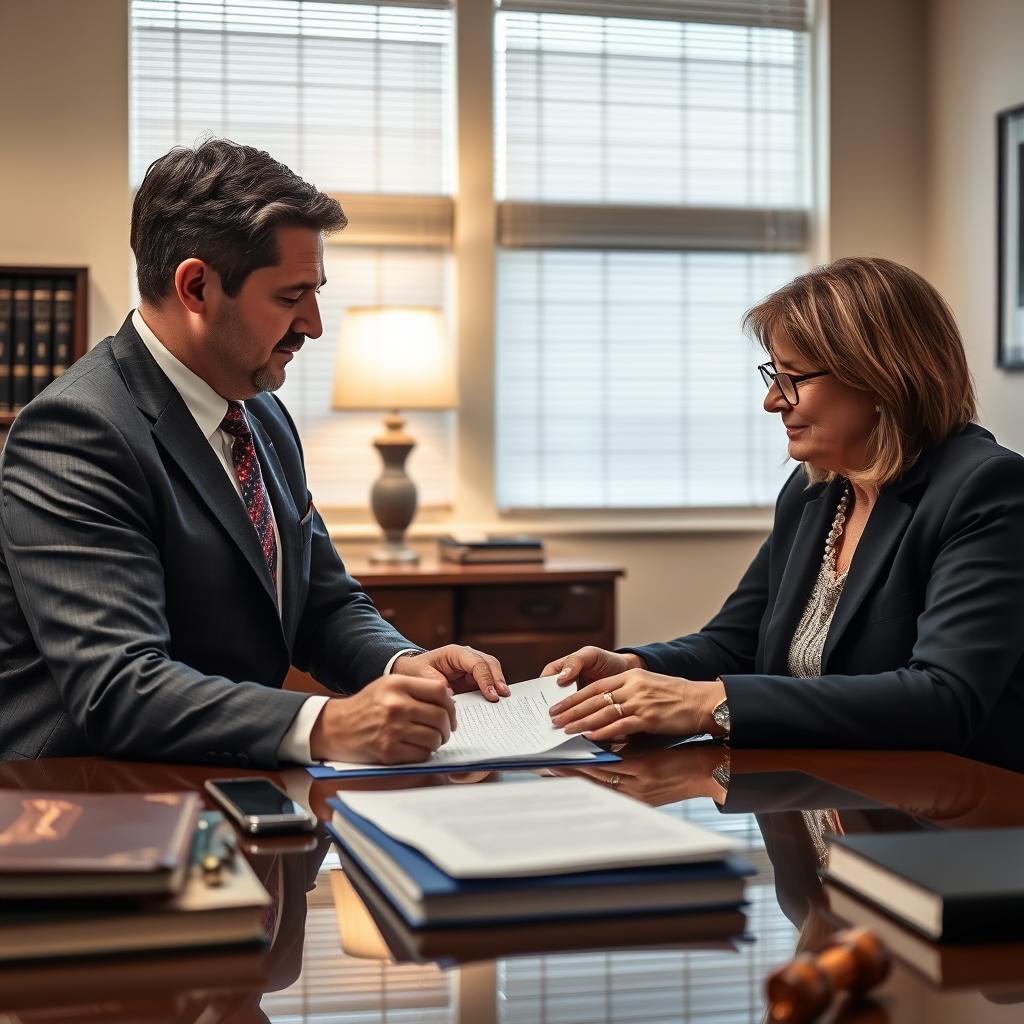
Landlord Tenant Lawyer Fluvanna County
You need a Landlord Tenant Lawyer Fluvanna County when facing an eviction or a dispute over your rights. Law Offices Of SRIS, P.C.—Advocacy Without Borders. provides direct legal defense for tenants and landlords in Fluvanna County. Virginia law provides specific procedures and protections for both parties. An attorney from our Fluvanna County Location knows these local rules. (Confirmed by SRIS, P.C.)
Virginia’s Landlord-Tenant Laws and Your Fluvanna County Case
The Virginia Residential Landlord and Tenant Act (VRLTA), primarily under Virginia Code § 55.1-1200 et seq., governs most rental agreements in Fluvanna County. This body of law classifies disputes as civil matters, with penalties including eviction, monetary judgments, and potential writs of possession. The maximum penalty for a tenant is a court-ordered eviction and a money judgment for all owed rent, damages, and legal fees. For a landlord, penalties include being sued for wrongful eviction and paying tenant damages plus attorney fees. The VRLTA outlines strict procedures for notices, repairs, security deposits, and eviction filings. Failure by either side to follow the code can decide the case. Understanding if your lease falls under the VRLTA is the first critical step. Many Fluvanna County leases are covered by this act. Specific sections like § 55.1-1245 detail the unlawful detainer (eviction) process. Other sections protect tenant rights to habitable conditions. A Landlord Tenant Lawyer Fluvanna County uses these statutes as the foundation for your defense or claim.
What are the main laws for eviction in Fluvanna County?
Evictions are controlled by the Virginia Unlawful Detainer statutes (§ 8.01-124 et seq.) and the VRLTA. A landlord must have a legal ground like nonpayment of rent or lease violation. They must then provide proper written notice as required by law. Only after the notice period expires can they file a summons for unlawful detainer in court.
How does Virginia law handle security deposit disputes?
Virginia Code § 55.1-1226 mandates landlords return security deposits within 45 days of lease termination. They must provide an itemized list of deductions for damages beyond normal wear and tear. Failure to comply can result in the landlord owing the tenant the full deposit plus damages.
What defines a “habitable” rental property under Virginia law?
The Virginia Maintenance Code and VRLTA (§ 55.1-1220) require landlords to maintain fit and habitable premises. This includes working heat, water, electricity, and sound structural components. Tenants must provide written notice of repairs needed. Landlords then have a reasonable time to make fixes.
The Insider Procedural Edge in Fluvanna County Court
Your case will be heard at the Fluvanna County General District Court, located at 132 Main Street, Palmyra, VA 22963. This court handles all unlawful detainer (eviction) cases and other landlord-tenant disputes for the county. Procedural facts are critical here. The court docket moves quickly, especially for evictions. Filing fees for an unlawful detainer summons are set by Virginia statute. You must file an Answer or grounds of defense within the strict timeframe on the summons. Missing this deadline can result in a default judgment for the other side. The timeline from filing to a hearing can be as short as a few weeks. Having a lawyer who knows the clerks and local procedures is a major advantage. SRIS, P.C. has a Location serving Fluvanna County. We understand the specific filing requirements and courtroom expectations in Palmyra. We prepare all necessary documents correctly from the start. This avoids costly delays or dismissals on technicalities. Learn more about Virginia legal services.
What is the typical timeline for an eviction case in Fluvanna County?
An eviction case can move from notice to a writ of possession in about four to eight weeks. After filing, the first hearing is usually set within 15-21 days. If the tenant loses, the landlord can request a writ of possession within a few days. The sheriff then schedules the physical eviction.
Where do I file a landlord tenant lawsuit in Fluvanna County?
All eviction and most monetary disputes are filed at the Fluvanna County General District Court clerk’s Location. The address is 132 Main Street in Palmyra. For appeals or cases demanding over $25,000, you would file at the Fluvanna County Circuit Court.
Penalties & Defense Strategies for Fluvanna County Residents
The most common penalty range for tenants is an eviction judgment plus a money judgment for back rent and court costs. For landlords, common penalties include paying a tenant’s relocation costs and attorney fees for illegal actions.
| Offense | Penalty | Notes |
|---|---|---|
| Tenant Nonpayment of Rent | Eviction + Judgment for all owed rent + late fees + court costs + possible attorney fees. | Landlord must provide a proper 5-Day Pay or Quit notice first. |
| Landlord Wrongful Eviction (Self-Help) | Tenant may recover actual damages, statutory damages up to 3 months’ rent, and attorney fees. | Illegal under VRLTA § 55.1-1248. Landlord must use court process only. |
| Tenant Lease Violation (e.g., unauthorized pet) | 21-Day Notice to Cure or Quit. If not cured, eviction and judgment for damages. | Landlord must prove the violation and that notice was given. |
| Landlord Failure to Return Security Deposit | Landlord liable for full deposit plus damages equal to the deposit amount. | Applies if landlord misses 45-day deadline or fails to provide itemized statement. |
| Landlord Failure to Maintain Habitable Conditions | Tenant may repair and deduct, withhold rent, or sue for damages and injunction. | Tenant must follow specific notice and procedure in § 55.1-1220. |
[Insider Insight] Fluvanna County prosecutors and judges see many landlord-tenant cases. They expect strict adherence to notice periods and filing rules. For tenants, demonstrating a sincere effort to pay or a legitimate repair issue can sometimes lead to a payment plan instead of immediate eviction. For landlords, having impeccable documentation of notices, leases, and communications is paramount. A sloppy filing or improper notice will get your case dismissed. A Landlord Tenant Lawyer Fluvanna County from SRIS, P.C. builds your case on this local expectation for procedural precision. Learn more about criminal defense representation.
What are the financial risks of losing a landlord tenant case?
Tenants risk a money judgment for all unpaid rent, damages, and the landlord’s legal fees. This judgment can be garnished from wages or bank accounts. Landlords risk paying a tenant’s attorney fees and statutory damages for wrongful acts.
Can a landlord tenant dispute affect my credit or rental history?
Yes. An eviction judgment is a public record and will appear on your credit report. It will severely damage your ability to rent in the future. Money judgments also negatively impact your credit score.
Why Hire SRIS, P.C. for Your Fluvanna County Landlord Tenant Issue
Our lead attorney for housing matters has over a decade of experience litigating Virginia’s landlord-tenant statutes in county courts.
Attorney Background: Our Virginia housing law team includes attorneys deeply familiar with the Fluvanna County General District Court. They have handled numerous unlawful detainer defenses and landlord breach of contract cases. They know how to argue for tenants facing hardship and for landlords needing to enforce valid lease terms. Learn more about DUI defense services.
SRIS, P.C. has achieved favorable results for clients in Fluvanna County. We approach each case with a direct strategy based on the facts and the law. Our firm differentiator is our network of Locations across Virginia. This gives us broad insight into judicial trends while providing local Fluvanna County representation. We do not waste time. We review your lease, notices, and correspondence immediately. We identify the core legal issue—whether it’s a defective notice, a habitability defense, or a deposit dispute. We then execute a clear plan to protect your rights. You need a lawyer who acts decisively. You need a Landlord Tenant Lawyer Fluvanna County from SRIS, P.C.
Localized FAQs for Fluvanna County Landlord Tenant Law
How long does a landlord have to fix problems in Fluvanna County?
A landlord has a “reasonable time” after written notice to make essential repairs. For critical issues like no heat or water, 14-30 days is often considered reasonable in Fluvanna County courts. For minor repairs, more time may be allowed.
What is a “5-Day Pay or Quit” notice in Virginia?
It is a written notice a landlord must give a tenant for nonpayment of rent. It gives the tenant five days to pay all rent owed or vacate the property. After five days, the landlord can file for eviction in Fluvanna General District Court.
Can I withhold rent for repairs in Fluvanna County?
Yes, but only under strict Virginia law procedures. You must provide written notice and allow the landlord a reasonable time to fix the issue. You may then pay rent into the court escrow account. Never simply stop paying rent without following the legal steps. Learn more about our experienced legal team.
How do I fight an eviction in Fluvanna County?
You must file a written Answer or “grounds of defense” with the Fluvanna General District Court clerk before your hearing date. In the document, state your legal defenses, such as improper notice or the landlord’s failure to make repairs. Appear at the hearing with your evidence.
What can a landlord deduct from my security deposit in Virginia?
A landlord can deduct for unpaid rent, damages beyond normal wear and tear, and costs listed in the lease. They cannot deduct for ordinary cleaning or painting needed due to normal use. An itemized statement of deductions is required by law.
Proximity, CTA & Disclaimer
Our legal team serves clients throughout Fluvanna County. The SRIS, P.C. Location serving Fluvanna County is strategically positioned to provide effective representation at the Fluvanna County General District Court in Palmyra. We are familiar with the local procedures and personnel. Consultation by appointment. Call 24/7. For immediate assistance with an eviction notice or tenant dispute, contact our team. Our phone number is (434) 509-0114. We will review the details of your situation directly. Do not wait until a sheriff’s eviction notice is posted on your door. The time to act is when you receive the first legal notice from your landlord or tenant. Call SRIS, P.C. now to schedule a case review.
Past results do not predict future outcomes.