
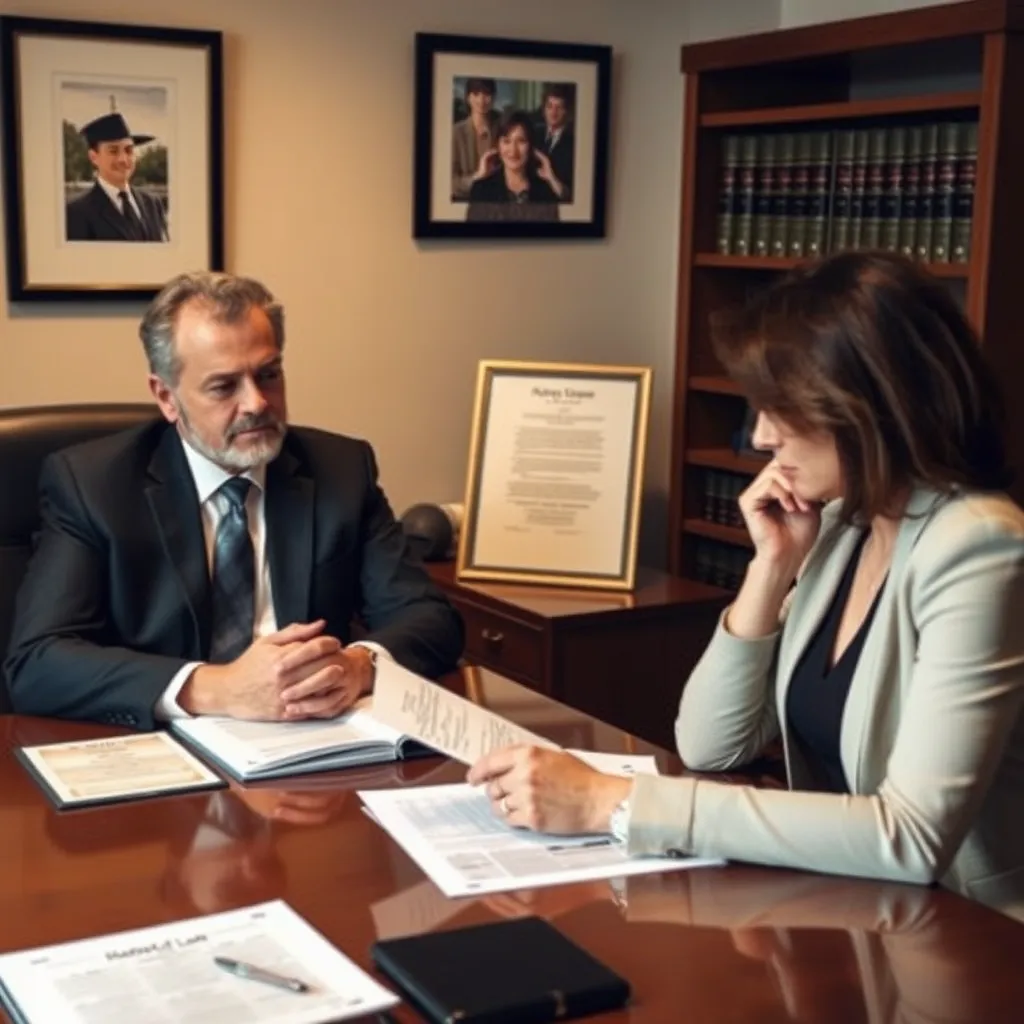
Marriage Annulment Lawyer Chesapeake, VA
If you are considering a marriage annulment in Chesapeake, Virginia, the matter proceeds through the Chesapeake Circuit Court at 307 Albemarle Drive. An annulment is a legal determination that a marriage was never valid from the start, distinct from a divorce that ends a valid marriage. Mr. Sris and his Of Counsel team at Law Offices Of SRIS, P.C. represent clients throughout Chesapeake, Deep Creek, Great Bridge, and Greenbrier in annulment proceedings under Virginia Code Title 20. To discuss your situation and how Virginia law may apply, contact the firm at (888) 437-7747. Law Offices Of SRIS, P.C. – Advocacy Without Borders.
What Marriage Annulment Means in Chesapeake, Virginia
In Chesapeake, a marriage annulment is a remedy that declares a marriage void or voidable based on circumstances existing at the time of the ceremony. Unlike a divorce, which recognizes a valid marriage and terminates it, an annulment treats the marriage as if it never legally occurred. Virginia Code § 20-89.1 sets out the statutory grounds, which include bigamy, impotence, fraud, duress, and mental incapacity, among others. The Chesapeake Circuit Court holds exclusive jurisdiction over annulment suits under Virginia law, meaning the case is filed in the same court that handles divorce and equitable distribution. A petitioner must meet the six‑month domiciliary residency requirement of § 20-97 before filing. Because the legal and practical consequences of an annulment differ significantly from a divorce—affecting property rights, spousal support, and even parentage—it is important to understand which path aligns with your circumstances. The Circuit Court at 307 Albemarle Drive is where Chesapeake annulment matters are heard, and local practice requires careful attention to pleading the specific legal basis for annulment in the complaint.
How Mr. Sris and His Of Counsel Handle Annulment Cases
When a client approaches Law Offices Of SRIS, P.C. about a possible annulment, Mr. Sris and his Of Counsel begin by examining the facts of the marriage and the ceremony. They determine whether the marriage is void—incapable of legal recognition from the beginning, such as a bigamous marriage—or voidable, meaning it can be annulled on a showing of a qualifying defect. The team gathers evidence, identifies witnesses, and evaluates whether fraud, duress, or incapacity can be proved to the court’s satisfaction. The process involves filing a complaint in the Chesapeake Circuit Court, serving the other party, and preparing for a hearing where the court will decide whether the marriage meets the statutory criteria for annulment. Mr. Sris and his Of Counsel work to present a clear, fact‑supported case while guiding the client through each procedural step. Every annulment is fact‑specific, and the approach is tailored to the particular grounds asserted.
About Mr. Sris and His Of Counsel Team
Mr. Sris, Owner and Founder of Law Offices Of SRIS, P.C., has practiced law since 1997 and is admitted in Virginia, Maryland, the District of Columbia, New Jersey, and New York. A former prosecutor, Mr. Sris brings trial experience to his family law practice. His Of Counsel team, all engaged through Excella, contributes additional perspectives and extensive combined legal experience in matters that include marriage annulment, divorce, and equitable distribution. Together, Mr. Sris and his Of Counsel serve clients in Chesapeake and across Virginia, focusing on careful preparation and clear communication. For a consultation about a Chesapeake annulment, contact the firm at (888) 437-7747. Results may vary.
Frequently Asked Questions
What grounds must exist to obtain an annulment in Virginia?
Virginia law lists several grounds for annulment under Va. Code § 20‑89.1. A marriage may be annulled if it was void from the start—because of bigamy, for example—or if a party’s consent was obtained by fraud, duress, or was otherwise invalid due to mental incapacity. Impotence, if unknown at the time of marriage, is also recognized as a ground. The court will not grant an annulment merely because the marriage was unhappy; the petitioner must produce evidence satisfying the specific statutory requirement. Because the burden of proof rests on the party seeking annulment, the quality of the evidence is critical.
How does annulment differ from divorce in Virginia?
A divorce ends a valid marriage and divides marital property under equitable‑distribution principles. An annulment, by contrast, declares that the marriage was never legally valid. As a result, property acquired during the relationship is not classified as marital property, and spousal support is generally not available. The choice between annulment and divorce has significant legal and financial consequences. A Chesapeake family law attorney can help you determine which remedy fits your circumstances after reviewing the facts of your case.
How long does an annulment case take in Chesapeake?
The timeline for an annulment in Chesapeake depends on the complexity of the issues and the court’s schedule. If the petition is uncontested and the facts are straightforward, the case may resolve more quickly than a contested matter that requires a full trial. The Chesapeake Circuit Court sets hearing dates based on its docket. After the evidence is presented, the judge issues a ruling. While some cases proceed efficiently, others require additional time when witnesses must be located or when the opposing party disputes the grounds.
Do I need a lawyer to file for annulment in Chesapeake?
You are not required to have a lawyer to file an annulment petition, but Virginia annulment law involves specific pleading requirements and evidentiary standards. The petitioner must prove the statutory ground for annulment to the court’s satisfaction, and procedural mistakes can delay or jeopardize the outcome. Mr. Sris and his Of Counsel handle annulment matters in Chesapeake and can evaluate whether the facts support the claim. To discuss your situation, contact Law Offices Of SRIS, P.C. at (888) 437‑7747.
What should I bring to an initial consultation about an annulment?
When meeting with an attorney about an annulment, it helps to bring any documents related to the marriage, such as the marriage certificate, any prior divorce decrees, and any evidence of the alleged ground (for instance, communications showing fraud or misrepresentation, or medical records if incapacity is at issue). Also provide identification documents and a brief written summary of the timeline of the relationship. Having this information ready allows the legal team to quickly assess whether a viable annulment claim exists under Virginia law.
Can an annulment affect child custody or support?
Yes. Even if a marriage is annulled, Virginia courts retain authority to determine custody, visitation, and child support for any children born during the relationship. The court decides these issues based on the best interests of the child under Va. Code § 20‑124.3, independent of the annulment ruling. Child support is calculated using the Virginia child support guidelines. An annulment does not relieve a parent of financial responsibility for a child, and the court will enter orders as needed to protect the child’s welfare.
Related pages: Fairfax County Family Law Lawyer | Fairfax City Family Law Lawyer | Falls Church Family Law Lawyer | Prince William County Family Law Lawyer | Manassas Family Law Lawyer
For additional statutory information, see the Virginia Code Title 20 (Domestic Relations) and the Virginia Judicial System.
Attorney advertising. Prior results do not guarantee a similar outcome. Results may vary.
Case results depend on a variety of factors unique to each case.