
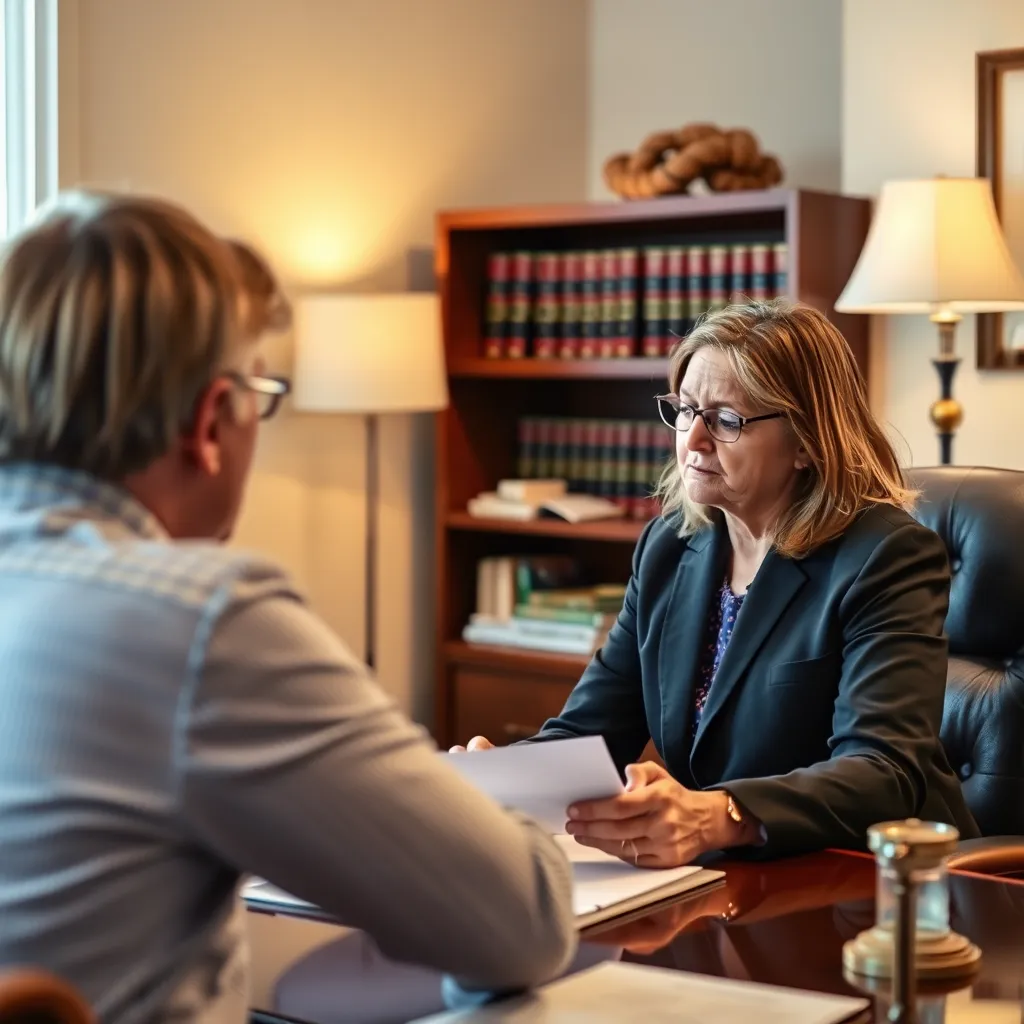
Minor Guardianship Lawyer Poquoson, VA
You are a grandparent in Poquoson. Your daughter’s marriage ended, and she is struggling to provide a stable home for your granddaughter. You want to step in — to make medical decisions, enroll her in school, and give her the day-to-day care she needs. A minor guardianship petition filed in the Poquoson Circuit Court can give you that legal authority. Law Offices Of SRIS, P.C. represents relatives, family friends, and other responsible adults seeking guardianship of a minor child in Poquoson and throughout Virginia. Mr. Sris, Our Owner and Founder, has practiced family law since 1997 and guides clients through the guardianship process with the support of his Of Counsel team. For a consultation about your situation, reach our firm at (888) 437-7747. Law Offices Of SRIS, P.C. — Advocacy Without Borders.
What Minor Guardianship Means in Poquoson
Minor guardianship in Virginia arises under Va. Code § 64.2‑2000 et seq., which permits a court to place a minor with a qualified adult when the child’s parents are unable or unwilling to provide adequate care. In Poquoson, an independent city on the Chesapeake Bay, guardianship petitions are filed in the Circuit Court at 500 City Hall Avenue. The judge considers the child’s best interests — examining the parents’ circumstances, the proposed guardian’s relationship with the child, and the stability the guardian can offer.
Because Poquoson is a small community within Virginia’s Eighth Judicial District, the local court docket moves at its own pace. Guardianship cases here often involve extended family members who live nearby, but the legal requirements are the same as in any Virginia Circuit Court. The petitioner must demonstrate that guardianship is necessary and that the proposed guardian is suitable. Law Offices Of SRIS, P.C., prepares the petition and supporting documentation — and appears with clients at the Poquoson courthouse, just off Route 171, to present their case. The court may also involve a guardian ad litem to independently assess the child’s situation.
How Mr. Sris and His Of Counsel Handle Minor Guardianship Cases
Mr. Sris and his Of Counsel begin by listening to the family’s story. They identify whether the matter can proceed on consent — some parents agree to the guardianship — or will be contested. With the client, they gather the required evidence: evidence of the parents’ circumstances, documentation of the child’s residence and medical needs, and character affidavits. The team then drafts and files the petition in the Poquoson Circuit Court, ensuring every detail complies with Virginia procedural requirements.
If a hearing is necessary, Mr. Sris and his Of Counsel prepare the client to testify and present the evidence. They cross-examine any opposing witnesses and argue for the guardianship under the statutory factors. Because every guardianship affects a child’s relationship with both parents and the broader family, the team approaches each case with thorough preparation. Throughout the process, clients have direct access to Mr. Sris and the Of Counsel team — they are not handed off to non-attorney staff.
About Mr. Sris and His Of Counsel Team
Mr. Sris is the Owner and Founder of Law Offices Of SRIS, P.C. A former prosecutor, he has practiced family law since 1997. He is admitted to the bars of Virginia, Maryland, the District of Columbia, New Jersey, and New York. Mr. Sris testified before the Virginia House Courts of Justice Committee in support of 2019 HB 635 (chief patron Del. David Bulova). His experience includes presenting guardianship cases in Circuit Courts across Virginia, including the Poquoson Circuit Court.
Mr. Sris is supported by his Of Counsel team — attorneys engaged through Excella who bring additional knowledge in family law, child welfare, and trial advocacy. Over 120 years of combined legal experience between Mr. Sris and his Of Counsel goes into every guardianship matter, together with 4,739+ documented firm-wide results. Results may vary. The team has a thorough understanding of Virginia guardianship statutes and the local court practices in Poquoson. Clients can verify Mr. Sris’s bar admissions online: Virginia State Bar · Maryland Judiciary · DC Bar · NJ Courts · NY OCA.
Frequently Asked Questions
What is minor guardianship in Virginia?
Minor guardianship is a legal arrangement in which a court appoints a responsible adult — often a relative — to care for a minor child and make decisions on the child’s behalf when the parents are unable or unwilling to do so. Under Va. Code § 64.2‑2000 et seq., the court evaluates the parents’ fitness and the child’s need for a stable guardian. The process is separate from custody and does not permanently terminate parental rights, though it can restrict them. Guardianship may be sought on an emergency or permanent basis depending on the urgency of the situation.
Do I need a lawyer for a minor guardianship case in Poquoson?
Virginia does not require you to hire a lawyer to file a minor guardianship petition, but the legal process involves detailed paperwork, strict procedural rules, and a hearing before a judge. Mistakes in the petition or insufficient evidence can delay or derail the case. An experienced guardianship lawyer can assemble the necessary documentation, prepare you to testify, and argue your position in court. Law Offices Of SRIS, P.C. handles minor guardianship matters in Poquoson and can guide you through each step.
How does the minor guardianship process work in Poquoson?
You begin by filing a petition for guardianship in the Poquoson Circuit Court. The petition must state the reasons guardianship is needed and provide information about the child, the parents, and the proposed guardian. After filing, the court schedules a hearing. In some cases, a guardian ad litem — an attorney appointed to represent the child’s interests — conducts an investigation and makes a recommendation. At the hearing, you present evidence and testimony. If the judge finds that guardianship is in the child’s best interests, they issue an order granting you legal authority. The timeline varies by case complexity and court scheduling.
What does the court consider when deciding minor guardianship?
The Circuit Court considers the best interests of the child. Key factors include the parents’ ability to provide care, any history of abuse or neglect, the emotional bond between the child and the proposed guardian, the guardian’s financial stability, and the child’s own preference if the child is old enough to express one. The court also reviews whether the proposed guardian is fit to serve and whether guardianship is necessary to protect the child’s well-being.
Can a parent object to the guardianship?
Yes. A parent has the right to object and contest the petition. When a parent objects, the matter becomes contentious, and a trial may be required. The court weighs the evidence presented by both sides. The presence of a parent who opposes the guardianship makes experienced legal representation particularly important. Mr. Sris and his Of Counsel have experience handling both agreed-upon and contested minor guardianship cases in Virginia.
How do I start a minor guardianship case in Poquoson?
The first step is to consult with a family law attorney who practices in the Poquoson Circuit Court. You will need to gather relevant documents — such as the child’s birth certificate, evidence of the parents’ situation, and a written statement explaining why guardianship is needed. Law Offices Of SRIS, P.C. can help you evaluate your circumstances, determine whether an emergency or permanent guardianship is appropriate, and file the petition. Reach our firm at (888) 437-7747 to schedule a consultation.
Attorney advertising. Prior results do not guarantee a similar outcome. Results may vary.
Case results depend on a variety of factors unique to each case.