
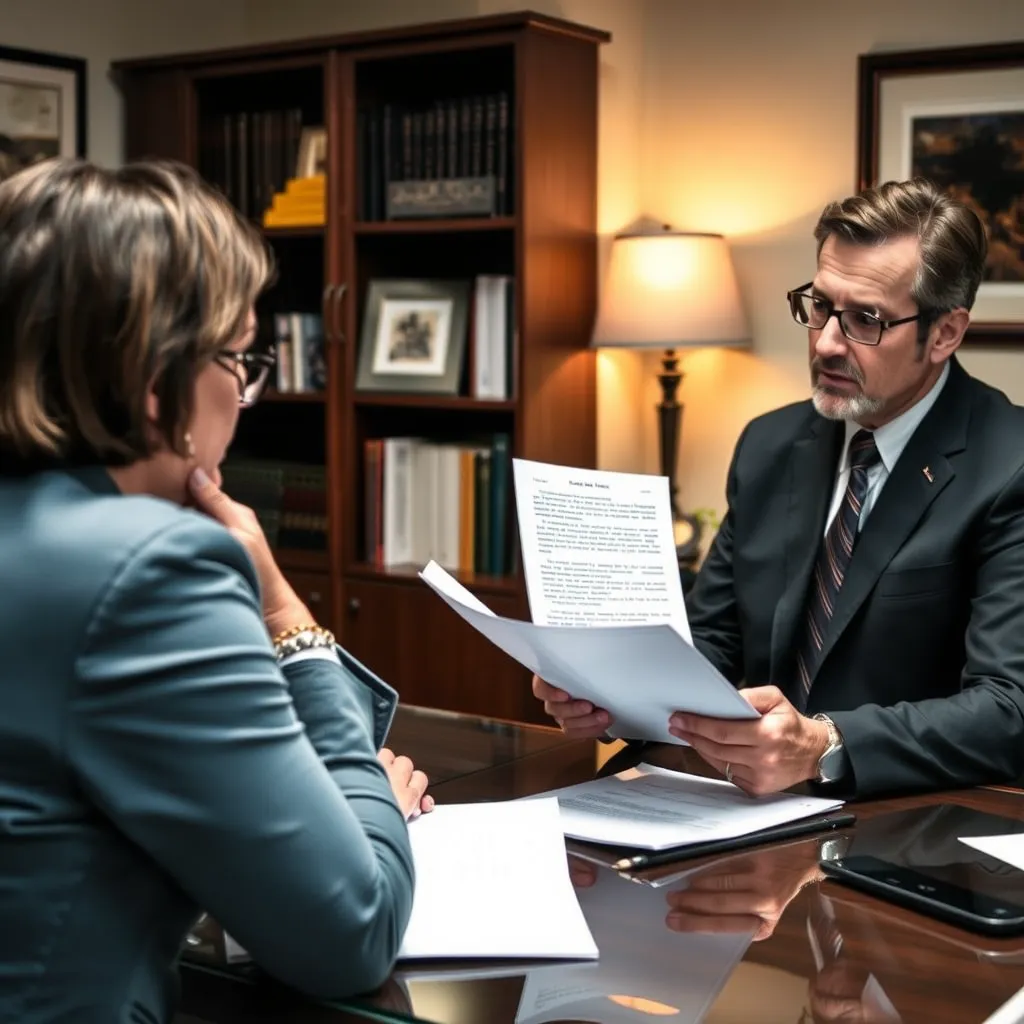
Paternity Lawyer Poquoson, VA
Paternity matters in Poquoson, Virginia, affect parental rights, custody arrangements, and child support obligations. Virginia law, primarily under Va. Code § 20‑49.1 et seq., sets out the process for establishing legal parentage when a child is born to unmarried parents. Mr. Sris, the Owner and Founder of Law Offices Of SRIS, P.C., concentrates his practice on family law and represents clients in Poquoson courts. The firm’s Richmond location serves individuals throughout the eastern Virginia region, including Poquoson. To request a consultation about a paternity issue, call (888) 437‑7747. Law Offices Of SRIS, P.C. — Advocacy Without Borders.
What Paternity Means in Poquoson, VA
Establishing paternity is the legal process that identifies a child’s legal father. Until paternity is legally acknowledged or adjudicated, a father has no enforceable rights to custody or visitation, and a mother has no right to seek child support from him. In Virginia, paternity can be established voluntarily through an acknowledgment of paternity or through a court proceeding when there is a dispute.
In Poquoson, paternity matters are typically heard in the Poquoson Juvenile and Domestic Relations District Court, particularly when they involve custody, visitation, or support. If the paternity question arises within a divorce action, the Poquoson Circuit Court has jurisdiction. Both courts sit at 500 City Hall Avenue, Poquoson, VA 23662. The process may involve genetic testing, a hearing, and a determination by the court based on the best interests of the child. Mr. Sris and his Of Counsel appear regularly in these courts and understand the local procedures.
How Mr. Sris and His Of Counsel Handle Paternity Cases
When a client contacts Law Offices Of SRIS, P.C. about a paternity matter, the firm begins with a thorough review of the facts and the applicable legal framework. The goal is to understand whether paternity establishment is being voluntarily pursued or contested. If both parties agree, the firm can help draft and file the necessary voluntary acknowledgment. If the alleged father denies paternity, the firm can seek a court order for genetic testing and represent the client’s interests at a hearing.
The process is shaped by the specific circumstances of each case. For a mother seeking child support, establishing paternity is a necessary first step. For a father who wishes to secure custody or visitation rights, a paternity adjudication opens the door to those claims. The firm handles the procedural requirements—filing petitions, responding to motions, and advocating at hearings—while keeping the client informed at each stage. Throughout, the emphasis is on working toward a resolution that serves the child’s well‑being and the client’s legal objectives.
About Mr. Sris and His Of Counsel Team
Mr. Sris, Owner and Founder of Law Offices Of SRIS, P.C., has practiced law since 1997. A former prosecutor, he draws on firsthand trial experience when handling family law disputes. He is admitted to practice in Virginia, Maryland, the District of Columbia, New Jersey, and New York. Mr. Sris testified before the Virginia House Courts of Justice Committee in support of 2019 HB 635 (chief patron Del. David Bulova).
Mr. Sris works alongside a team of Of Counsel attorneys who bring over 120 years of combined legal experience, supported by over 4,739 documented firm-wide results. Results may vary. Each Of Counsel attorney is an independent practitioner engaged through Excella, and they collaborate with Mr. Sris on complex family law matters. Together they provide a breadth of knowledge that benefits clients facing paternity issues in Poquoson and across Virginia.
Frequently Asked Questions
What is paternity and why does it matter in Virginia?
Paternity is the legal identification of a child’s father. Without established paternity, a father lacks legal rights to custody or visitation, and a mother cannot obtain a child support order from him. Virginia law treats paternity as a prerequisite for many parental rights and obligations. Whether you are a mother needing support or a father seeking a relationship with your child, formal paternity establishment is essential.
How is paternity established in Poquoson, Virginia?
Paternity may be established voluntarily by signing an Acknowledgment of Paternity under Va. Code § 20‑49.1, or through a court proceeding. The court process can be initiated by either parent or by the Virginia Department of Social Services. The Poquoson Juvenile and Domestic Relations District Court typically handles these petitions. If the alleged father contests paternity, the court may order genetic testing, and a hearing will determine legal parentage.
What if the alleged father denies paternity?
When a man denies being the biological father of a child, the court can order DNA testing. Virginia law allows the court to compel genetic testing through a simple motion. The results carry significant legal weight: if the test shows a probability of 98% or higher, the court may enter an order establishing paternity. An experienced attorney can help you navigate the petition and testing process and represent you at the hearing.
Do I need a lawyer for a paternity case?
You are not legally required to have an attorney, but paternity cases can involve complex issues of support, custody, and visitation that affect your family for years. An attorney can ensure the proper paperwork is filed, protect your rights during genetic testing, and advocate for a fair outcome. Mr. Sris and his Of Counsel at Law Offices Of SRIS, P.C. offer consultations to discuss your specific situation; reach the firm at (888) 437‑7747.
How does paternity affect child custody and visitation?
Once paternity is established, the father gains the right to petition for custody or visitation. Virginia courts determine these matters based on the best interests of the child under Va. Code § 20-124.3. The court will consider factors such as the child’s relationship with each parent and the ability of each parent to provide care. A paternity adjudication is the legal gateway that allows a father to seek an active role in the child’s life.
What happens if paternity is established after the child is born?
If paternity is established after the birth—whether voluntarily or by court order—the child gains the right to financial support, inheritance, and access to medical history from the father. The father may also be ordered to pay child support retroactive to the date of the filing. The court may address custody and visitation at the same time or in separate proceedings. It is important to take prompt action; delays can affect the outcome of support and custody determinations.
Related pages: Fairfax County Family Law Lawyer · Prince William County Family Law Lawyer · Manassas Family Law Lawyer · Fairfax City Family Law Lawyer · Falls Church Family Law Lawyer
Virginia Paternity Statute: Va. Code § 20‑49.1 et seq. — Paternity · Virginia Courts: Virginia Judicial System · Virginia Code Title 20 (Domestic Relations): Va. Code Title 20
Attorney advertising. Prior results do not guarantee a similar outcome. Results may vary.
Case results depend on a variety of factors unique to each case.