
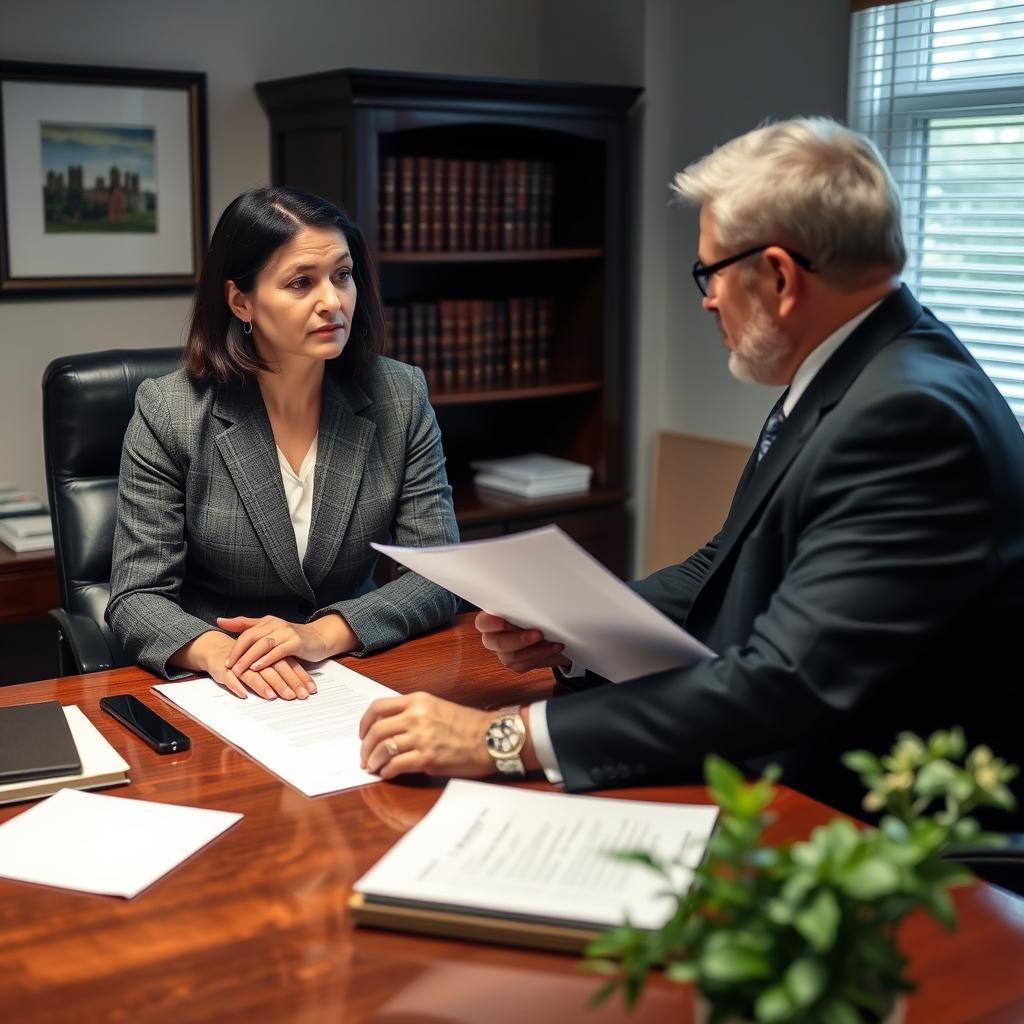
Permanent Alimony Lawyer Isle of Wight County, VA
Permanent alimony—spousal support that may continue for an indefinite period—is one of the most significant financial issues a Virginia divorce can present. In Isle of Wight County, alimony claims are resolved in the Circuit Court as part of equitable distribution, and the statutory factors that guide the court are demanding. Mr. Sris and his Of Counsel team at Law Offices Of SRIS, P.C. Concentrate a substantial portion of their family-law practice on alimony matters, including the litigation and settlement of claims for permanent spousal support. We represent clients from Smithfield, Windsor, Carrollton, and throughout Isle of Wight County. If you have questions about permanent alimony or any related issue, call (888) 437-7747 to request a consultation. Law Offices Of SRIS, P.C. — Advocacy Without Borders.
Understanding Permanent Alimony in Virginia
Virginia is an equitable-distribution jurisdiction. Under Va. Code § 20-107.1, a court may award spousal support for a defined duration, for rehabilitative purposes, or for an indefinite period—what is commonly called permanent alimony. Permanent alimony is not automatic; it requires a showing that the recipient spouse will be unable to be self-supporting even after a reasonable period of training or education, or that other exceptional circumstances warrant ongoing support. The factors in § 20-107.1 include the parties’ ages, health, earnings, needs, the standard of living established during the marriage, the duration of the marriage, and the contributions each spouse made to the family’s well-being. Because the analysis is intensely fact-specific, having an experienced attorney who understands how Isle of Wight County Circuit Court applies these factors can be critical.
Our Richmond location serves clients at the Isle of Wight County courthouse at 17122 Monument Circle, Suite A, Isle of Wight, VA 23397. Mr. Sris and his Of Counsel are familiar with local procedures and the expectations of the bench. Whether you are seeking permanent alimony or defending against a claim, we work to present a thorough, evidence-based argument grounded in the statutory factors and the financial realities of both parties.
Frequently Asked Questions
What is permanent alimony in Virginia?
Permanent alimony is spousal support awarded for an indefinite duration, often until the death or remarriage of the recipient or a material change in circumstances. It is distinct from temporary pendente lite support or rehabilitative support; the court must find that the requesting spouse cannot achieve self-sufficiency even with reasonable efforts.
How does the court decide whether to award permanent alimony?
Virginia Code § 20-107.1 lists thirteen factors the court must consider, including each party’s age, physical and mental condition, earning capacity, financial resources, the duration of the marriage, and the standard of living during the marriage. No single factor controls, and the weight given to each depends on the facts of the individual case.
What factors does the court consider under Virginia Code § 20-107.1?
The statutory factors include the obligations and needs of each party, the provisions made for property distribution, the time necessary for the recipient spouse to acquire sufficient education or training to find appropriate employment, tax consequences, contributions to the family, and any other factor the court deems relevant to a fair and just award.
Can permanent alimony be modified?
Yes. Either party may petition the court to modify spousal support upon showing a material change in circumstances, such as a significant change in income, the recipient’s remarriage, or a health event that alters earning capacity. The court retains jurisdiction to modify permanent alimony awards.
How is alimony enforced in Virginia?
If a former spouse fails to pay court-ordered alimony, the recipient may seek enforcement through contempt proceedings, income withholding orders, or judgments for arrearages. The court can impose sanctions for nonpayment, including requiring security for future payments.
What is the difference between permanent and rehabilitative alimony?
Rehabilitative alimony is designed to support a spouse while they obtain education or training to become self-sufficient and is limited in duration. Permanent alimony continues indefinitely and is appropriate when the recipient spouse is unlikely to become self-supporting despite rehabilitative efforts.
Do I need a lawyer for a permanent alimony case?
While you are not required to have an attorney, permanent alimony cases involve complex financial analysis, statutory factors, and evidentiary requirements. An experienced lawyer can help present your financial picture accurately, cross-examine attorneys, and advocate for an award or defense that is aligned with the law and the facts of your case.
How does the alimony process work in Isle of Wight County?
Alimony is typically resolved as part of a divorce or separate maintenance action filed in the Isle of Wight County Circuit Court. The process includes discovery of financial documents, possible pendente lite support motions, settlement negotiations, and, if no agreement is reached, a trial where the court applies the statutory factors to the evidence.
What if my spouse refuses to pay alimony?
A court-ordered alimony obligation is enforceable. If a paying spouse fails to pay, the recipient can file a show-cause petition. The court may find the nonpaying spouse in contempt and impose remedies designed to compel compliance, such as a wage garnishment or a payment plan supervised by the court.
Can alimony be terminated?
Permanent alimony typically terminates upon the death of either party or the remarriage of the recipient. It may also be terminated or reduced if the recipient cohabits in a marriage-like relationship or if a substantial change in circumstances makes continued support unjust. The paying spouse must petition the court to seek termination.
About Mr. Sris and His Of Counsel Team
Mr. Sris, Owner and Founder of Law Offices Of SRIS, P.C., has practiced family law since the firm’s founding in 1997. He is a former prosecutor and is admitted in Virginia, Maryland, the District of Columbia, New Jersey, and New York. Together with his Of Counsel, he brings over 120 years of combined legal experience to alimony and equitable-distribution matters. Results may vary. Mr. Sris and his Of Counsel have documented 4,739+ case results across all practice areas since 1997.
Attorney advertising. Prior results do not guarantee a similar outcome.
Results may vary.
Case results depend on a variety of factors unique to each case.