
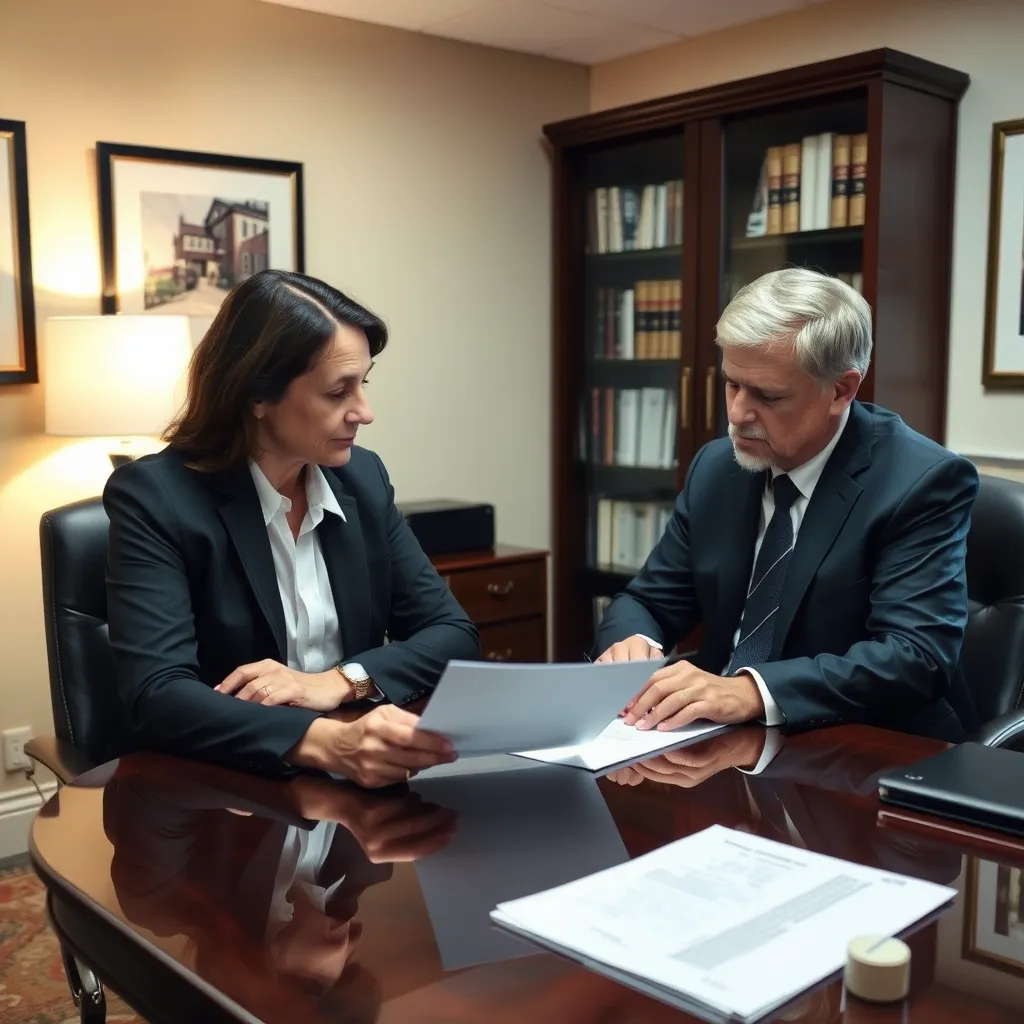
Note: This article is confirmed by Law Offices Of SRIS, P.C.
WRITTEN BY: Mr. Sris
Since 1997, Mr. Sris has led the firm, focusing on the most challenging criminal and family law cases… His background in accounting and information management aids in financial and technology-related cases… Involved in significant legislative changes in Virginia.
Insight: My focus since founding the firm in 1997 has always been directed towards personally handling the most challenging and involved criminal and family law matters our clients face.
Insight: I find my background in accounting and information management provides a unique advantage when handling the intricate financial and technological aspects inherent in many modern legal cases.
Insight: As someone deeply involved in the community, I believe it’s important to not only practice law but also to actively participate in shaping it, which is why I dedicated effort towards amending Virginia Code § 20-107.3 and achieving state recognition for cultural milestones.
Property Settlement Lawyer Henrico VA
What is Property Settlement
Property settlement refers to the legal process of dividing assets and debts when a marriage ends. In Virginia, this follows specific statutory guidelines that determine how property gets classified and distributed. The process begins with identifying all assets and liabilities accumulated during the marriage.
Virginia law distinguishes between marital property and separate property. Marital property includes assets acquired during the marriage, regardless of whose name appears on titles or accounts. Separate property involves assets owned before marriage, inheritances received individually, and gifts given specifically to one spouse. Proper classification requires thorough documentation and legal analysis.
The division process involves several steps. First, all assets get identified and listed. Next, each item receives valuation based on current market conditions. Then, property gets classified as marital or separate. Finally, distribution occurs according to equitable principles, considering factors like each spouse’s contributions and economic circumstances.
Legal representation helps manage this process effectively. Attorneys assist with gathering financial documents, valuing assets, and presenting arguments for fair distribution. They also help address involved situations involving businesses, retirement accounts, or real estate holdings. Professional guidance ensures compliance with legal requirements while protecting financial interests.
Real-Talk Aside: Property division often becomes contentious because money represents security. Clear documentation and legal standards help reduce emotional conflicts.
How to Handle Property Division
Handling property division effectively requires following established procedures while protecting financial interests. The process typically begins with complete financial disclosure between spouses. Both parties must provide documentation showing all assets, debts, income sources, and expenses accumulated during the marriage.
Financial documentation forms the foundation for property division. This includes bank statements, investment account records, real estate deeds, mortgage documents, retirement account statements, business valuations, and debt records. Comprehensive disclosure helps ensure all assets get identified and properly valued before distribution discussions begin.
Asset valuation represents the next vital step. Different assets require different valuation methods. Real estate may need professional appraisals. Businesses often require forensic accounting analysis. Retirement accounts need careful calculation of marital portions. Accurate valuations prevent disputes about asset worth during distribution negotiations.
Negotiation and mediation frequently resolve property division matters. Many couples work with attorneys to reach settlement agreements outside court. Mediation provides neutral facilitation for these discussions. Settlement agreements detail exactly how assets and debts get divided, including specific transfer procedures and timelines.
When agreements cannot be reached, court intervention becomes necessary. Judges consider statutory factors to determine equitable distribution. These factors include each spouse’s contributions to marital property, economic circumstances, duration of marriage, and age/health considerations. Court decisions establish binding distribution orders.
Real-Talk Aside: Complete financial transparency prevents later disputes. Hidden assets or undervalued property often cause prolonged legal battles.
Can I Keep Certain Assets
Asset retention questions commonly arise during property settlement discussions. The answer depends primarily on property classification under Virginia law. Separate property generally remains with the original owner, while marital property gets divided according to equitable distribution principles.
Separate property includes assets owned before marriage, inheritances received individually during marriage, gifts given specifically to one spouse, and certain personal injury awards. Documentation proving separate status helps protect these assets from division. However, commingling separate property with marital assets can change classification status.
Marital property encompasses assets acquired during marriage, regardless of title ownership. This includes homes purchased together, vehicles, furniture, bank accounts, investments, retirement benefits earned during marriage, and business interests developed during marriage. Marital property gets divided equitably, which means fairly rather than necessarily equally.
Negotiation plays a vital role in determining which spouse keeps specific assets. Couples often trade assets to achieve balanced settlements. For example, one spouse might keep the family home while the other receives equivalent retirement account value. Attorneys help clients understand trade-off implications and negotiate favorable arrangements.
Court decisions consider multiple factors when determining asset distribution. Judges examine each spouse’s contributions to asset acquisition, economic circumstances, marriage duration, and specific asset characteristics. Primary residences often receive special consideration regarding children’s living arrangements and stability needs.
Real-Talk Aside: Emotional attachment to assets sometimes clouds financial judgment. Practical considerations about maintenance costs and future value should guide retention decisions.
Why Hire Legal Help for Property Settlement
Hiring legal help for property settlement provides essential protection during a financially sensitive process. Attorneys bring knowledge of Virginia’s equitable distribution laws and practical experience with local court procedures. This combination helps clients achieve fair outcomes while avoiding common pitfalls.
Legal representation begins with proper case assessment. Attorneys review financial situations, identify potential issues, and develop strategic approaches. They explain legal rights and options clearly, helping clients make informed decisions about settlement goals and negotiation parameters.
Document management represents a significant attorney responsibility. Property settlement requires extensive financial documentation, including years of records. Attorneys help gather necessary documents, organize information systematically, and ensure complete disclosure occurs. Proper documentation prevents disputes about asset existence or value.
Valuation accuracy requires professional attention. Attorneys work with financial professionals to value involved assets like businesses, professional practices, retirement accounts, and real estate holdings. Accurate valuations form the foundation for fair distribution negotiations and prevent undervaluation or overvaluation disputes.
Negotiation skills prove valuable during settlement discussions. Attorneys represent client interests while maintaining professional communication with opposing counsel. They help structure proposals, evaluate counteroffers, and identify acceptable compromises. Effective negotiation often resolves matters without court involvement.
Court representation becomes necessary when agreements cannot be reached. Attorneys present evidence, examine witnesses, and make legal arguments before judges. They ensure proper procedures get followed and rights get protected throughout litigation. Court decisions establish binding property distribution orders.
Real-Talk Aside: Property settlement errors can affect finances for decades. Professional guidance provides protection against mistakes in classification, valuation, or distribution.
FAQ:
What qualifies as marital property in Virginia?
Marital property includes assets acquired during marriage regardless of title ownership. This covers income, real estate, vehicles, and retirement benefits earned during marriage.
How does Virginia divide property during divorce?
Virginia follows equitable distribution principles. This means fair rather than equal division based on statutory factors like contributions and economic circumstances.
What happens to separate property in divorce?
Separate property typically remains with the original owner. This includes pre-marriage assets, individual inheritances, and specific gifts received during marriage.
Can I keep the family home after divorce?
Home retention depends on multiple factors. These include ownership classification, mortgage responsibility, children’s needs, and overall settlement balance.
How are retirement accounts divided?
Retirement benefits earned during marriage represent marital property. Division requires qualified domestic relations orders for proper transfer procedures.
What if my spouse hides assets?
Hidden assets violate disclosure requirements. Forensic accounting can uncover concealed property, with courts imposing penalties for nondisclosure.
How long does property settlement take?
Timing varies based on case challenge. Simple agreements may take weeks while contested matters can require months or longer.
What costs are involved in property settlement?
Costs include attorney fees, court filing fees, and professional valuation expenses when needed for involved asset assessment.
Can we settle property matters without court?
Yes, many couples reach settlement agreements through negotiation or mediation without judicial involvement in distribution decisions.
What if we disagree on property values?
Valuation disputes often require professional appraisals. Independent attorneys provide objective assessments for contested asset values.
How does debt get divided in divorce?
Marital debt follows similar division principles as assets. Debts acquired during marriage generally get divided equitably between spouses.
What documentation is needed for property settlement?
Required documents include financial statements, tax returns, asset records, debt information, and income verification for complete disclosure.
Past results do not predict future outcomes