
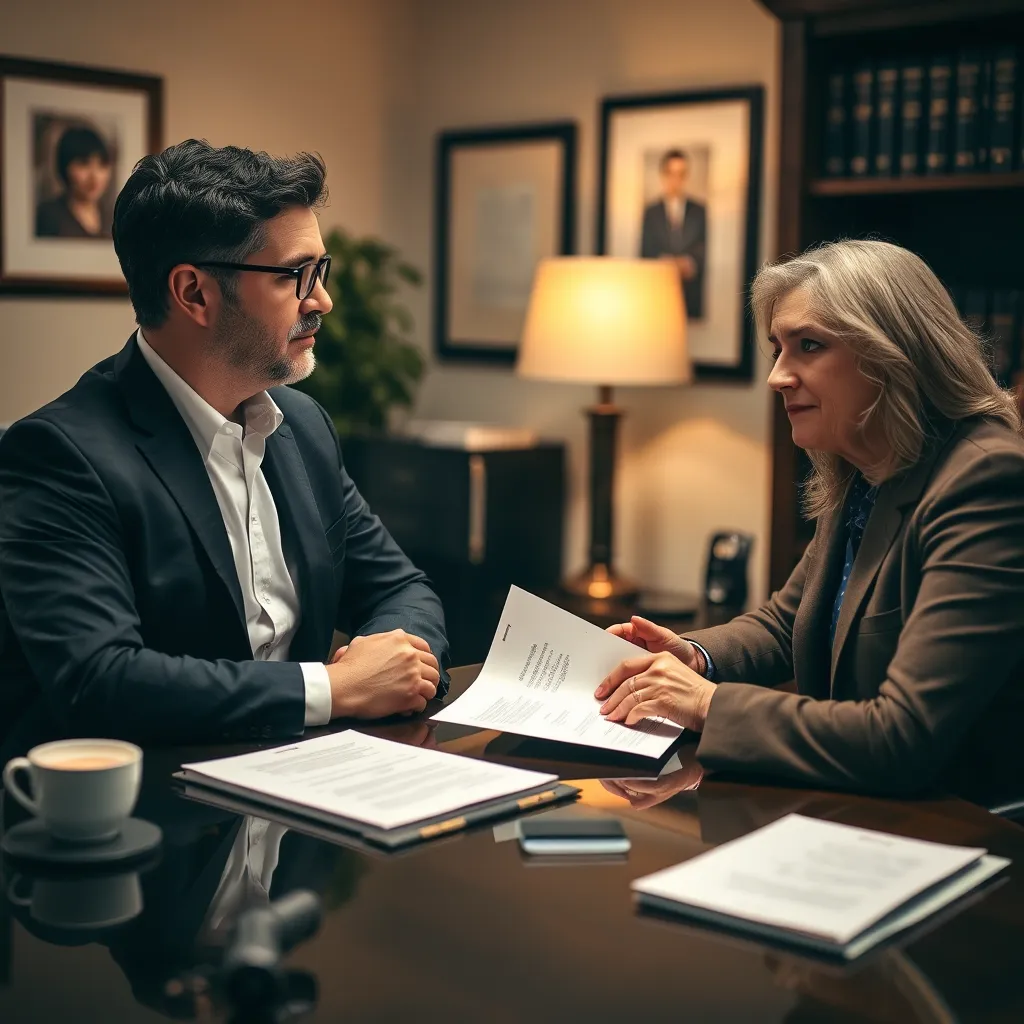
Note: This article is confirmed by Law Offices Of SRIS, P.C.
WRITTEN BY: Mr. Sris
Since 1997, Mr. Sris has led the firm, focusing on the most challenging criminal and family law cases. His background in accounting and information management aids in financial and technology-related cases. Involved in significant legislative changes in Virginia. Mr. Sris is the Founder, CEO & Principal Attorney at Law Offices Of SRIS, P.C.
Separation Agreement Lawyer Gloucester VA
What is a separation agreement
A separation agreement serves as a formal arrangement between married individuals who choose to live separately without immediately pursuing divorce. This legal document establishes clear terms for how the couple will manage their lives while apart. The agreement typically covers property division, determining which assets each spouse retains and how jointly owned property will be handled. Financial matters include spousal support arrangements, debt responsibility, and household expense allocation.
Child-related provisions form a significant portion of these agreements. Custody arrangements detail where children will primarily reside and visitation schedules for the non-custodial parent. Child support calculations follow state guidelines to ensure children’s needs are met. Educational decisions, healthcare arrangements, and extracurricular activity participation are also addressed. These provisions aim to maintain stability for children during family transitions.
Legal professionals help draft comprehensive agreements that anticipate potential issues. They ensure terms comply with Virginia law and protect both parties’ interests. The process involves full financial disclosure, negotiation of terms, and careful documentation. Once signed and notarized, the agreement becomes enforceable in court. This provides legal protection if either party violates the terms.
Separation agreements offer flexibility for couples uncertain about divorce. They allow time for reflection while establishing clear boundaries and responsibilities. Some couples use separation periods to work on marital issues with counseling. Others eventually convert the agreement to a divorce settlement. Either way, having formal terms prevents confusion and reduces conflict during separation.
Straight Talk: Separation agreements require complete financial honesty. Hidden assets or income undermine the entire process and can lead to legal consequences.
How to create a separation agreement
The first step in creating a separation agreement involves comprehensive financial disclosure. Both spouses must provide complete documentation of all assets, liabilities, income sources, and expenses. This includes bank statements, investment accounts, retirement funds, real estate documents, loan statements, and tax returns. Full transparency establishes a foundation for fair negotiations and prevents future challenges based on hidden information.
Once financial information is exchanged, negotiations begin regarding key terms. Property division discussions determine how marital assets will be allocated. Virginia follows equitable distribution principles, meaning fair rather than equal division. Factors include each spouse’s contributions, the marriage duration, and economic circumstances. Separate property acquired before marriage or through inheritance typically remains with the original owner.
Support arrangements require careful consideration of each spouse’s financial needs and capabilities. Spousal support calculations consider income disparity, earning capacity, marriage length, and standard of living. Child support follows Virginia guidelines based on parental incomes, custody arrangements, and children’s needs. These calculations ensure children maintain reasonable living standards consistent with parental resources.
Child custody and visitation terms focus on children’s best interests. Physical custody arrangements determine where children reside, while legal custody involves decision-making authority. Visitation schedules should be specific regarding timing, holidays, vacations, and transportation. Provisions for future modifications accommodate children’s changing needs as they grow older.
After terms are negotiated, attorneys draft the formal agreement. This document should be clear, comprehensive, and legally precise. Both parties review the draft with their respective counsel to ensure understanding and accuracy. Necessary revisions address any concerns before finalization. The completed agreement requires signatures with notarization to become legally binding.
Reality Check: DIY agreements often miss important legal requirements. Professional drafting prevents enforcement issues and ensures compliance with Virginia law.
Can I modify a separation agreement
Modification possibilities depend on the agreement’s terms and Virginia law. Some agreements include specific provisions for modification under certain conditions. Others may require court intervention for changes. The most common modifications involve child-related matters, as children’s needs evolve over time. Support amounts may need adjustment due to income changes, job loss, or increased expenses.
Mutual consent modifications occur when both parties agree to changes. This approach typically involves drafting an amendment to the original agreement. Both spouses sign the amendment with notarization, making it legally binding. This method works well for cooperative relationships and relatively straightforward changes. It avoids court involvement and associated costs while allowing flexibility.
Court-ordered modifications become necessary when spouses disagree about changes. The requesting party must demonstrate substantial change in circumstances justifying modification. For child support, this might include significant income change, medical needs, or educational expenses. Custody modifications require showing the change serves children’s best interests. Courts generally hesitate to modify property division terms once established.
Spousal support modifications consider changes in financial circumstances for either party. Income increases or decreases, remarriage, cohabitation, or retirement may justify adjustments. The original agreement’s terms influence what changes are permissible. Some agreements specify support as non-modifiable, while others allow review under certain conditions.
Legal professionals help determine modification feasibility and appropriate approaches. They assess whether circumstances justify changes and recommend negotiation or litigation strategies. Proper documentation of changed circumstances strengthens modification requests. Court filings must comply with procedural requirements and evidentiary standards.
Blunt Truth: Modification requests require solid evidence of changed circumstances. Vague claims without documentation rarely succeed in court.
Why hire legal help for separation agreements
Professional legal assistance provides vital protection during separation agreement processes. Attorneys understand Virginia’s specific legal requirements and can ensure documents comply with state law. They identify potential issues that might not be apparent to individuals without legal training. This foresight prevents problems that could arise months or years after agreement execution.
Legal representation helps achieve balanced negotiations. Attorneys advocate for their clients’ interests while maintaining realistic expectations. They explain legal standards and typical outcomes, helping clients make informed decisions. This guidance prevents agreements that unfairly disadvantage one party or contain unenforceable provisions. Balanced agreements are more likely to be followed voluntarily, reducing future conflict.
Drafting precision matters significantly for separation agreements. Legal professionals use precise language that clearly defines rights and responsibilities. They include necessary provisions that might be overlooked in DIY documents. Proper drafting ensures terms are enforceable in court if disputes arise. This protection becomes valuable if one party fails to comply with agreement terms.
Attorneys handle procedural requirements efficiently. They ensure proper financial disclosure, document preparation, and execution formalities. This includes notarization, witness requirements, and filing procedures if court approval is needed. Proper procedure prevents challenges to agreement validity based on technical deficiencies.
Future modification considerations benefit from initial legal guidance. Attorneys can include provisions that allow reasonable adjustments as circumstances change. They explain modification processes and requirements, preparing clients for potential future needs. This forward-thinking approach creates agreements that remain workable over time.
Reality Check: Legal fees represent an investment in protection. Inadequate agreements often lead to costly litigation that far exceeds initial legal expenses.
FAQ:
What does a separation agreement cover?
These agreements address property division, spousal support, child custody, visitation schedules, child support, debt responsibility, and other marital matters during separation.
How long does a separation agreement last?
Separation agreements remain in effect until modified by mutual consent or court order, or until incorporated into a divorce decree if the marriage ends.
Is a separation agreement legally binding?
Properly drafted and executed separation agreements are legally binding contracts enforceable in Virginia courts if terms are violated.
Can I create my own separation agreement?
While possible, DIY agreements often miss important legal requirements. Professional drafting ensures enforceability and proper protection.
What happens if my spouse violates the agreement?
Violations can be addressed through legal action. Courts can enforce terms and potentially award damages for non-compliance.
Does separation lead to automatic divorce?
No, separation does not automatically cause divorce. Couples must file for divorce separately if they choose to end the marriage.
How much does a separation agreement cost?
Costs vary based on challenge and whether both parties have attorneys. Professional drafting typically costs less than litigation over inadequate agreements.
Can separation agreements be changed?
Yes, agreements can be modified through mutual consent or court order when circumstances change significantly.
What if we reconcile after signing?
Couples can revoke separation agreements through written revocation. The original agreement becomes void if both parties agree to reconciliation.
Do we need separate attorneys?
Each spouse should have independent legal counsel to ensure proper representation and avoid conflicts of interest.
How does separation affect taxes?
Separation may change filing status and deductions. Consult a tax professional for specific advice about your situation.
What if we own a business together?
Business interests require special consideration in separation agreements. Professional valuation and clear operational terms are essential.
Past results do not predict future outcomes