
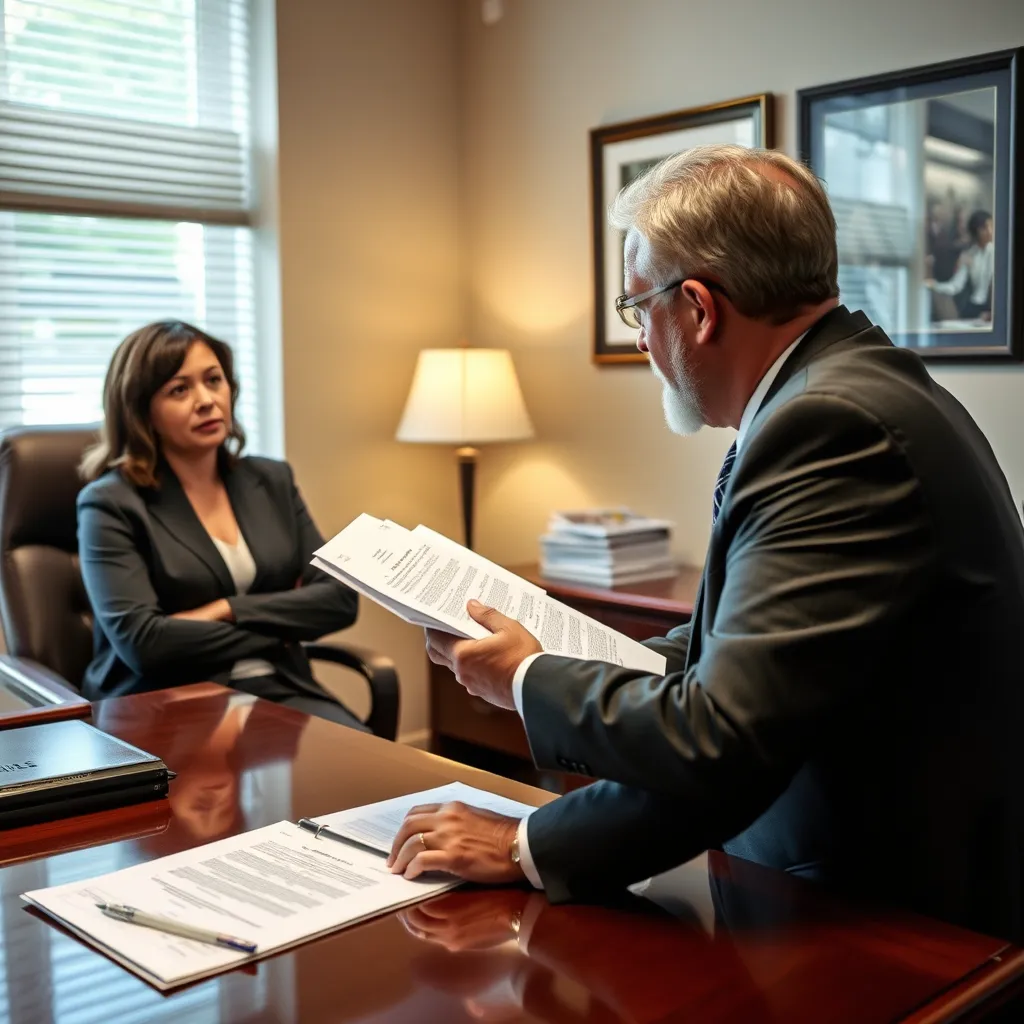
Supervised Visitation Lawyer Poquoson, VA
Supervised visitation arrangements in Poquoson, Virginia arise when a court determines that a parent’s time with a child must be monitored by a neutral third party for the child’s safety. These orders are entered by the Poquoson Juvenile and Domestic Relations District Court in custody and visitation cases, or as part of a divorce proceeding in the Poquoson Circuit Court. If you are facing a request for supervised visitation or need to modify an existing order, an experienced family law attorney can help you understand how Virginia’s visitation laws apply to your situation. Law Offices Of SRIS, P.C. represents parents in supervised visitation matters in Poquoson. Reach Law Offices Of SRIS, P.C. at (888) 437-7747 to schedule a consultation. Law Offices Of SRIS, P.C. — Advocacy Without Borders.
What Supervised Visitation Means in Poquoson, Virginia
Supervised visitation is a court‑ordered arrangement in which a parent’s parenting time occurs in the presence of a supervisor—often a family member, social worker, or professional monitor—rather than alone. Under Virginia law, the court may require supervised visitation when it finds that unsupervised contact would endanger the child’s physical, mental, or emotional well‑being. The Poquoson Juvenile and Domestic Relations District Court handles standalone custody and visitation proceedings, while the Poquoson Circuit Court (500 City Hall Avenue, Poquoson, VA 23662) addresses visitation within divorce and equitable distribution cases. Both courts apply the trusted‑interests‑of‑the‑child standard set out in Va. Code § 20‑124.3, considering ten statutory factors that include any history of family abuse, the child’s relationship with each parent, and the parent’s ability to support the child’s relationship with the other parent.
Because Poquoson is a small, bayside community within Hampton Roads, family law matters are heard in one judicial circuit with familiar court procedures. Supervised visitation orders may be temporary—for example, during the pendency of a custody dispute—or may be made permanent if the court finds ongoing risk. In all cases, an experienced lawyer can evaluate whether the facts support a less restrictive arrangement and can advocate for a schedule that preserves the parent‑child bond while addressing the court’s concerns. Law Offices Of SRIS, P.C. Appears in the Poquoson courts for supervised visitation hearings and works toward resolutions that serve the child’s interests.
How Mr. Sris and His Of Counsel Handle Supervised Visitation Cases
Mr. Sris and his Of Counsel approach each supervised visitation matter by first gathering a clear picture of the family’s circumstances and the basis for the supervision request. They review the allegations that led to the court’s involvement, identify any gaps in the evidence, and explain to the client what the court considers when deciding whether supervision is required. The team then develops a strategy that may include negotiating a modified plan with the other parent or presenting evidence at a hearing to show that unsupervised visitation can be conducted safely.
When a matter goes to court, Mr. Sris and his Of Counsel are prepared to examine the supervisor’s qualifications, challenge unreliable claims, and highlight the parent’s stability and commitment to the child. They also assist parents who seek to lift an existing supervised visitation order by demonstrating a change in circumstances that justifies a less restrictive schedule. Throughout the process, the attorneys keep the focus on the child’s safety while working to protect the parent’s rights. For further information, call (888) 437-7747.
About Mr. Sris and His Of Counsel Team
Mr. Sris, Owner and Founder of Law Offices Of SRIS, P.C., founded the firm in 1997. He is a former prosecutor and practices in family law, immigration, criminal defense, and other areas across five jurisdictions. His background as a prosecutor gives him insight into how evidence is weighed and how courts evaluate credibility—skills that apply directly to supervised visitation hearings. He is admitted in Virginia, Maryland, the District of Columbia, New Jersey, and New York.
Mr. Sris and his Of Counsel bring over 120 years of combined legal experience between them, and they have documented more than 4,739 case results across all practice areas since 1997. Results may vary. The Of Counsel team includes experienced attorneys who support the firm’s family law practice under Mr. Sris’s direction. Each supervised visitation matter receives careful attention from the attorney handling the case.
Frequently Asked Questions
What is supervised visitation in Virginia?
Supervised visitation is a court‑ordered parenting‑time arrangement in which a parent’s visits with a child are monitored by a neutral third party. Virginia courts may impose supervision when they find that unsupervised contact could endanger the child’s health, safety, or welfare, based on factors like a history of abuse, neglect, or substance use. The visitation order spells out who will supervise, where visits occur, and any other conditions the court deems necessary to protect the child.
When does a Poquoson court order supervised visitation?
A Poquoson court will consider supervised visitation when evidence suggests that a child would be at risk during unsupervised parenting time. This may happen when allegations of domestic violence, substance abuse, mental health instability, or a parent’s absence from the child’s life are raised. The Poquoson Juvenile and Domestic Relations District Court or Poquoson Circuit Court reviews the facts under the ten best‑interests factors in Va. Code § 20‑124.3 and decides whether supervision is necessary to keep the child safe while maintaining the parent‑child relationship.
How does a Virginia lawyer handle a supervised visitation case?
An experienced family law attorney begins by understanding the reasons the court or the other parent is requesting supervision. The lawyer gathers evidence—witness statements, records, or expert evaluations—that may show supervision is not required or that a less restrictive alternative protects the child. In court, the attorney cross‑examines the supervisor, challenges unsupported allegations, and presents the client’s parenting history to advocate for an arrangement that preserves the family bond while addressing the court’s concerns.
Can a supervised visitation order be modified in Poquoson?
Yes. A parent may ask the court to modify or lift a supervised visitation order by showing a material change in circumstances. Examples include completing a substance‑abuse program, receiving a favorable psychological evaluation, or demonstrating a sustained period of stable behavior. The court will reassess the child’s best interests and decide whether unsupervised visits can resume. A family law attorney can help prepare the motion and present the evidence that supports the change.
Do I need a lawyer for a supervised visitation hearing in Poquoson?
You are not required to have a lawyer, but supervised visitation determinations often involve complex factual disputes and evidentiary standards that are difficult to navigate without legal experience. An attorney can help you understand the law, present your side effectively, and work toward a visitation schedule that is both safe for your child and supportive of your parental role. To discuss your specific case, call Law Offices Of SRIS, P.C. at (888) 437-7747.
Virginia family law resources: Fairfax County Family Law Lawyer · Fairfax City Family Law Lawyer · Prince William County Family Law Lawyer · Manassas Family Law Lawyer
Attorney advertising. Prior results do not guarantee a similar outcome. Results may vary.
Case results depend on a variety of factors unique to each case.